Welcome to Year 4

Mrs. Kayley

Mrs. Holden
Our curriculum overview:
Click the term tab below to see our planned learning…
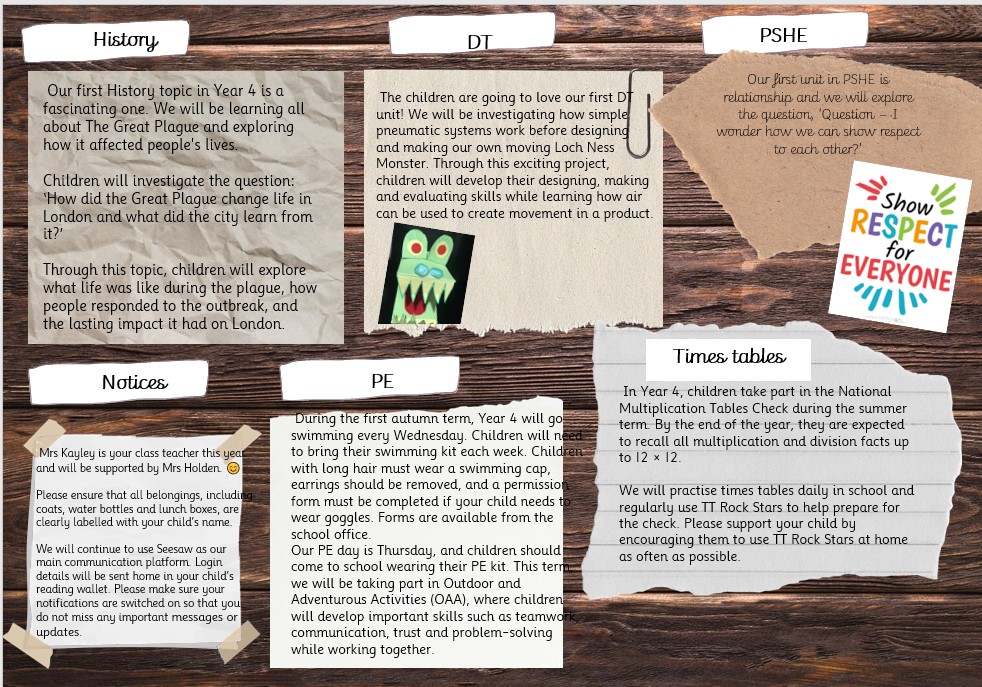

History – We are epidemiologists!
‘ A person who studies or is an expert in the branch of medicine which deals with the incidence, distribution, and possible control of diseases:’
This half term, we are in the role of epidemiologists. We dressed as doctors from the plague and discussed the job role of an epidemiologist. We are so excited to learn even more about them as we get further into our unit and learn more about the plague and covid.
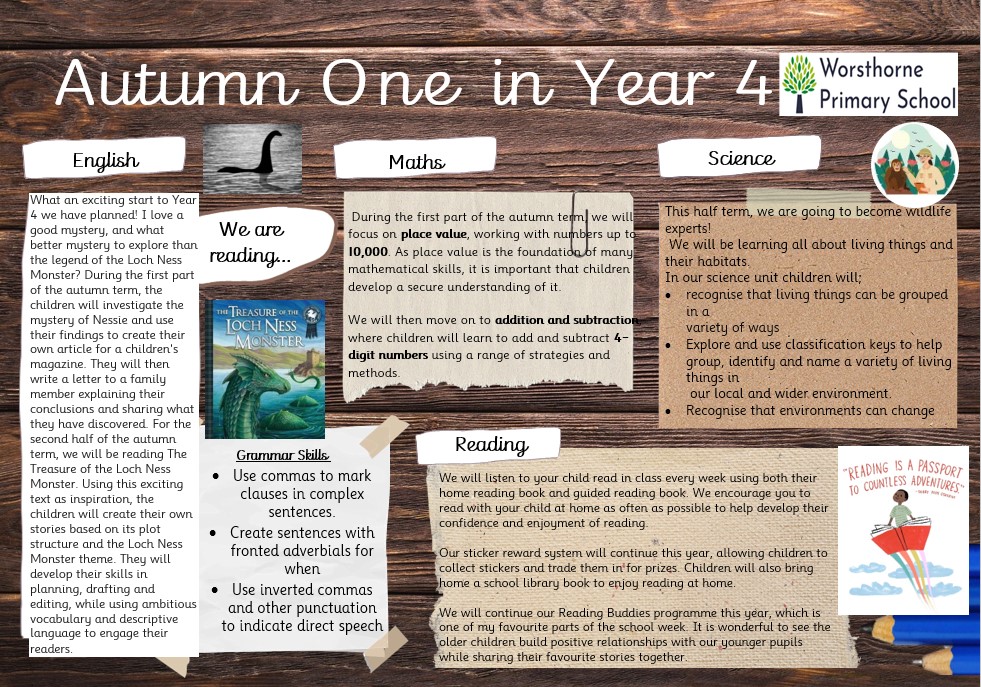
English
“I wonder if the Loch Ness Monster is real?”
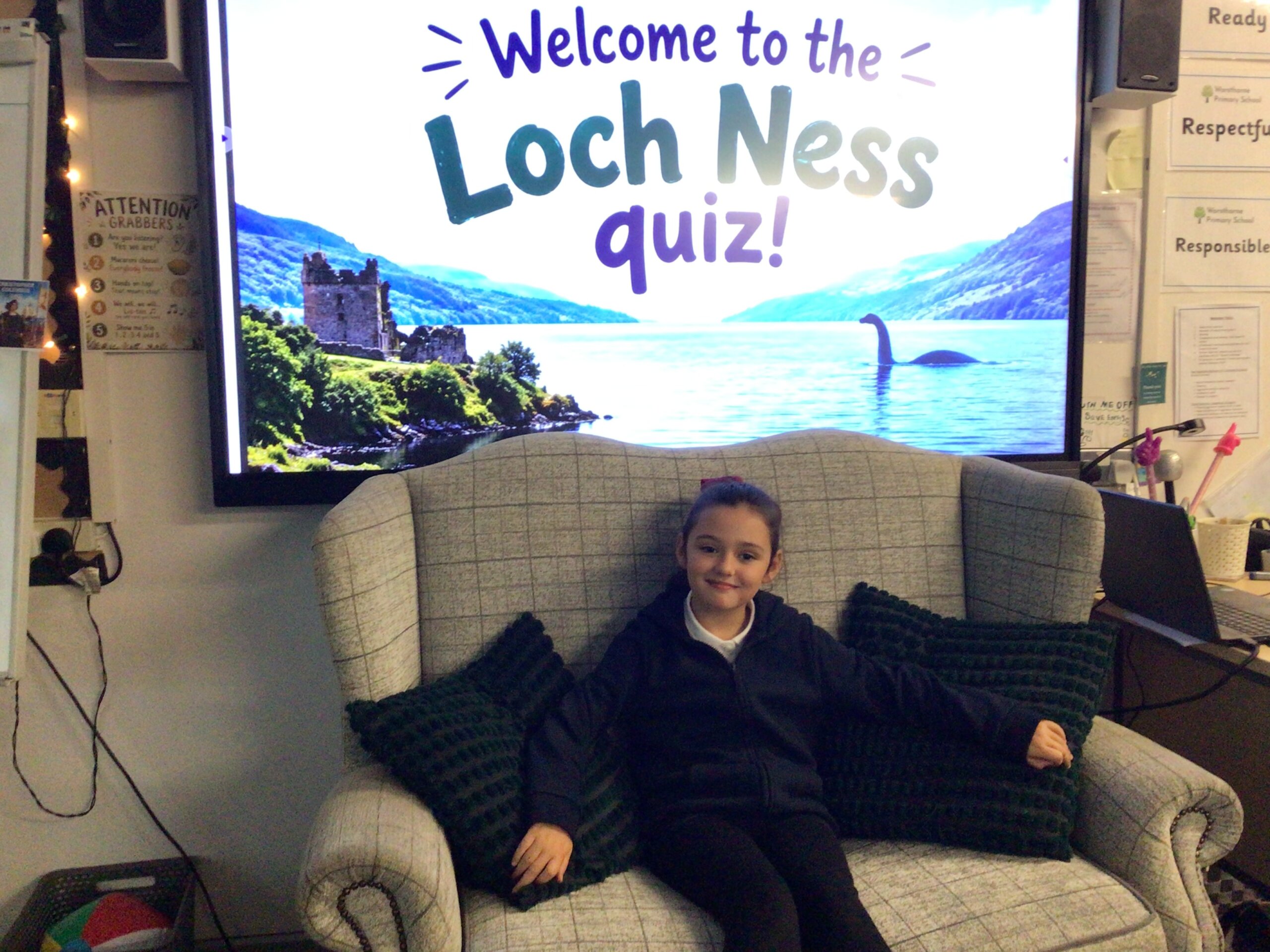
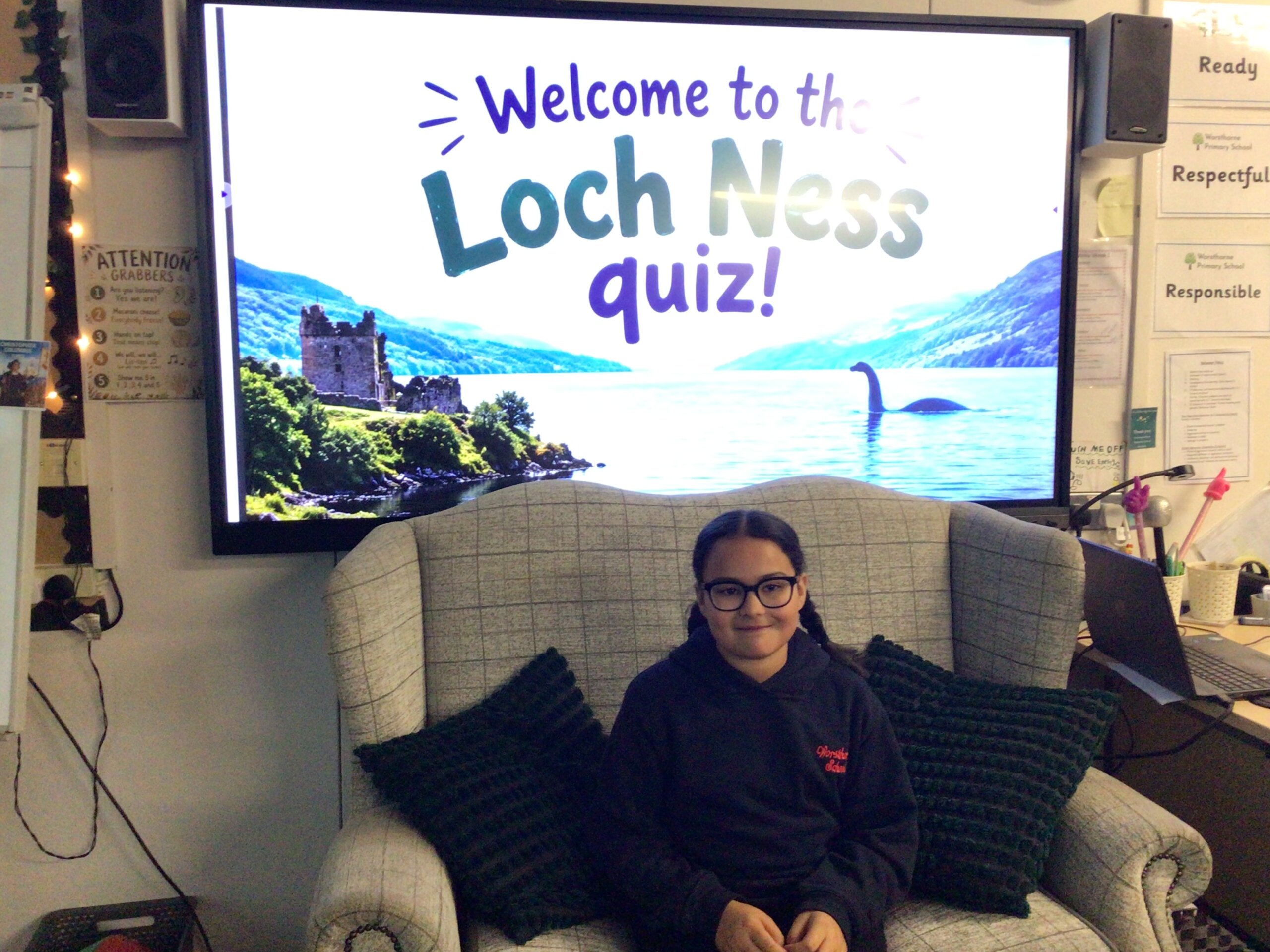
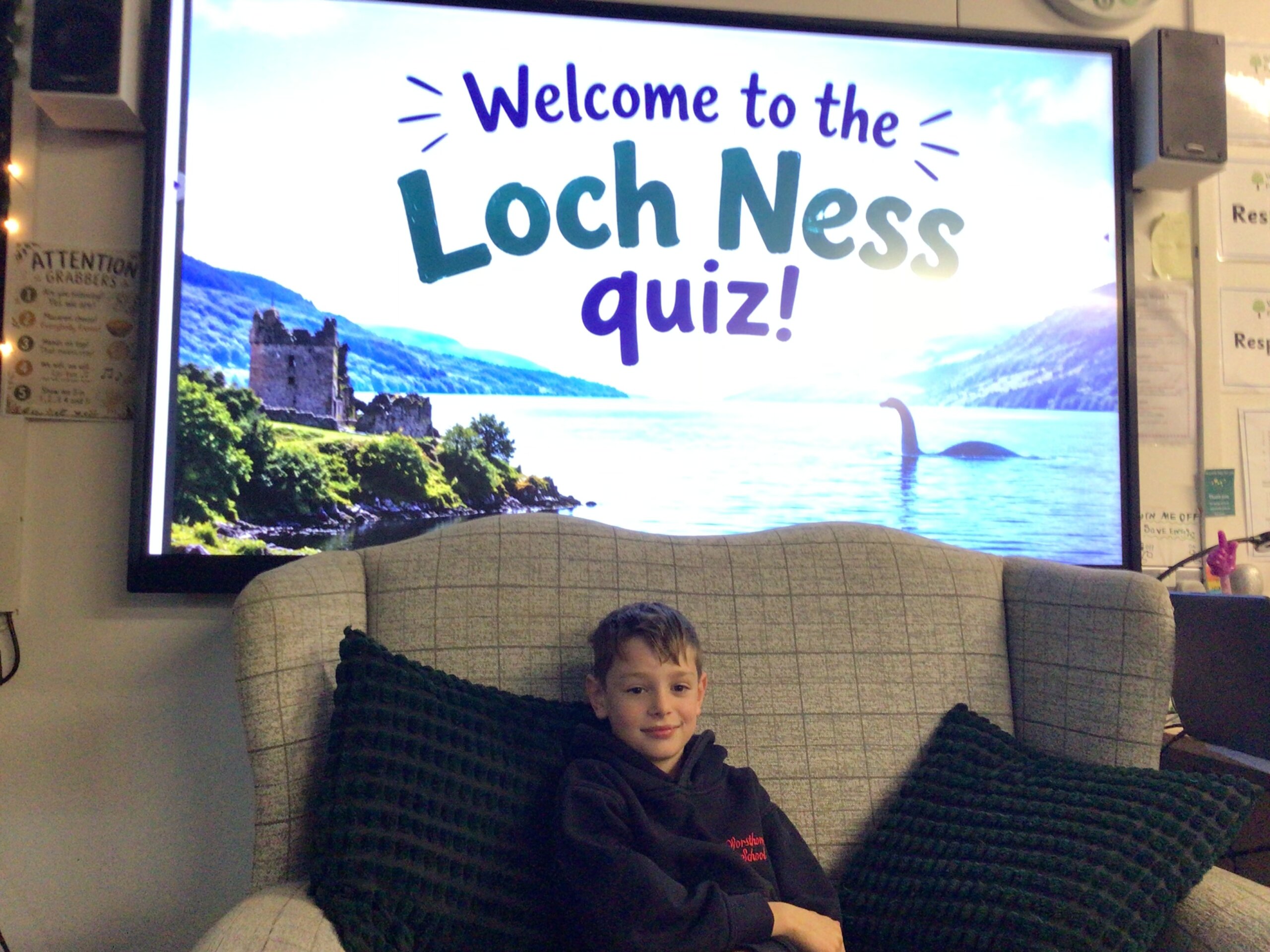
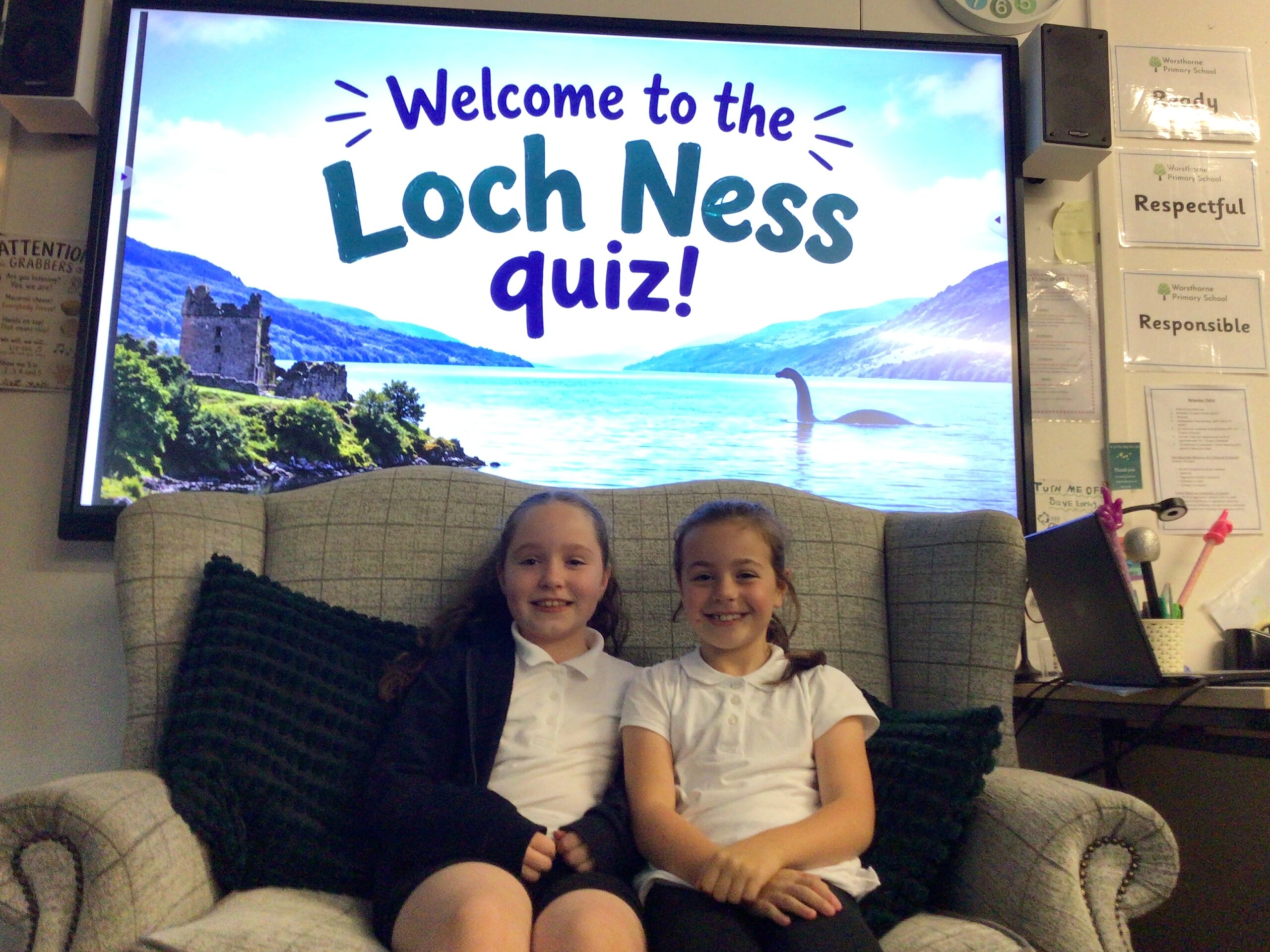
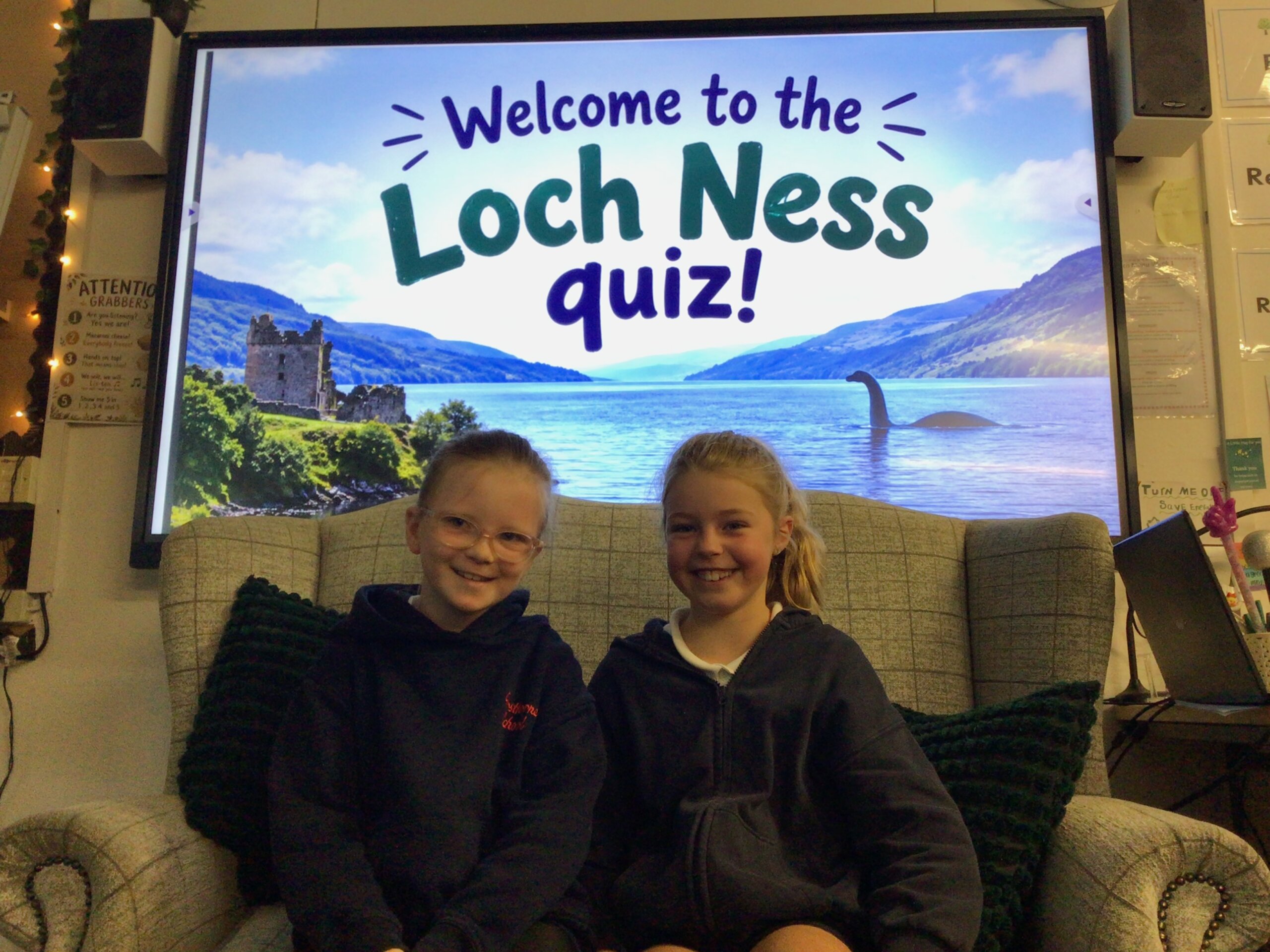
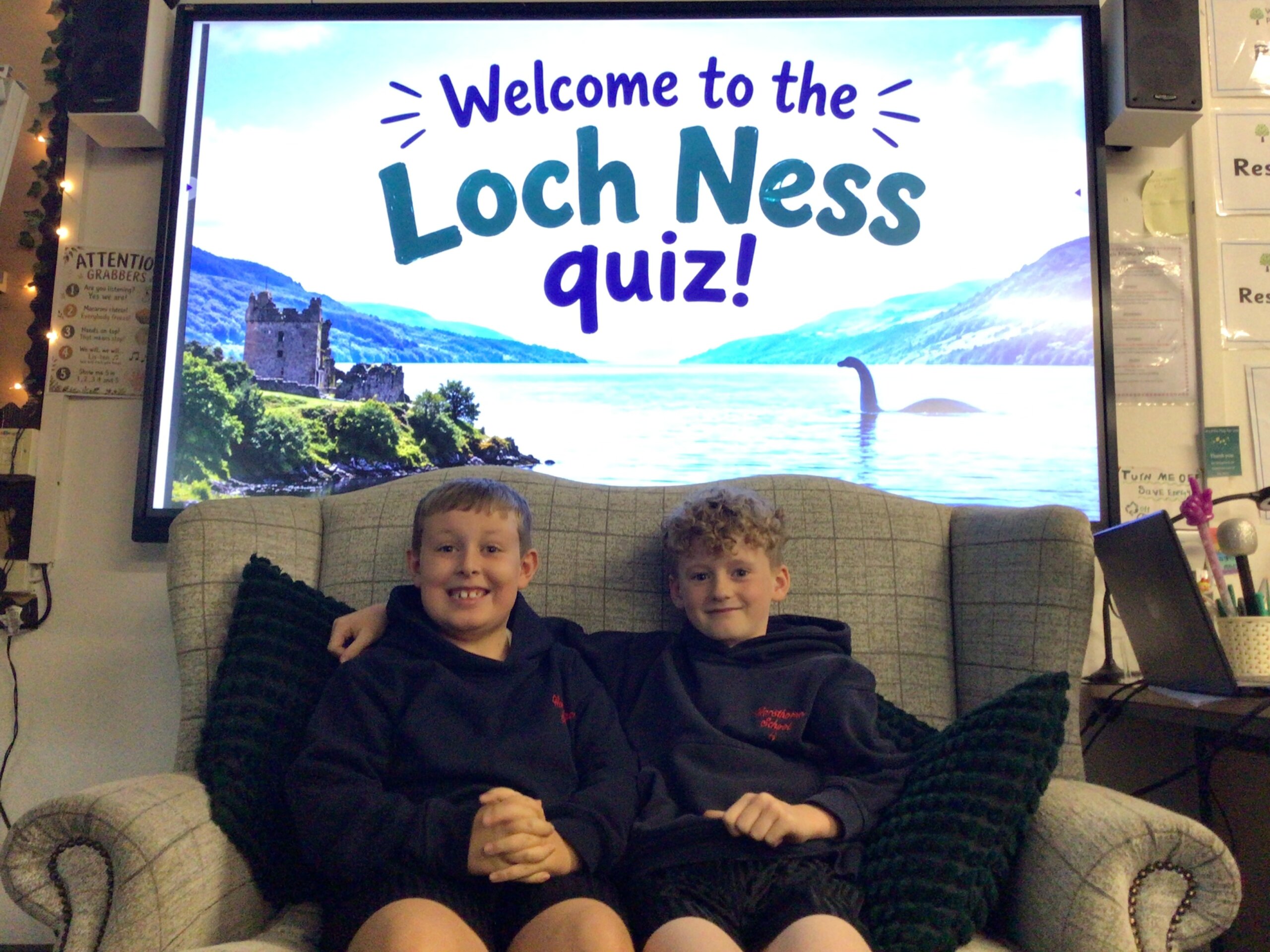
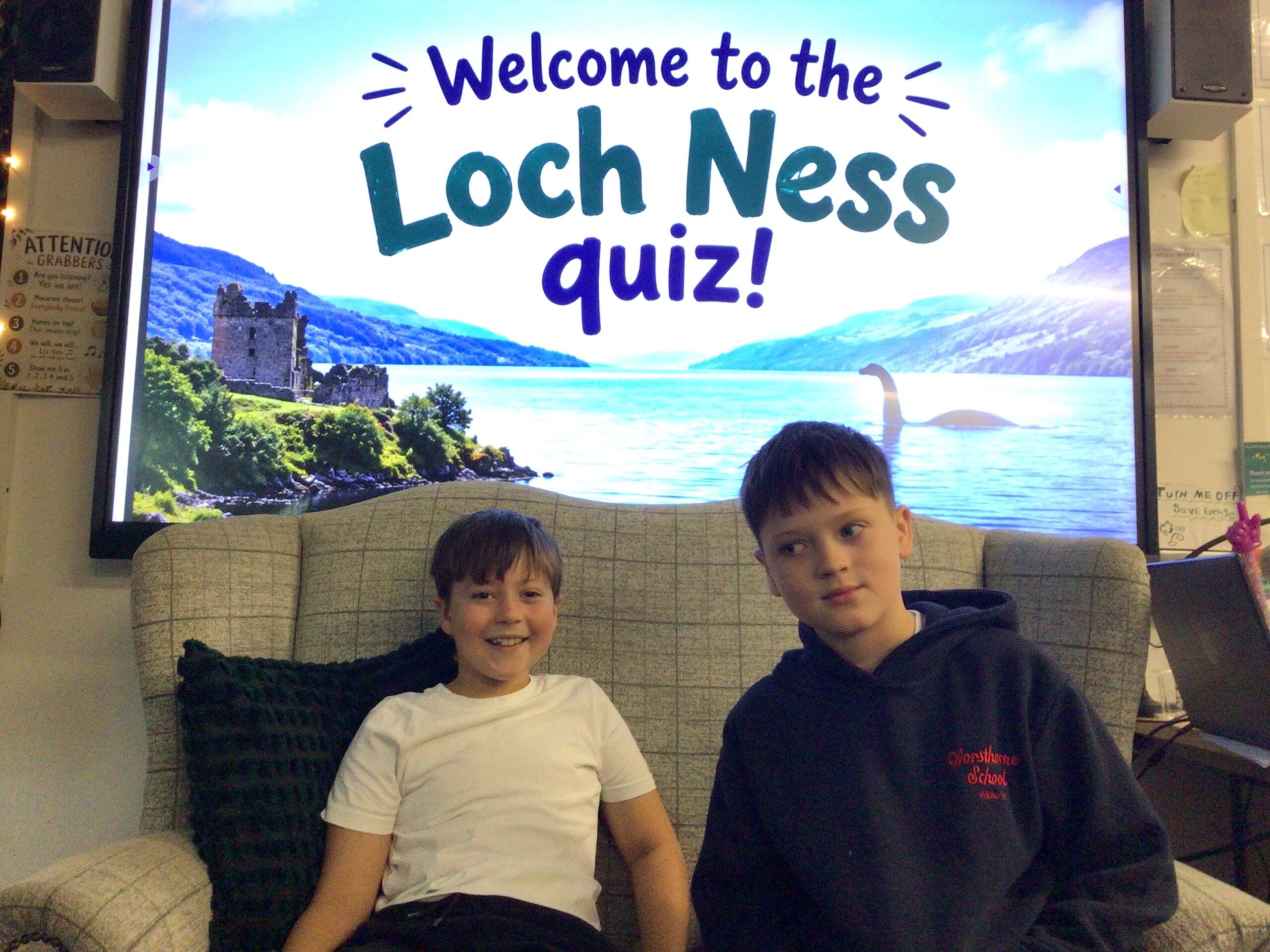
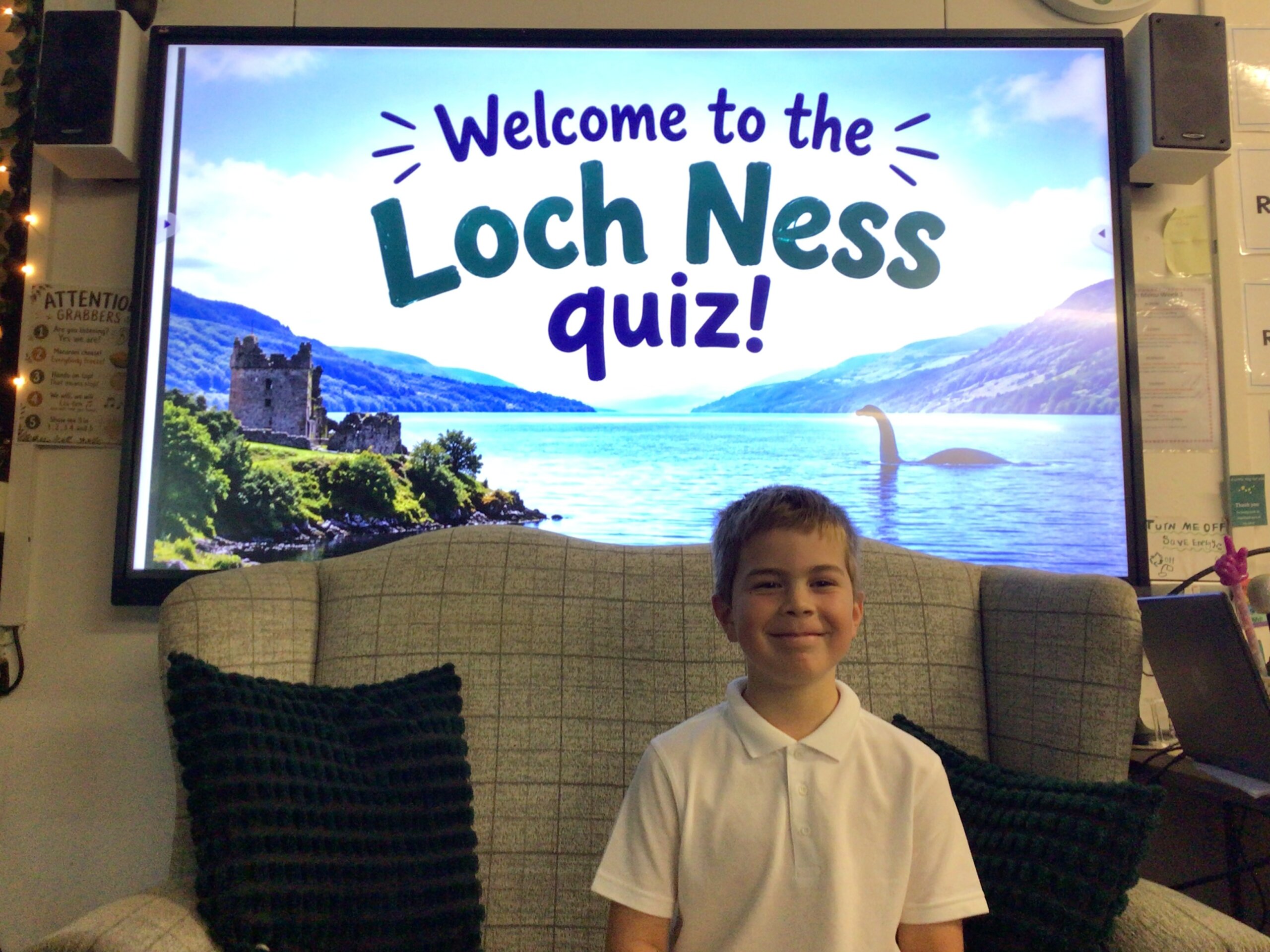
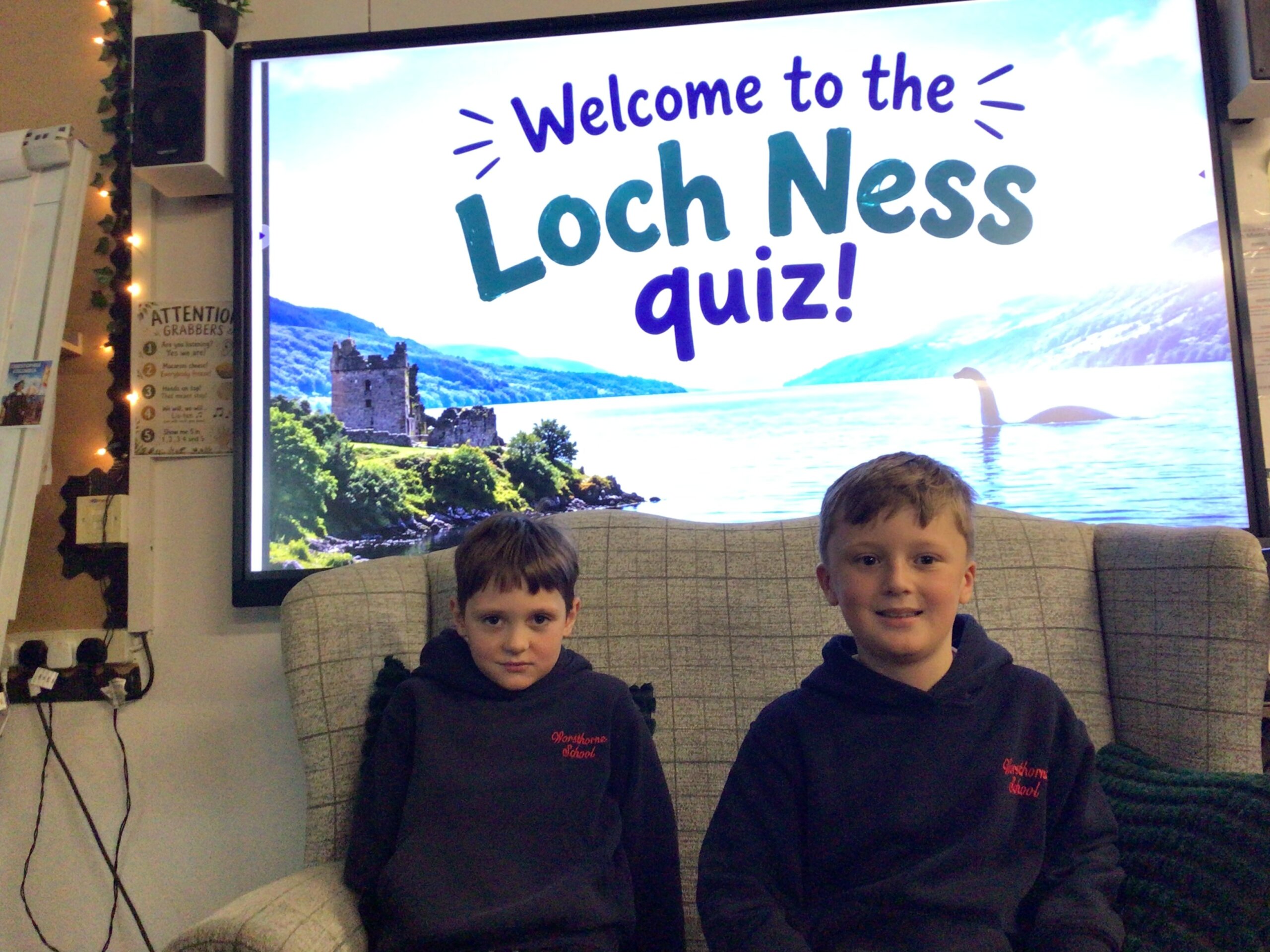
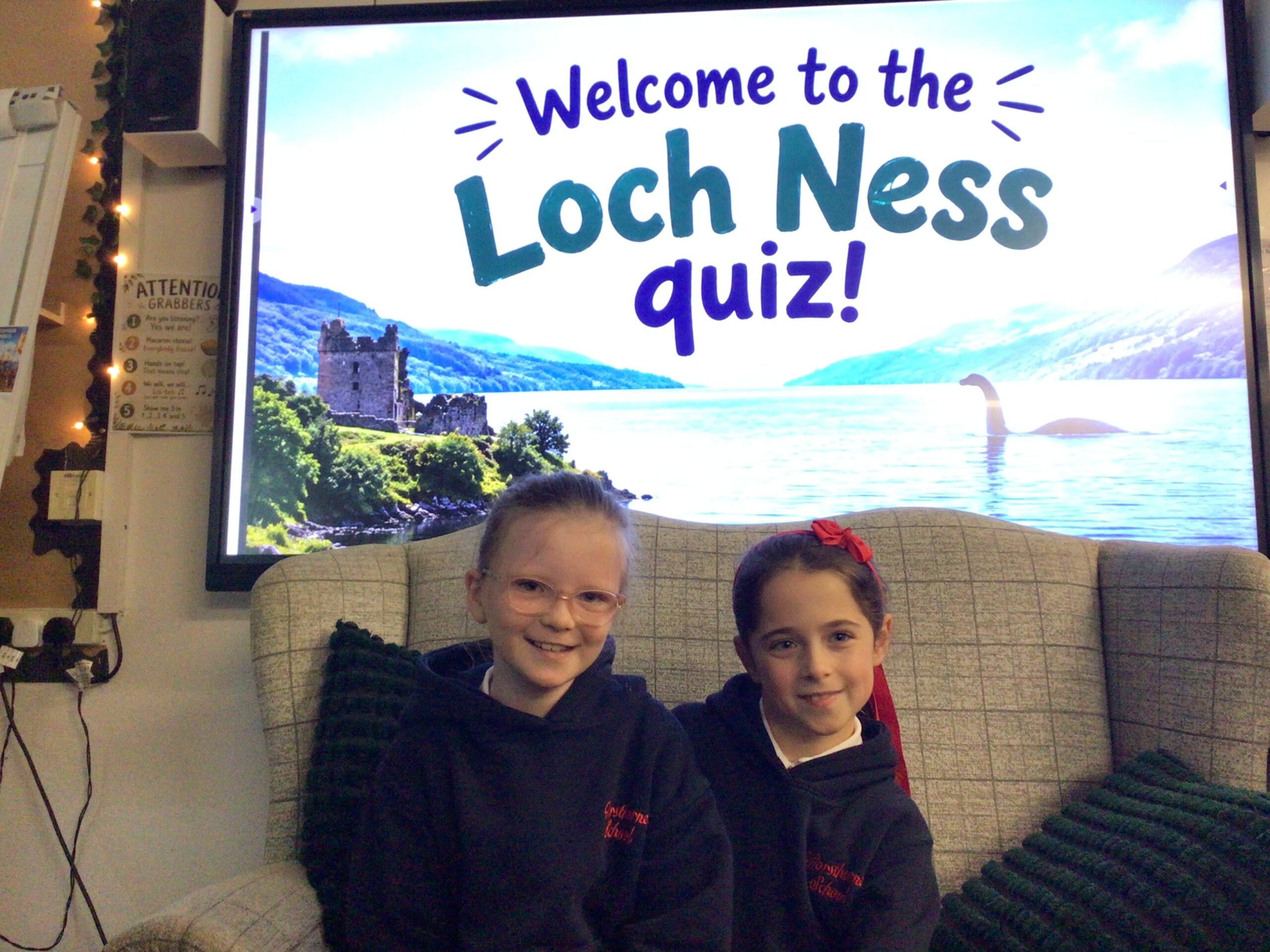
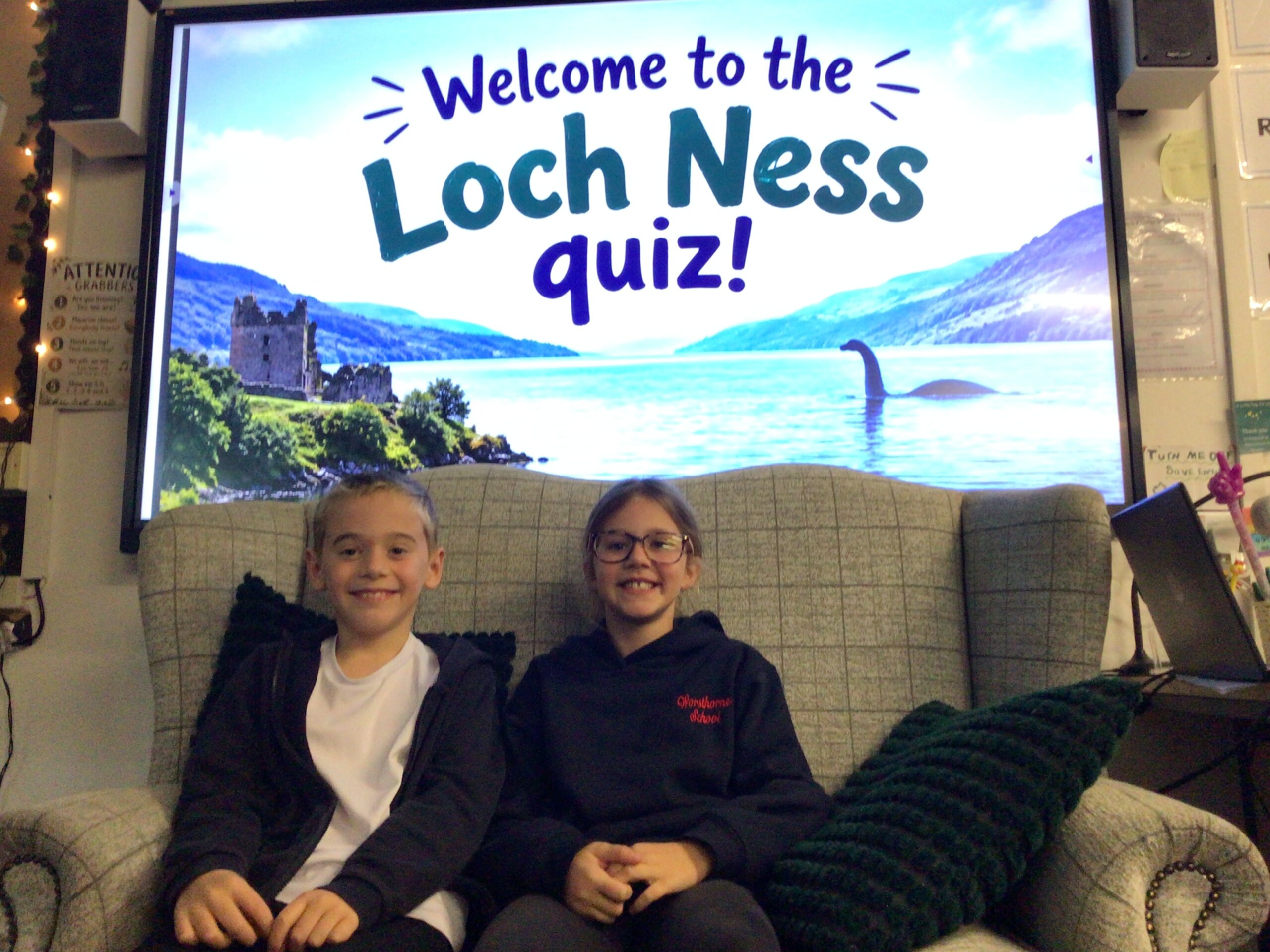
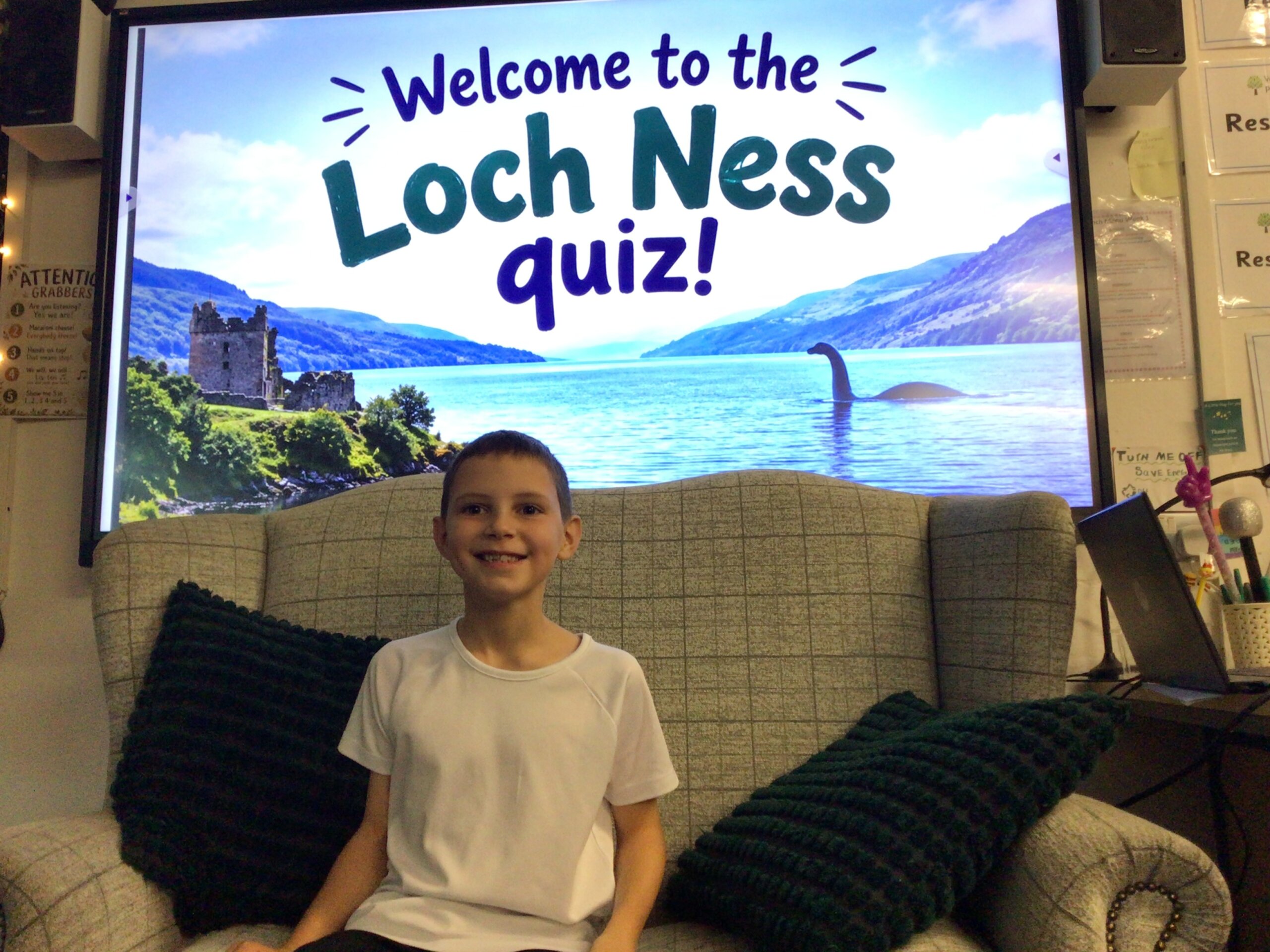
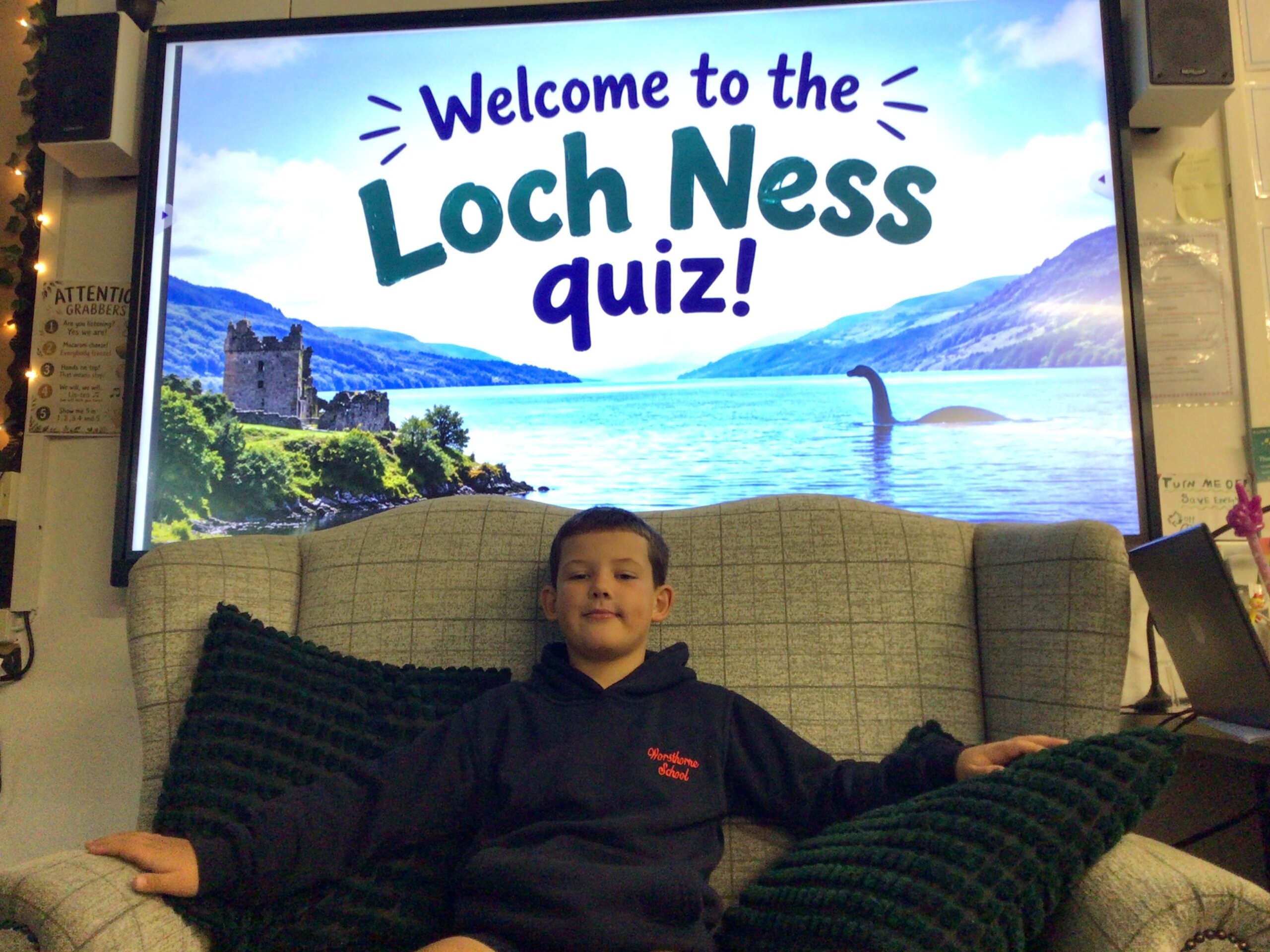
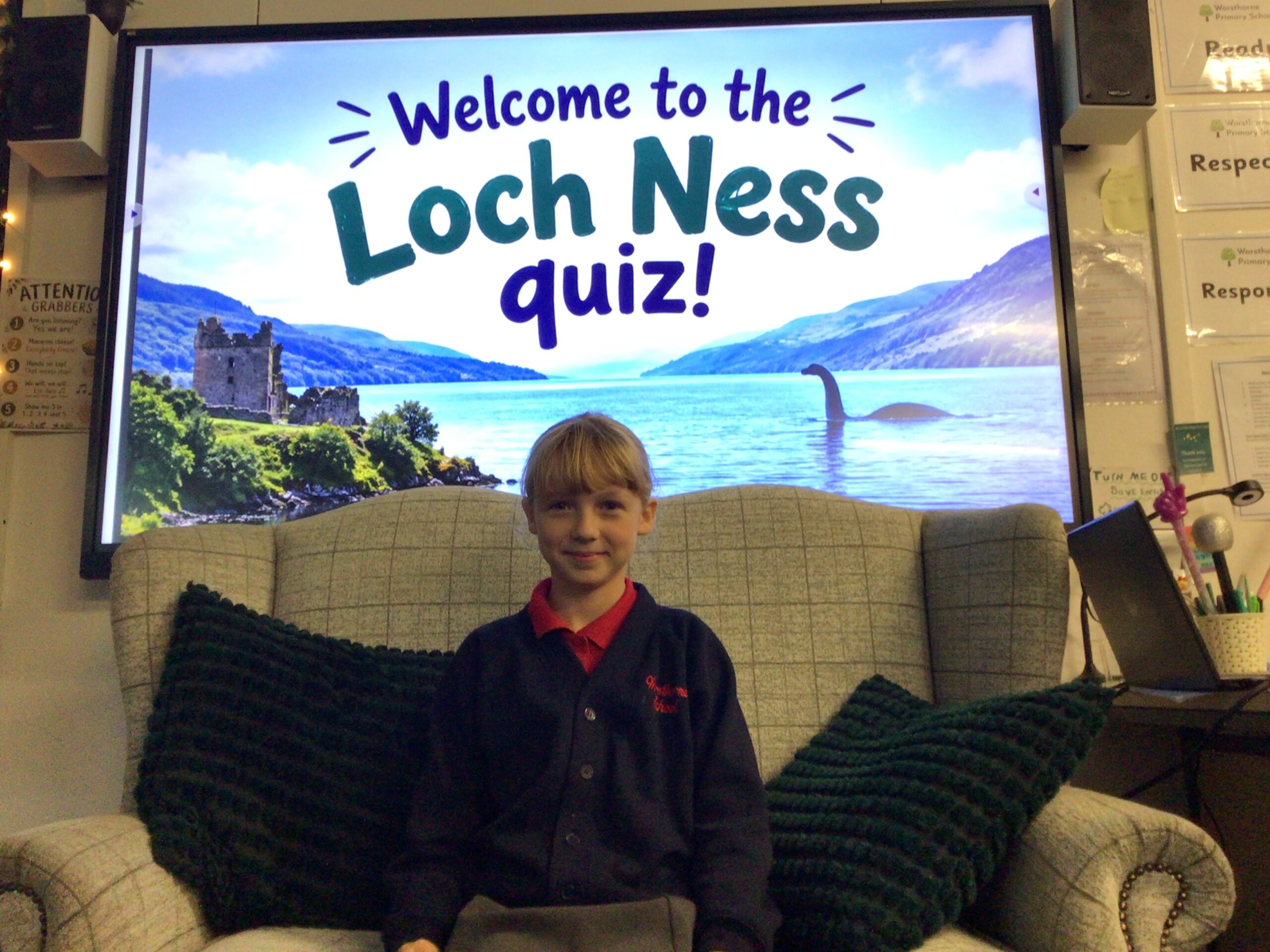
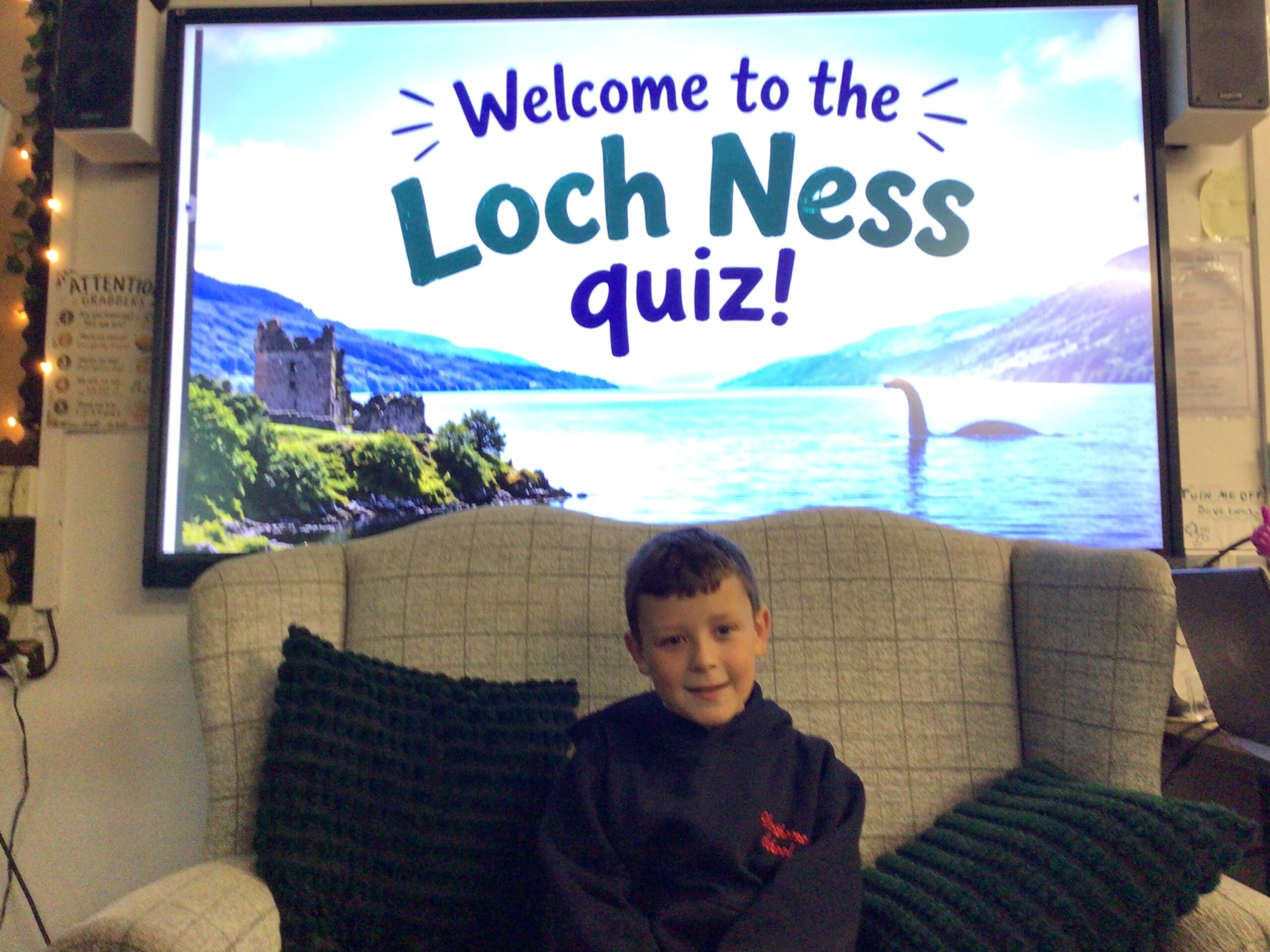
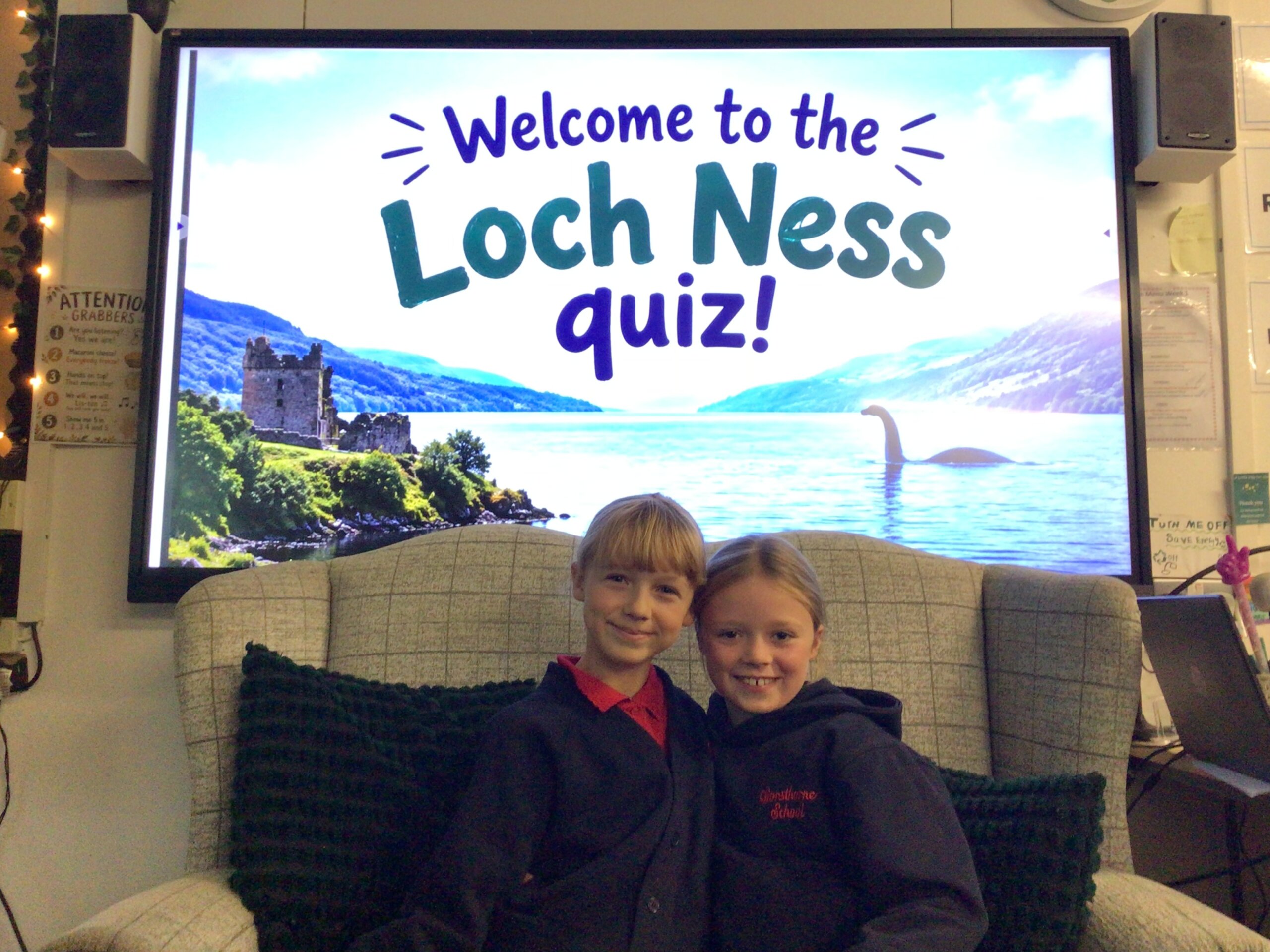
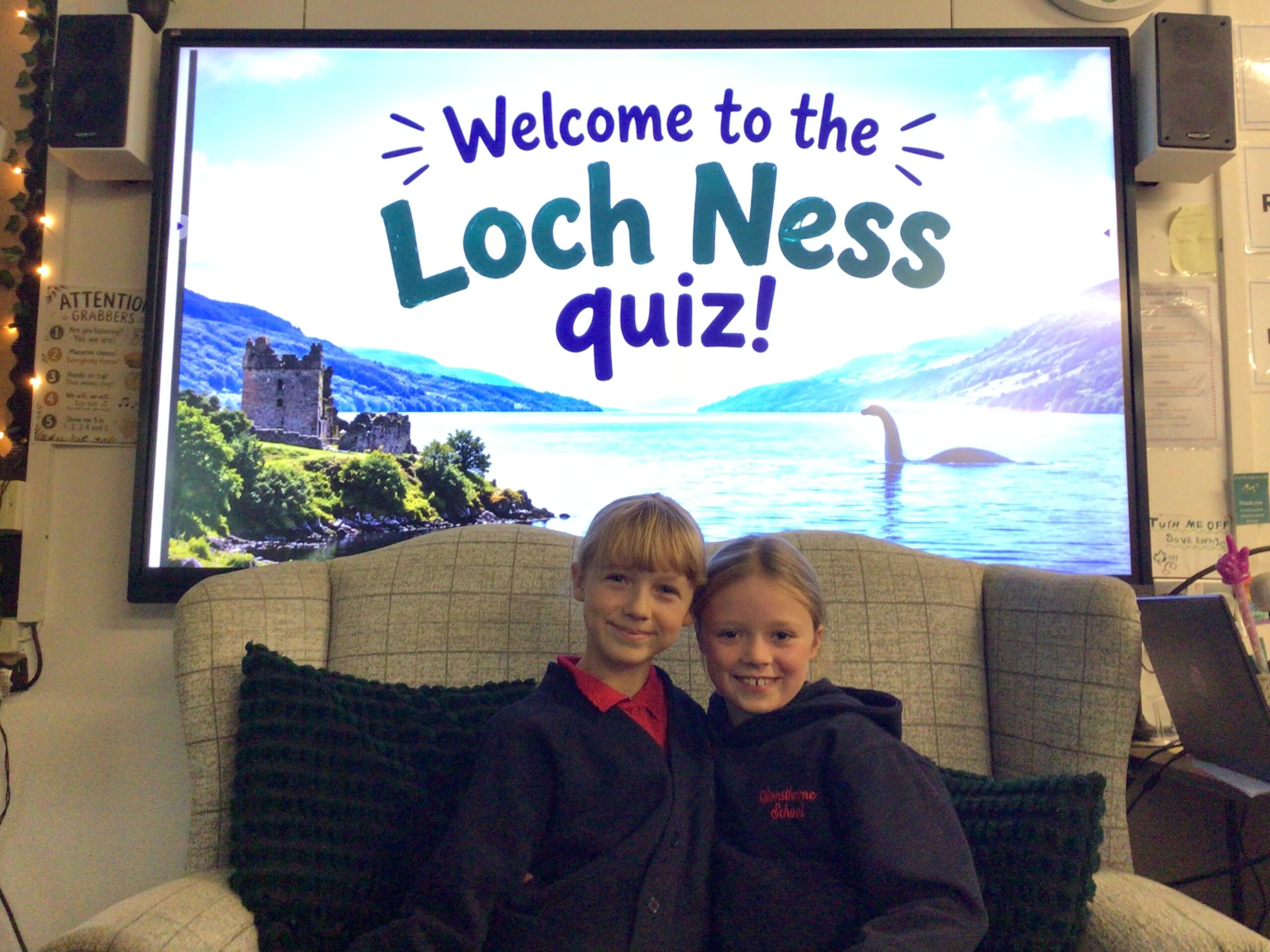
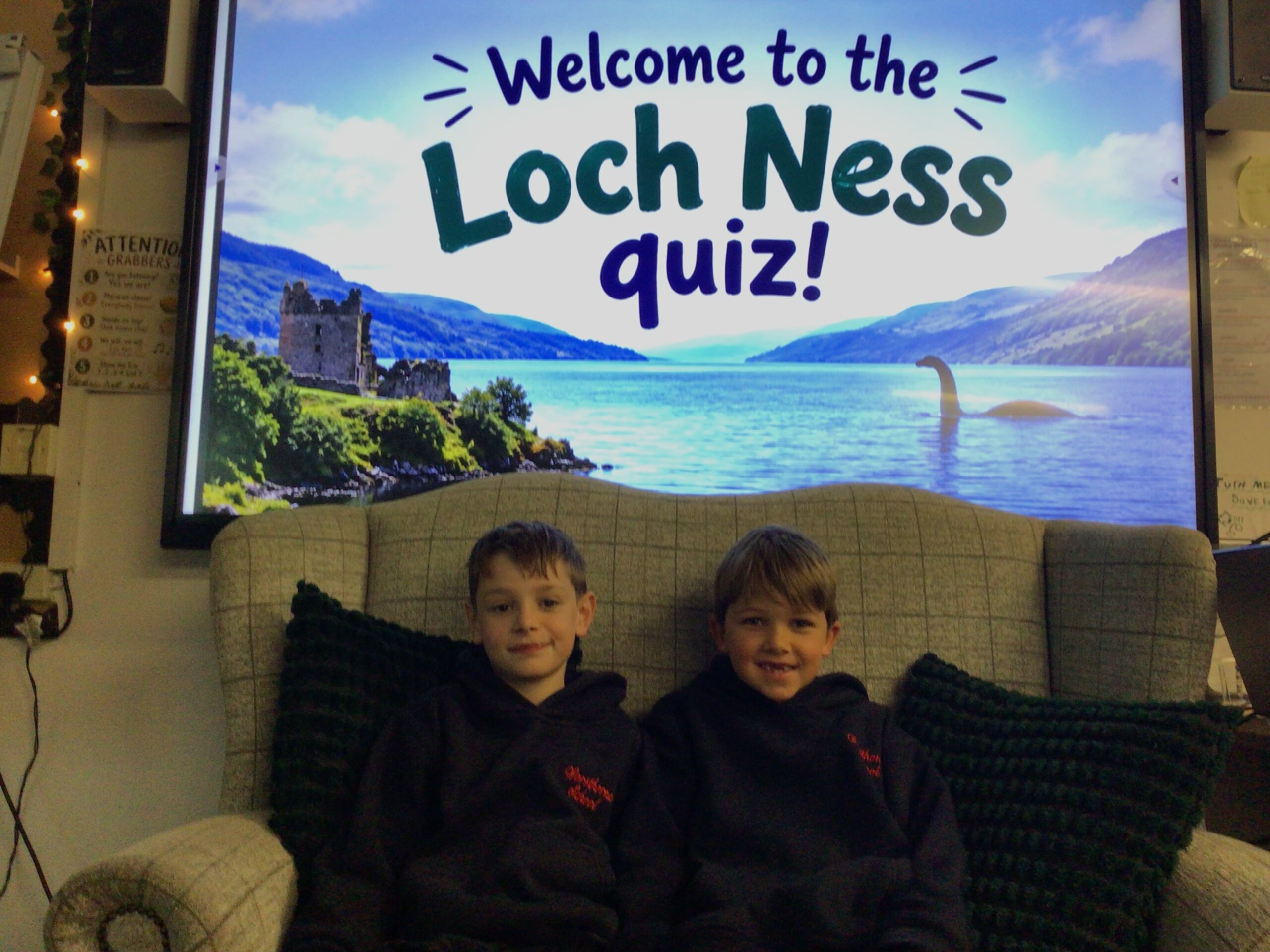
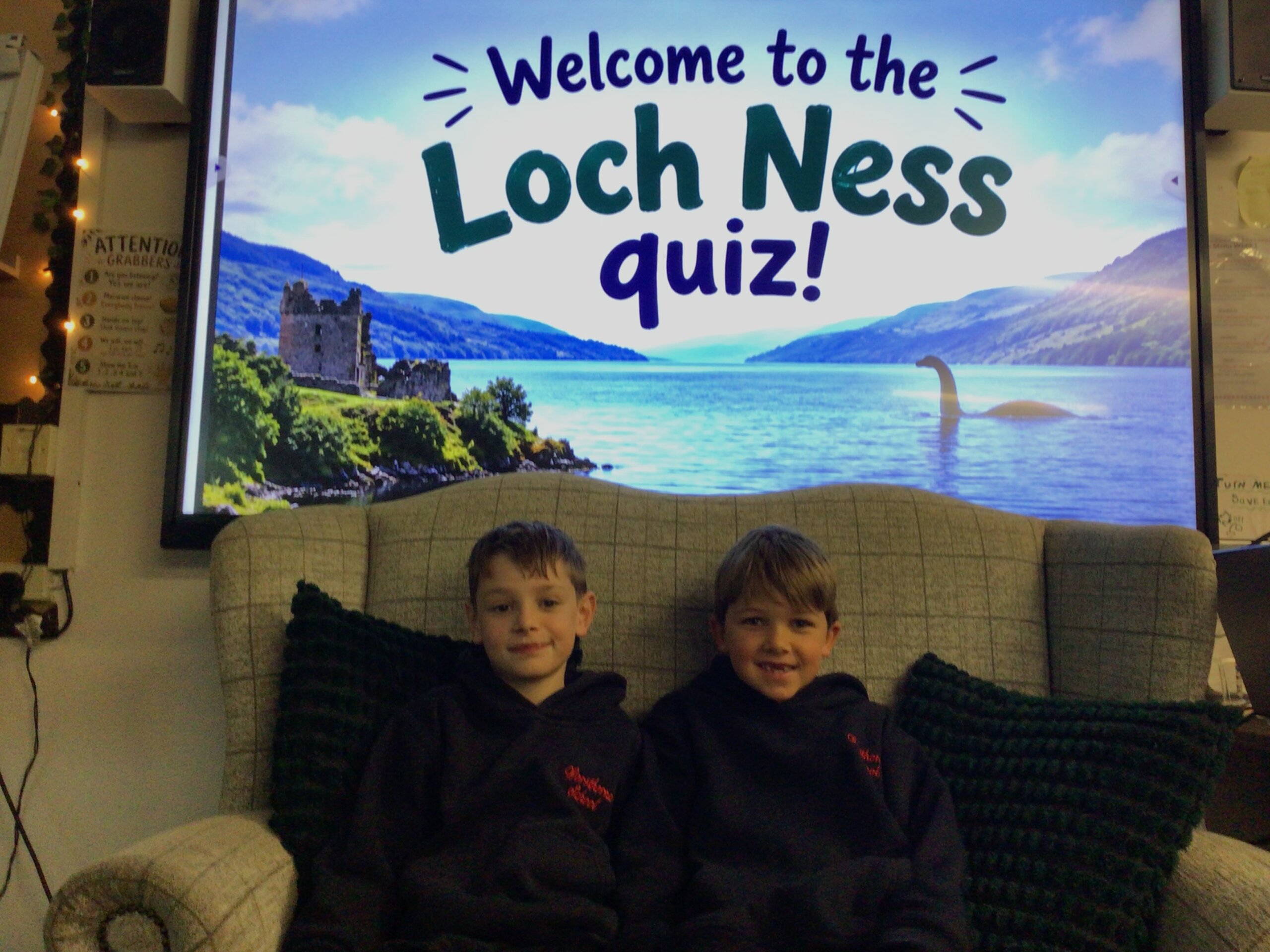
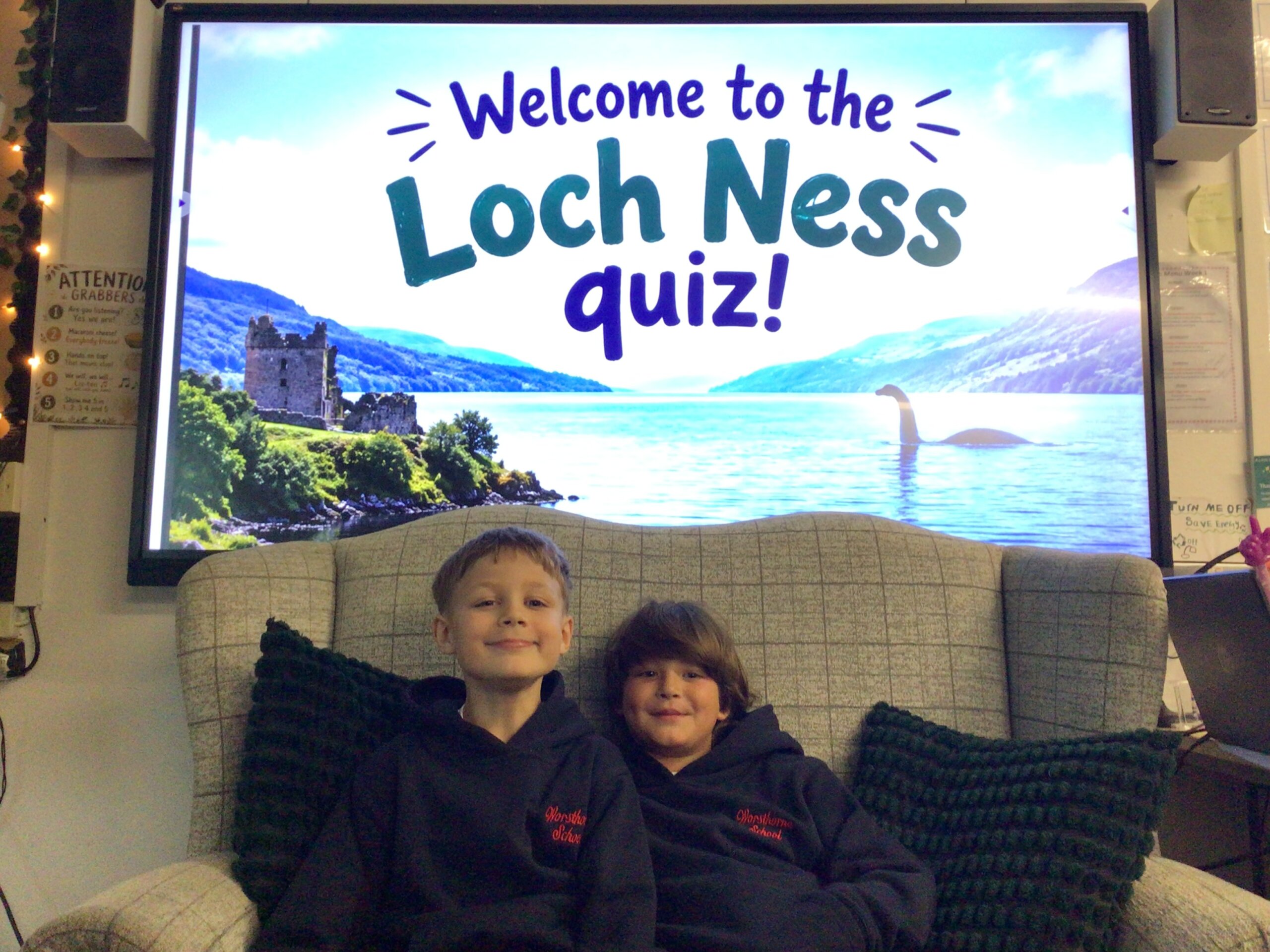
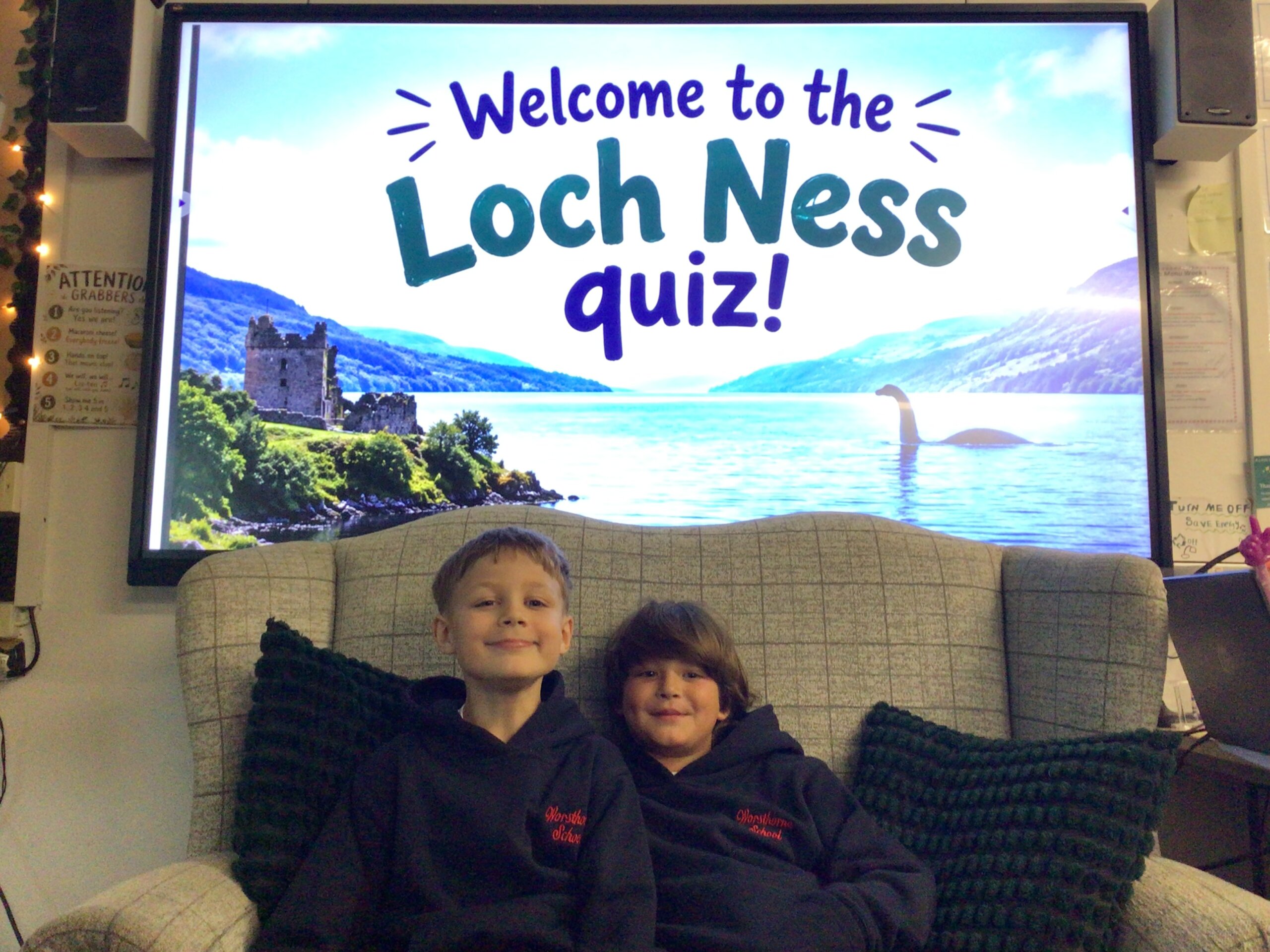
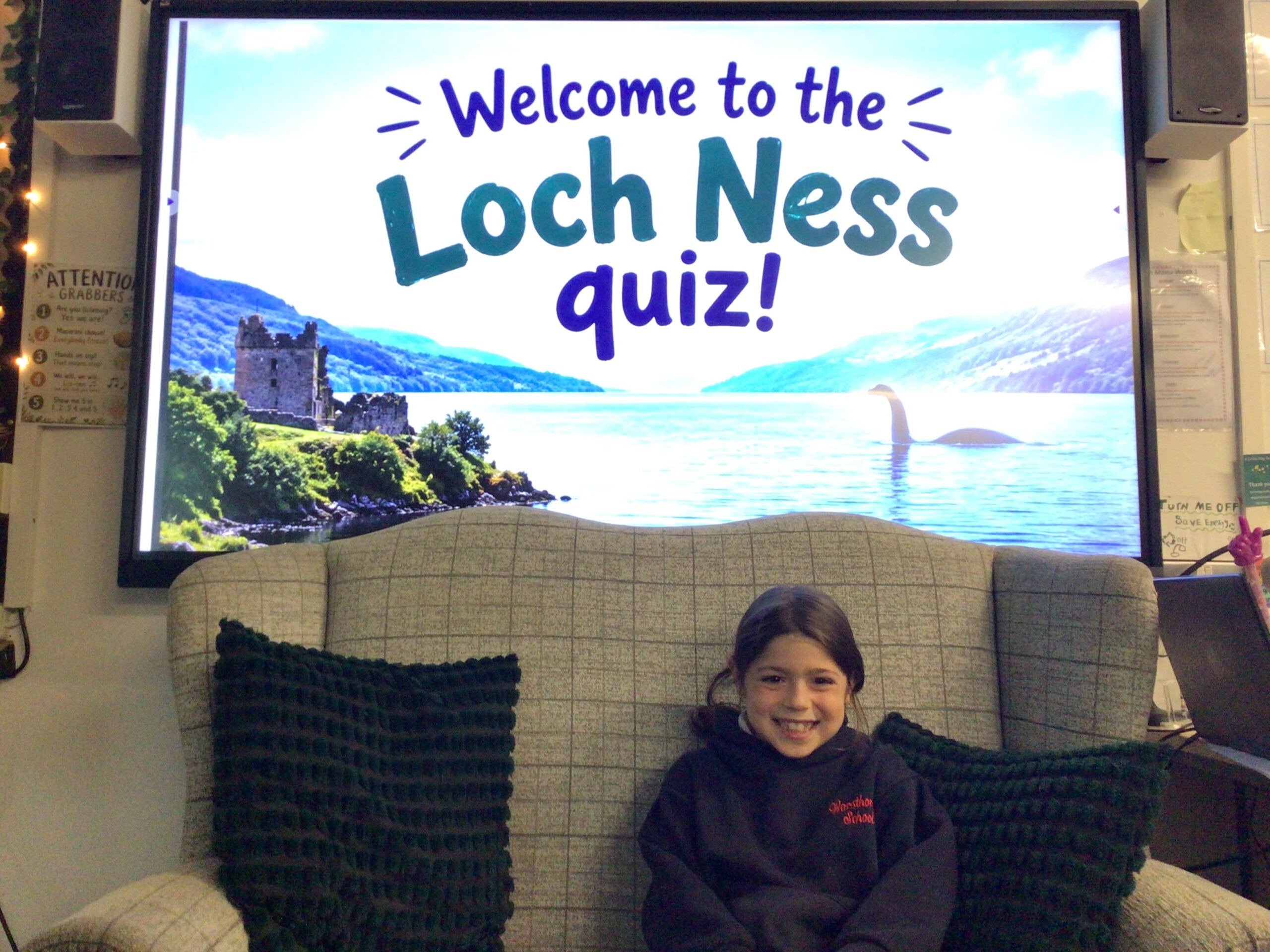
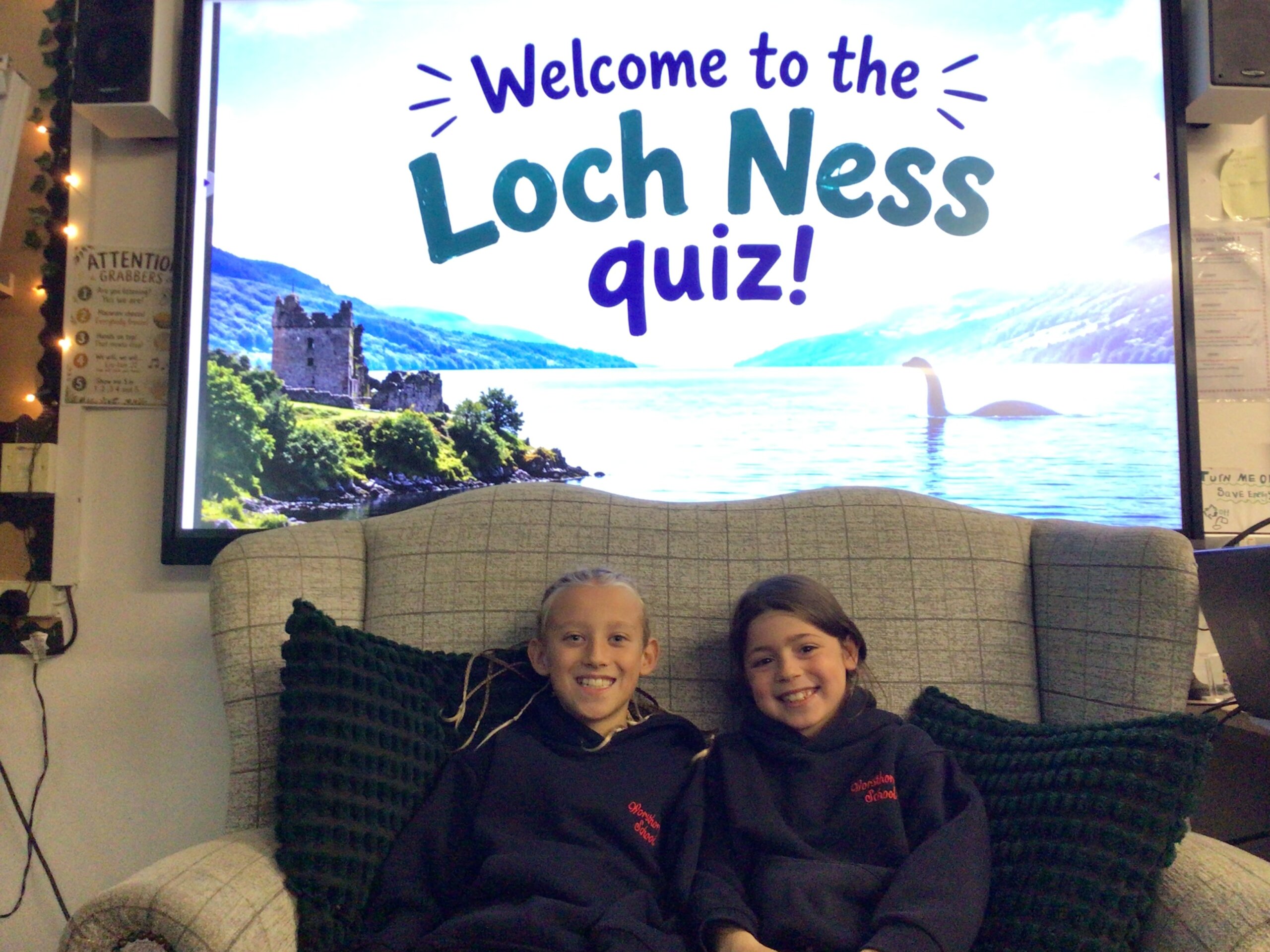
We are really enjoying learning about Loch Ness and the Loch Ness Monster. We have spent time researching fascinating facts, creating our own fact booklets and quizzing each other to see who has the ultimate Loch Ness knowledge! It has been great fun discovering more about the history of the loch, the stories surrounding Nessie and the different theories about whether the Loch Ness Monster could really exist.












Religious Education
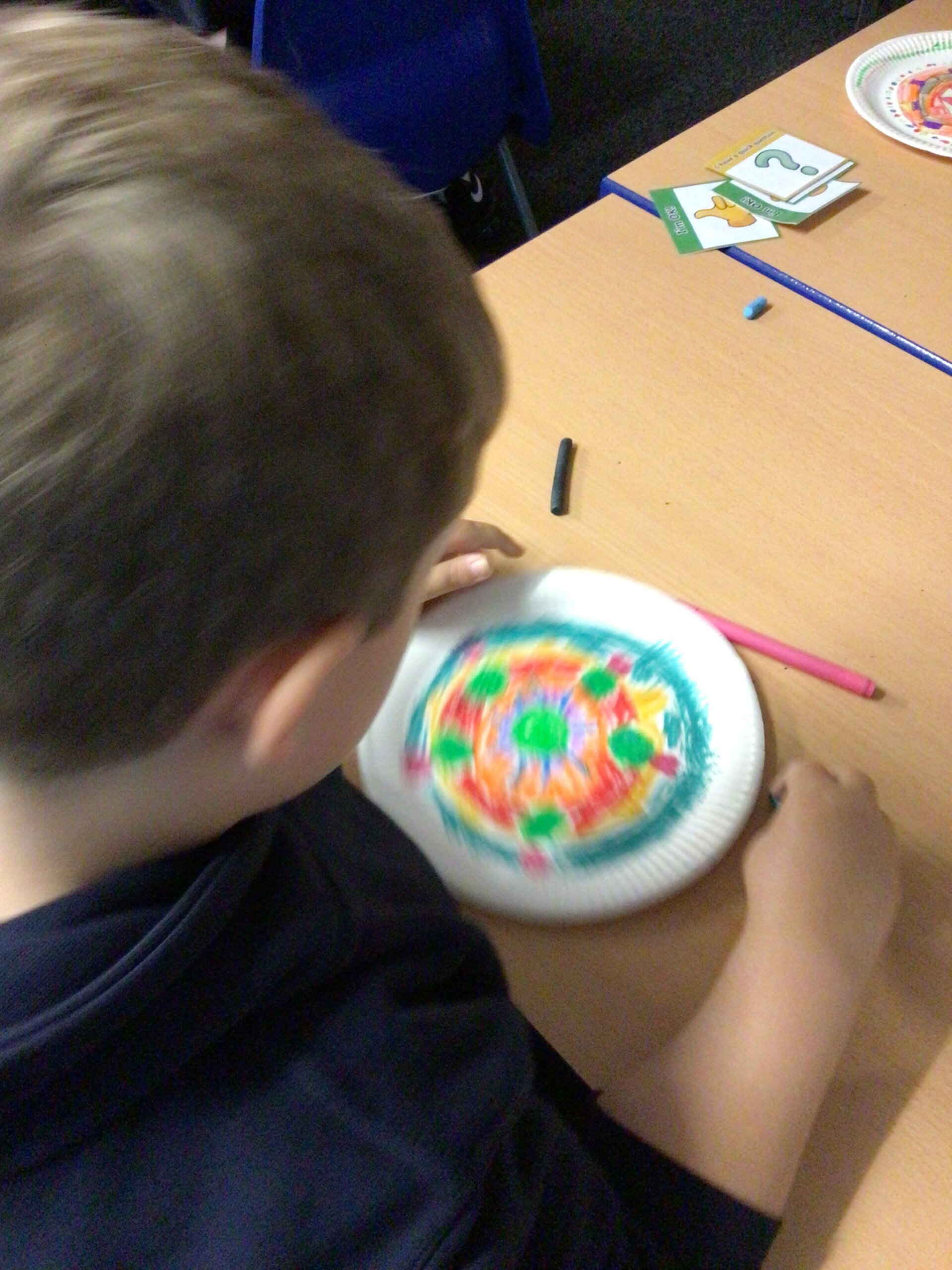
This half term, the children have been exploring Hindu Dharma. We began by reading the story of Rama and Sita, and the children enjoyed writing in role as different characters from the story.
We then explored the celebration of Diwali, learning about its importance and how it is celebrated. Throughout the unit, the children have shown lots of curiosity and have asked some fantastic questions, including:
- “What foods do people eat during Diwali?”
- “How long does the celebration last?”
- “Are there any special songs that are played during Diwali?”
It has been lovely to see the children becoming so engaged in their learning, asking thoughtful questions and developing their understanding of Hindu beliefs, traditions and celebrations.





Science





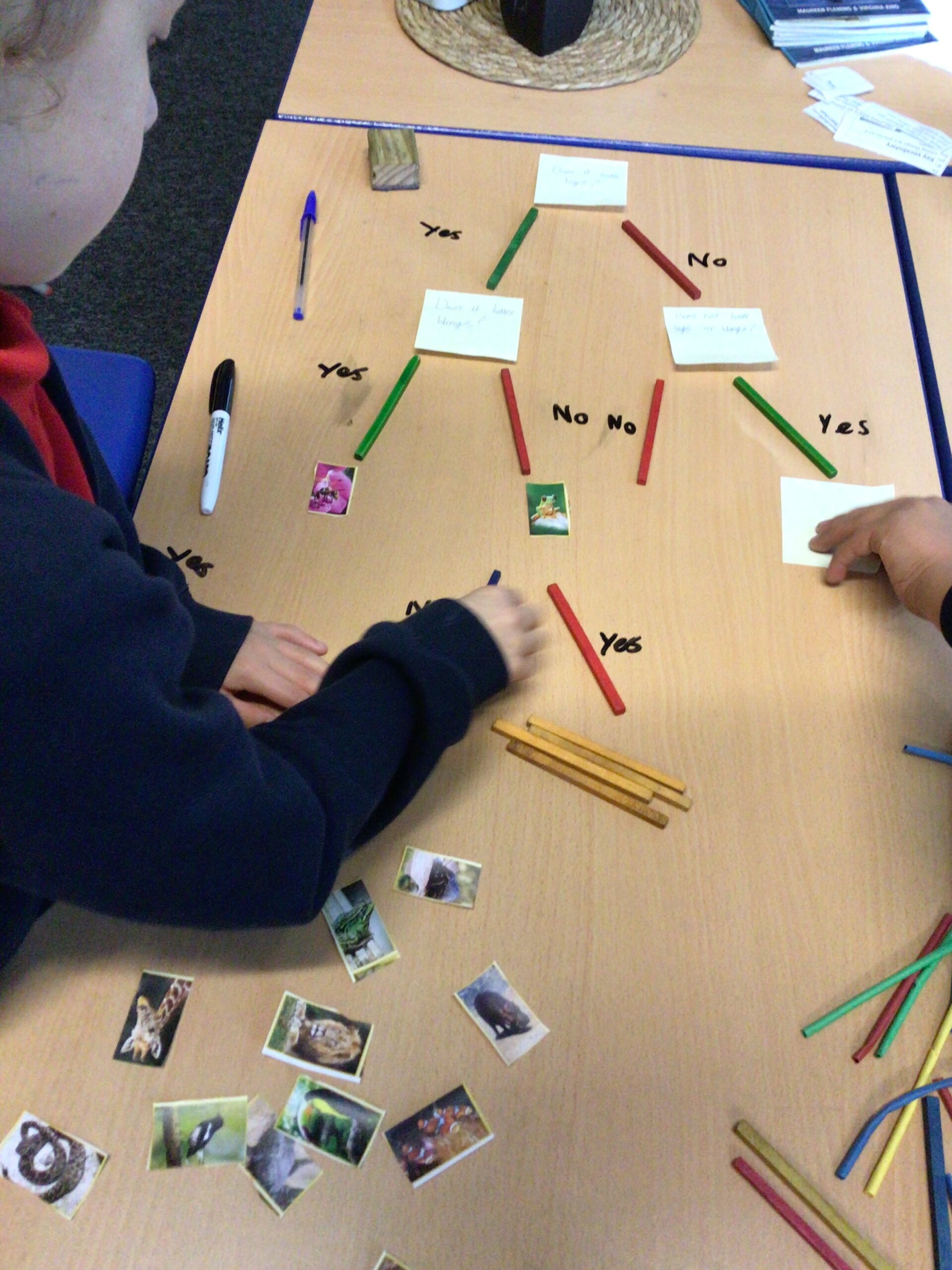



We are nutritionists!
This half term, we are in the role of nutritionists.
Our Wonder questions…
Human Digestive System
Year 4 have been learning about the digestive system and have carried out an experiment to mimic human digestion.
To help us understand how our bodies break down food, Mrs Ilyas introduced what may just be the most revolting – but also the most memorable – experiment we’ve ever done in the classroom. The aim? To build a working model of the human digestive system… using real food!
The process began with some “chewing”: we crushed up crackers and bananas to represent the start of digestion in the mouth. Once our mixture was ready, it was placed into a plastic bag (our “stomach”), where sparkling water was added to act as stomach acid. The bag was sealed, squished, and mixed thoroughly – just like food in your tummy!
After this, things got even messier. We poured the contents from our ‘stomachs’ into a pair of tights to represent the intestines. This part of the experiment involved pushing out all the nutritious liquid (absorbed nutrients) into a bowl, mimicking what our real intestines do.
And finally… the grand finale. We turned over the tights to push out the final waste product – poo! By this stage, the classroom was filled with a very unique smell and a mix of wide-eyed fascination and scrunched-up noses.


Burnley F.C. Nutritionist
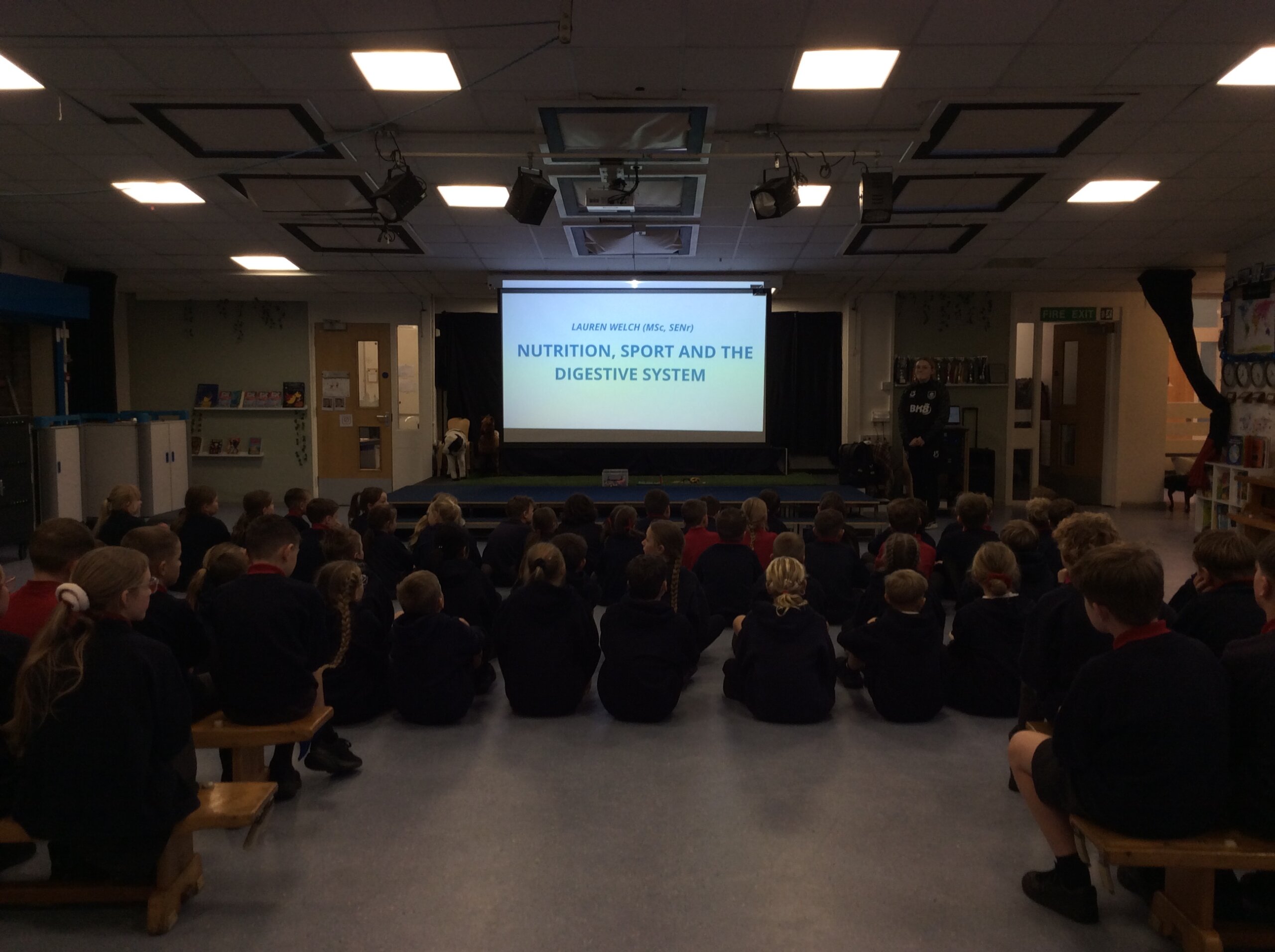
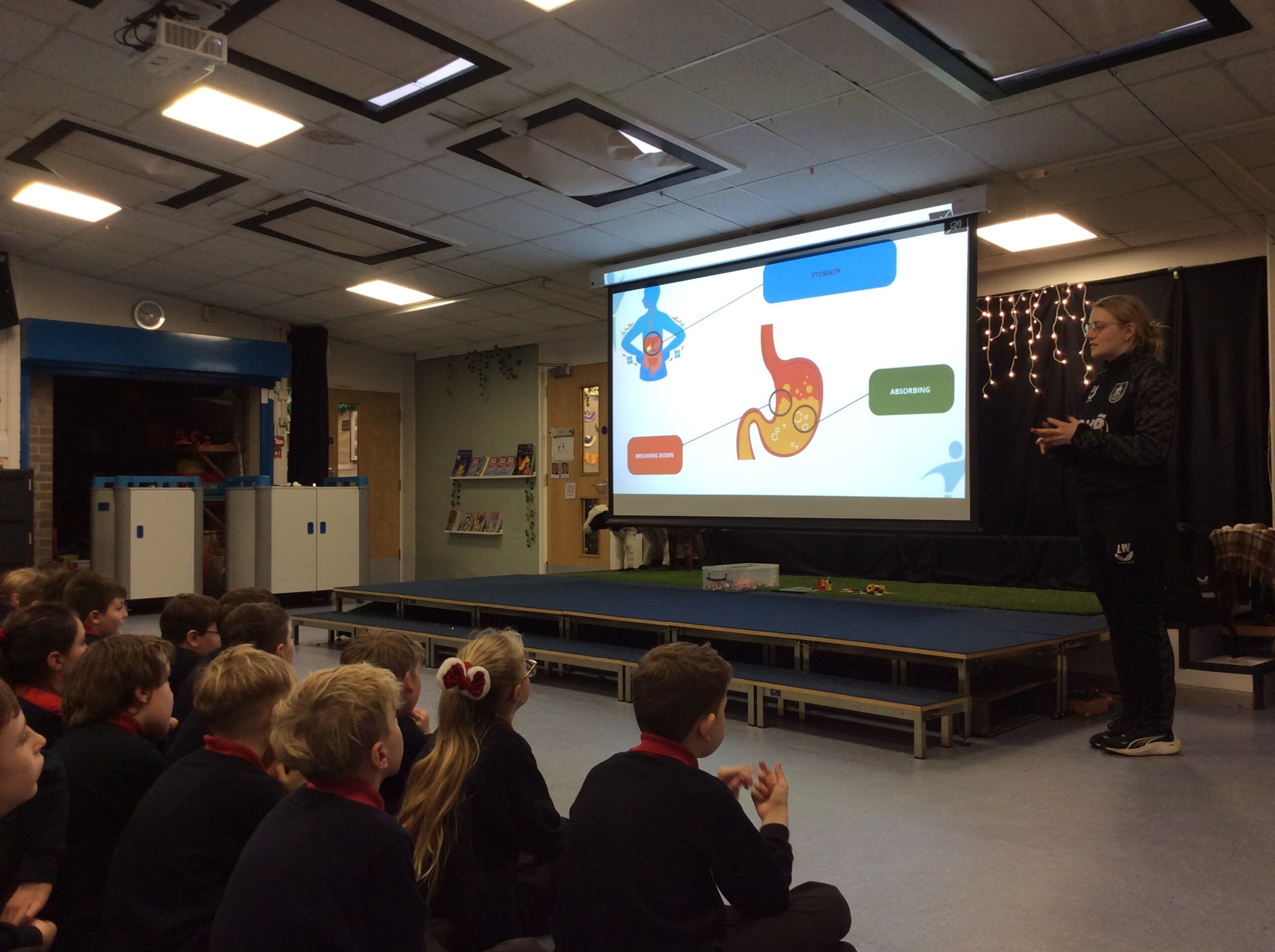
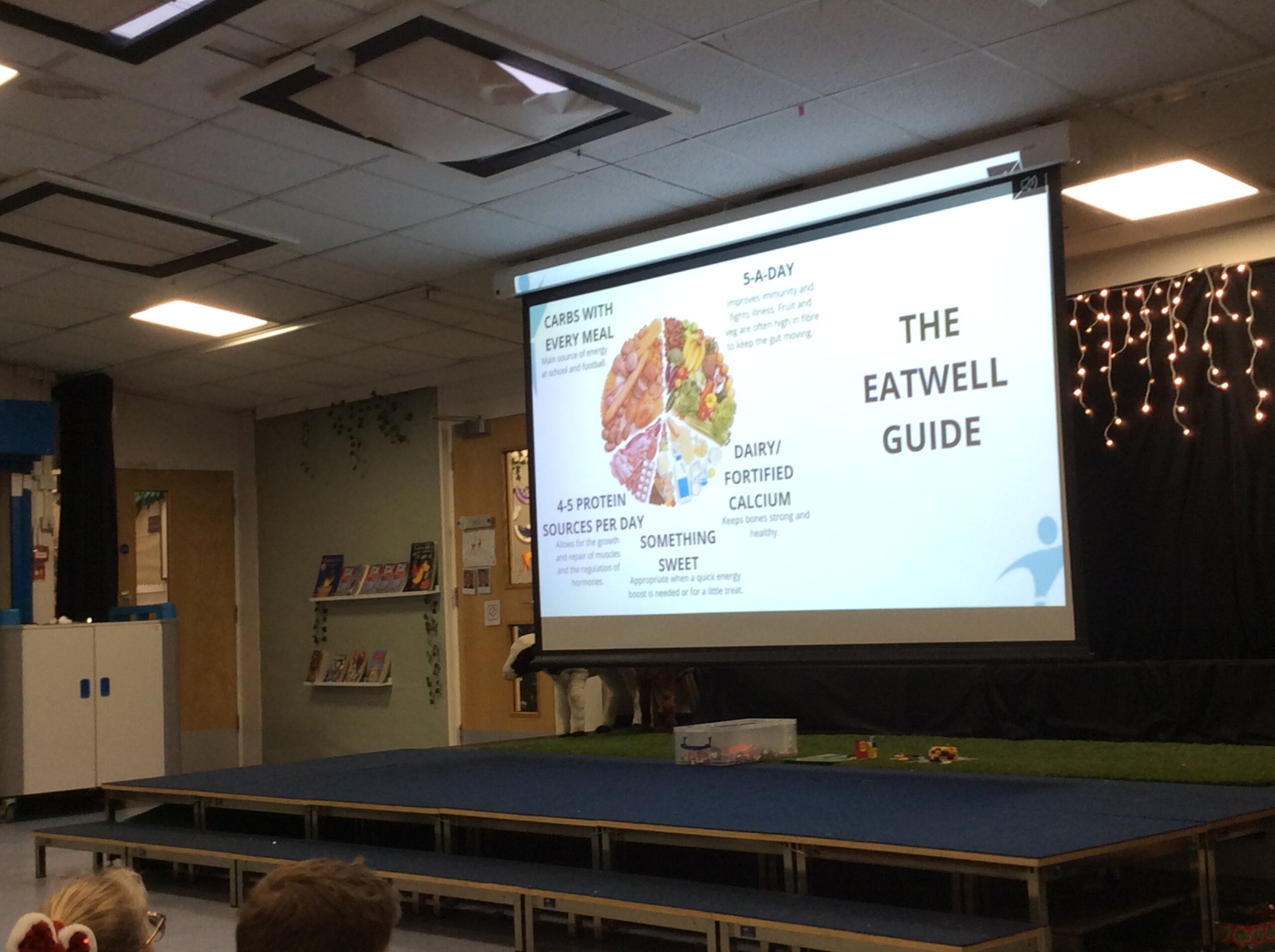
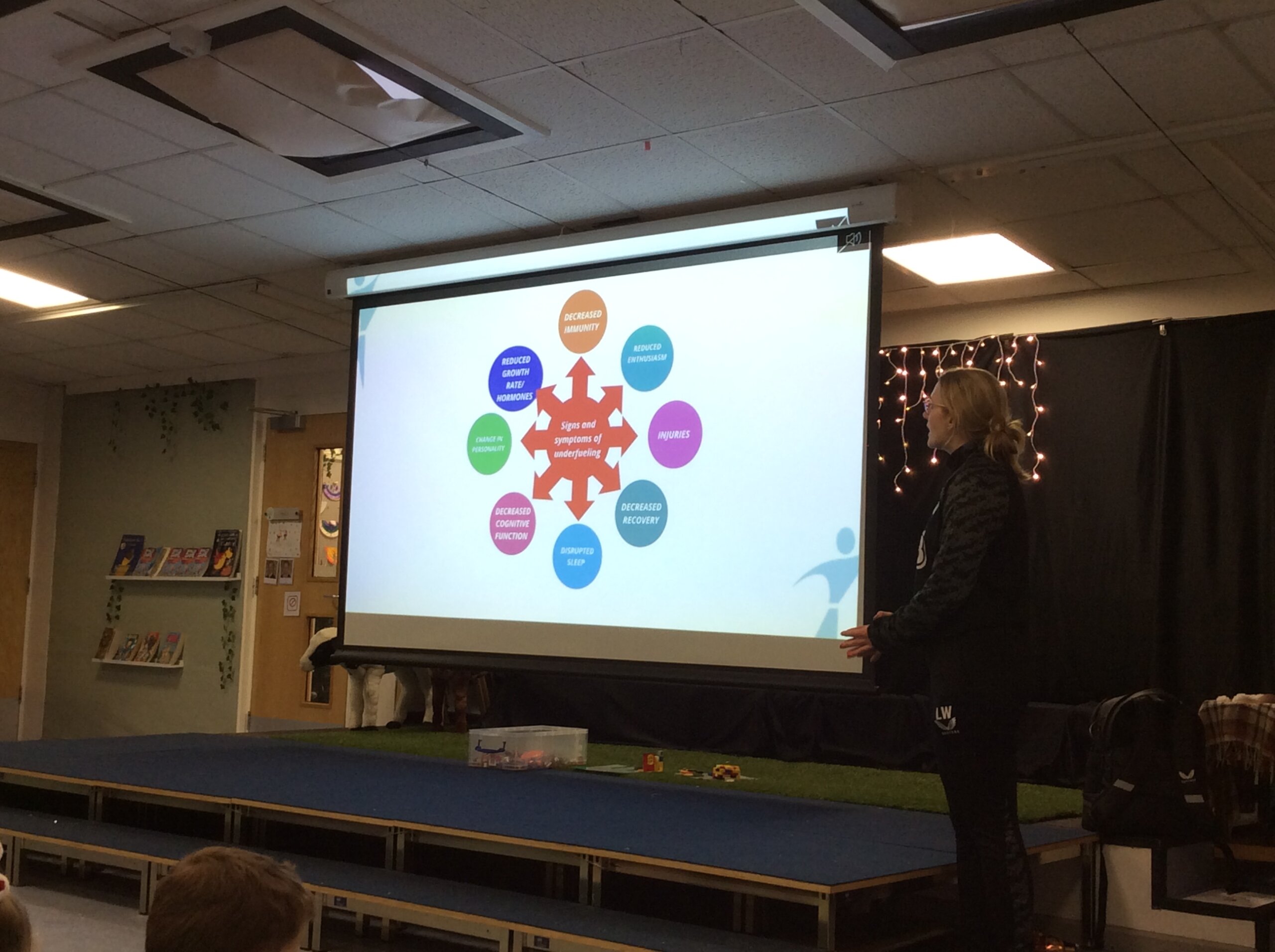
On Thursday afternoon, Year 4/5/6 were lucky enough to have a visit from Lauren. Lauren is lead nutritionist at Burnley F.C. She came in to school to talk to us about the importance of good nutrition in our everyday life. She also discussed the digestive system linked to Year 4’s learning this half-term. Here are some facts children in Year 4 wanted to share with you after the assembly:
- The intestines are full of bacterial pili, which soak up nutrients from food.
- Your intestines can measure up to 9 metres long.
- Your front teeth tear food and your back teeth squish food.
- Humans can’t digest the outer part of sweetcorn.
- You should eat 5-7 fruits or vegetables per day.