

At Worsthorne, Physical Education develops the children’s knowledge, skills and understanding, so that they can perform with increasing competence and confidence in a range of physical activities. These include dance, games, gymnastics, swimming and water safety, athletics and outdoor adventure activities. Physical education promotes an understanding in children of their bodies in action. It involves thinking, selecting and applying skills and promotes positive attitudes towards a healthy lifestyle. Thus, we enable them to make informed choices about physical activity throughout their lives.
KS1
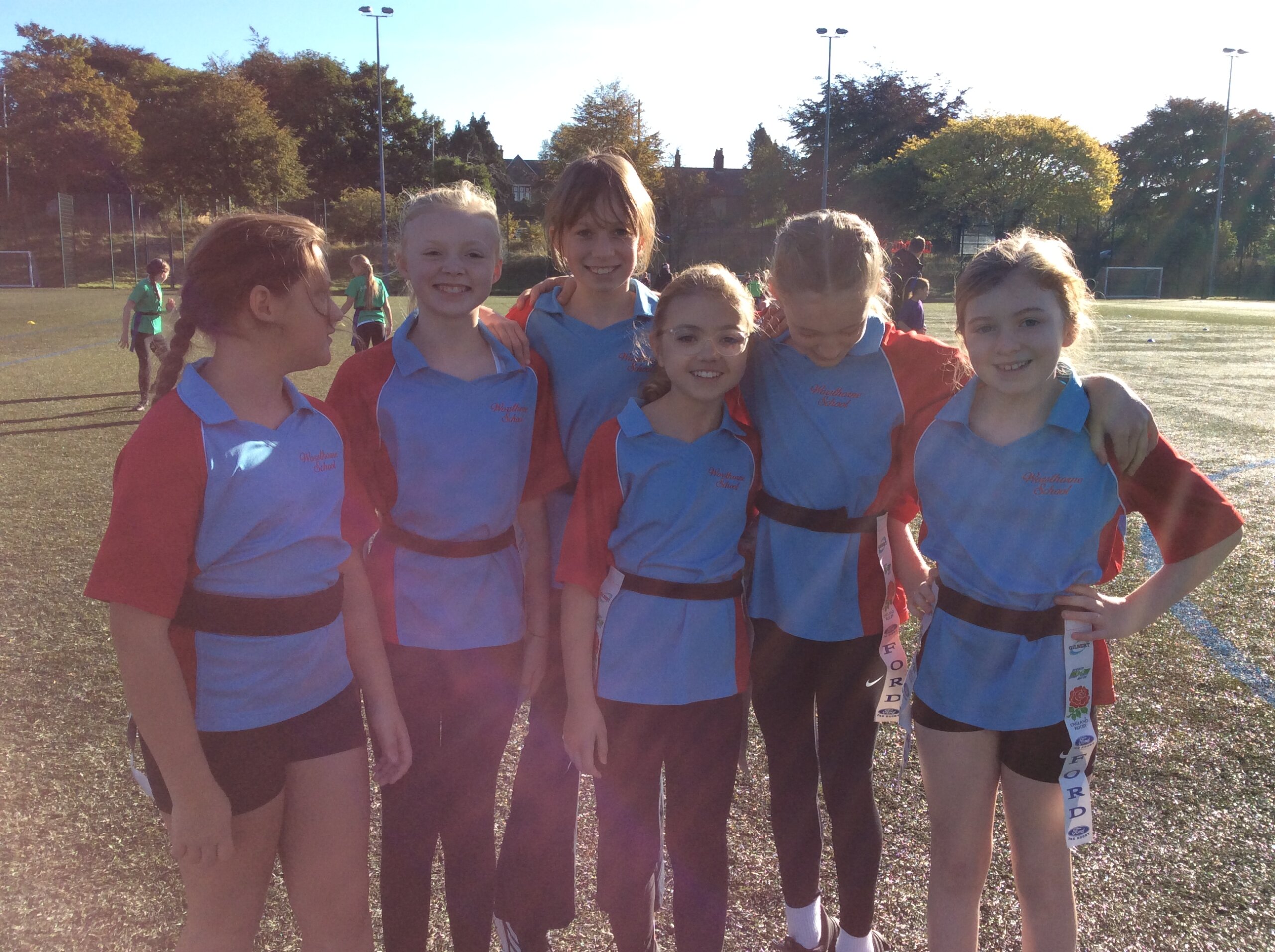
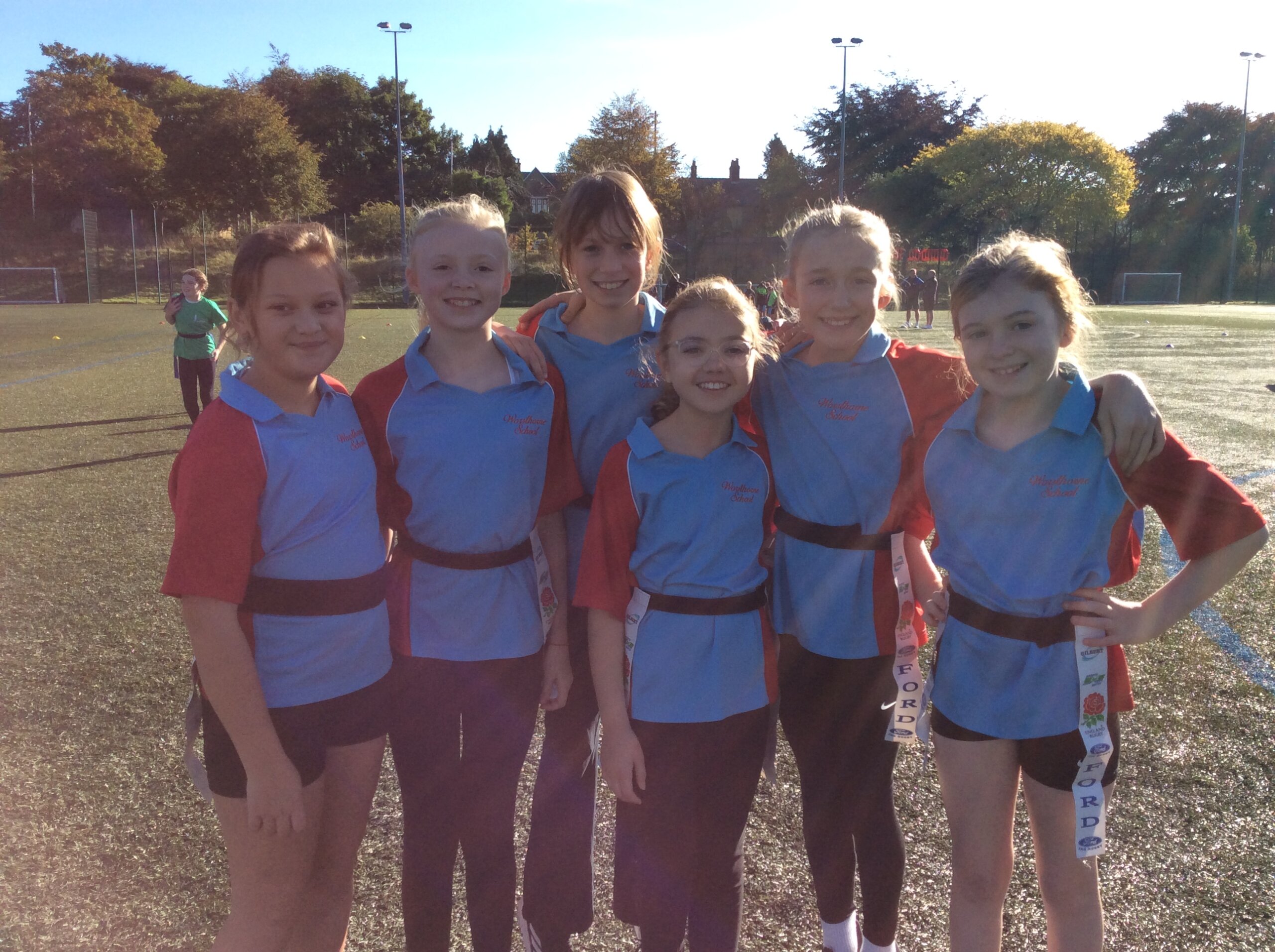
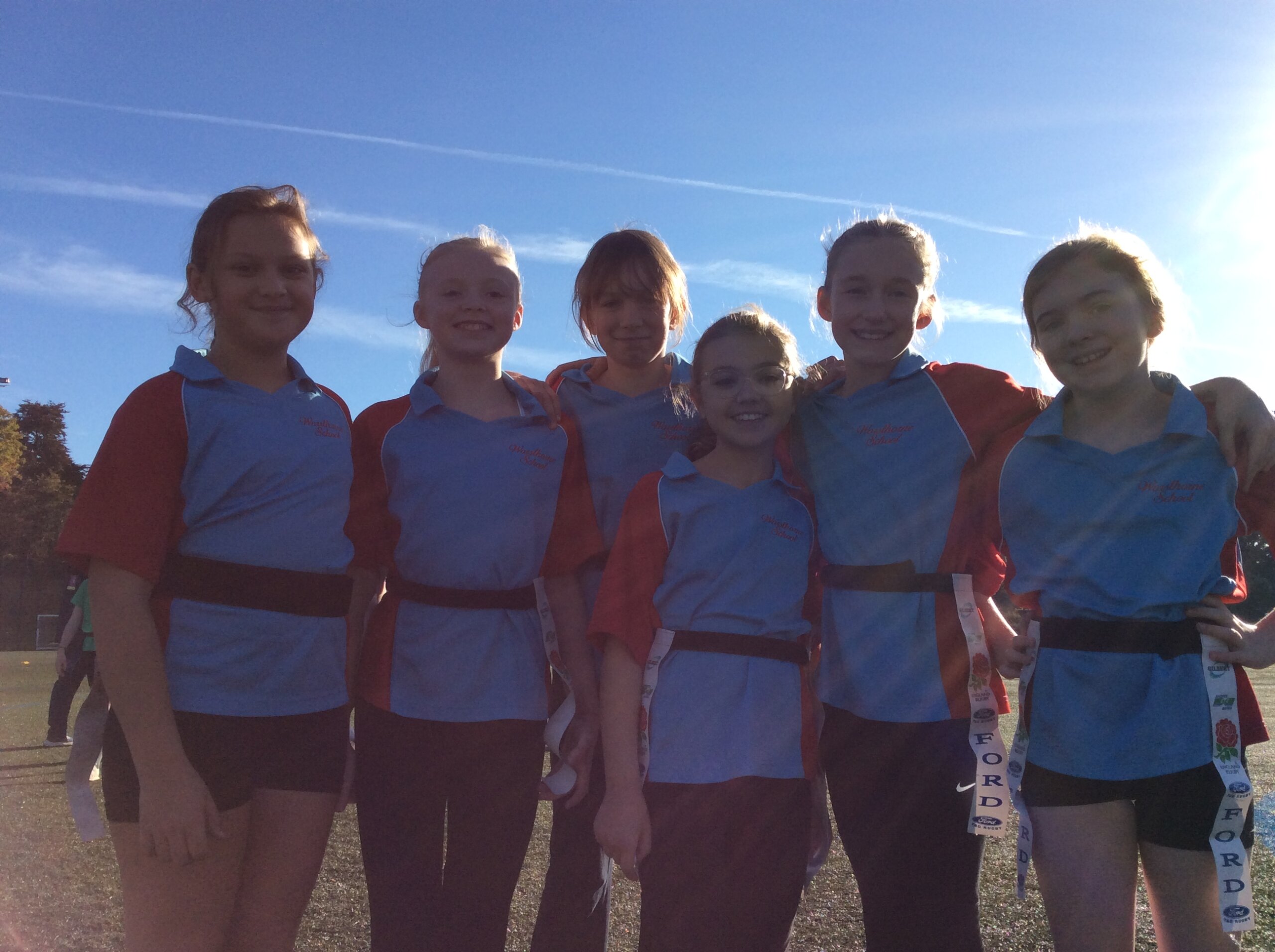
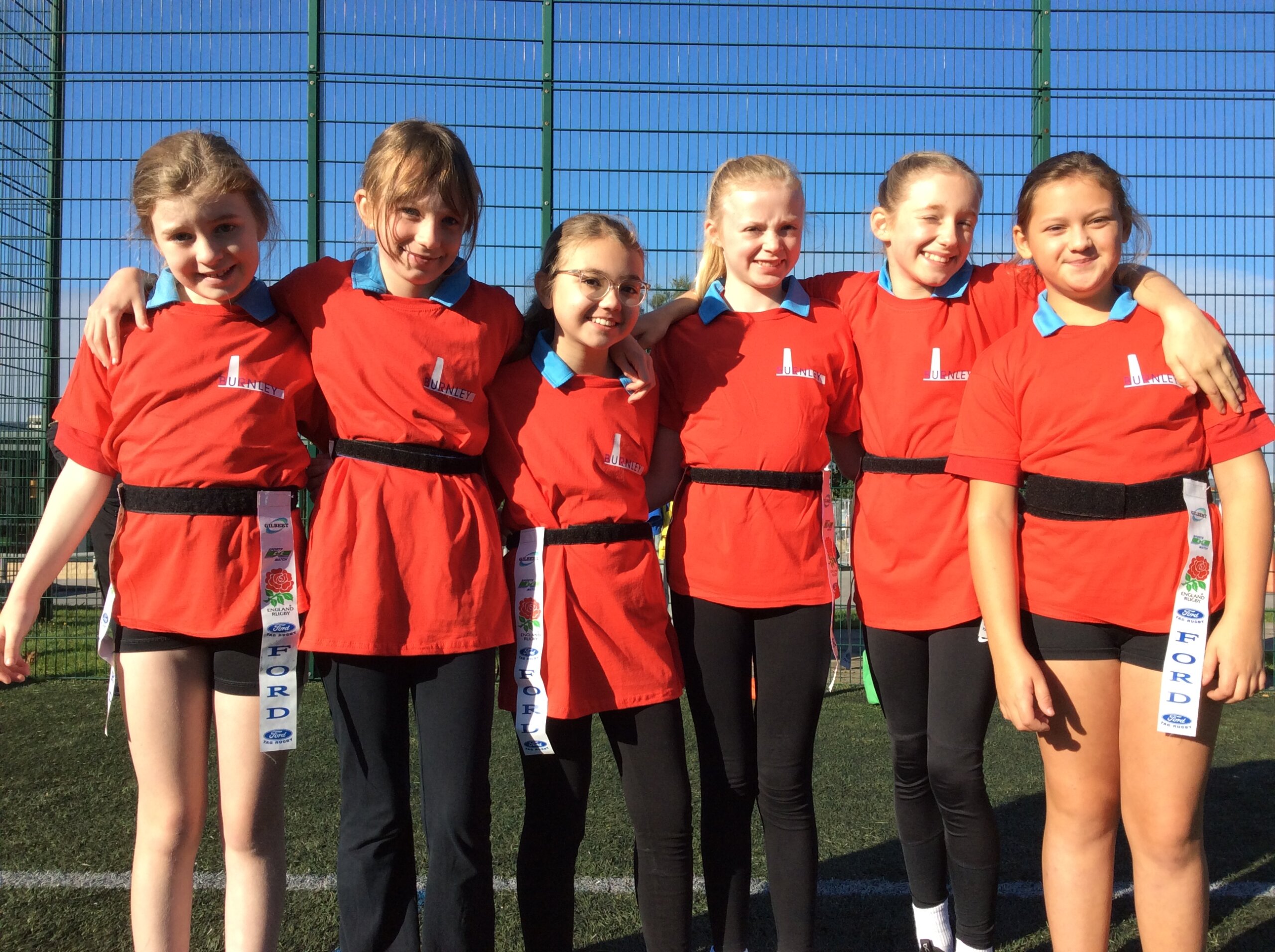
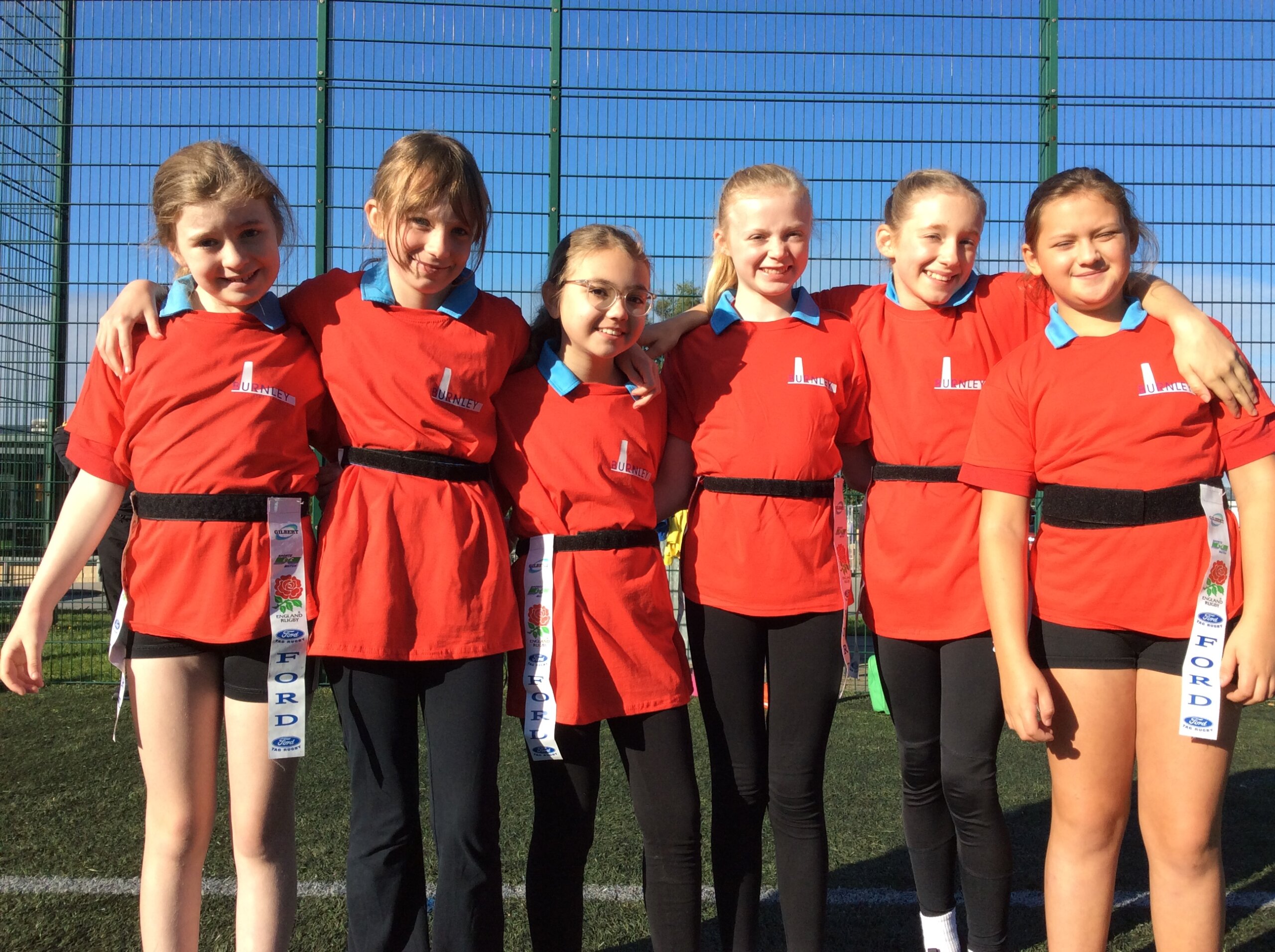
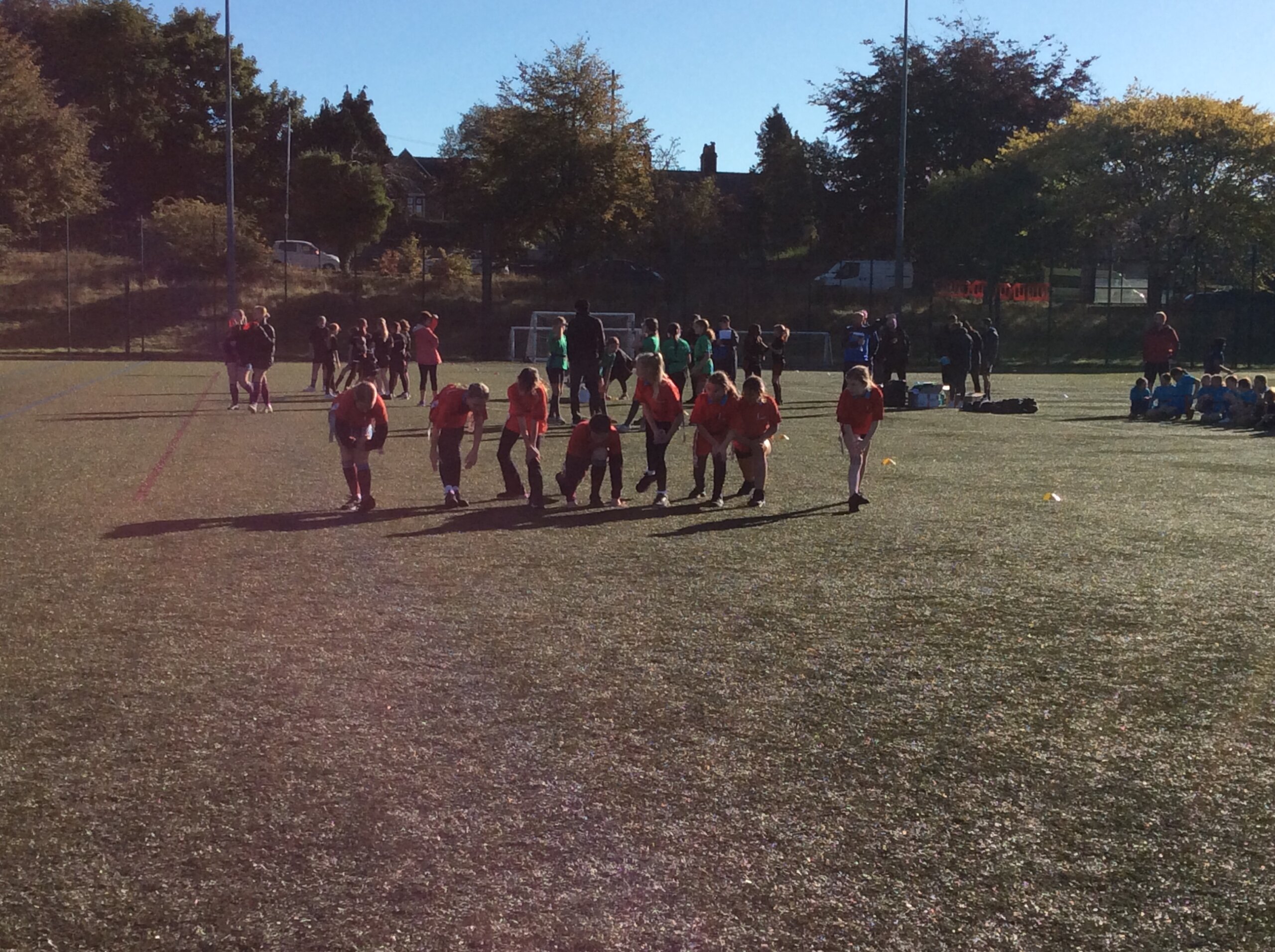
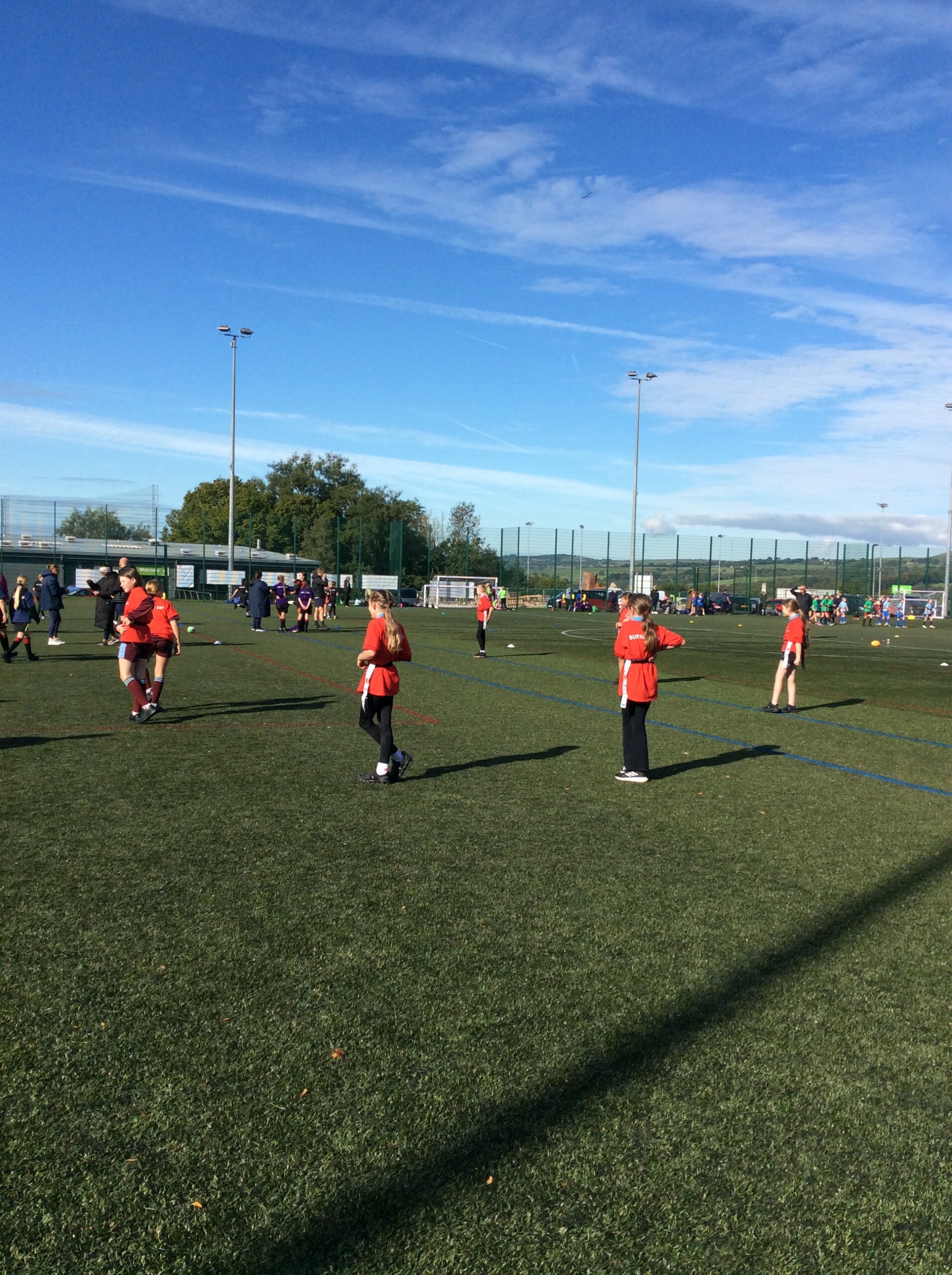
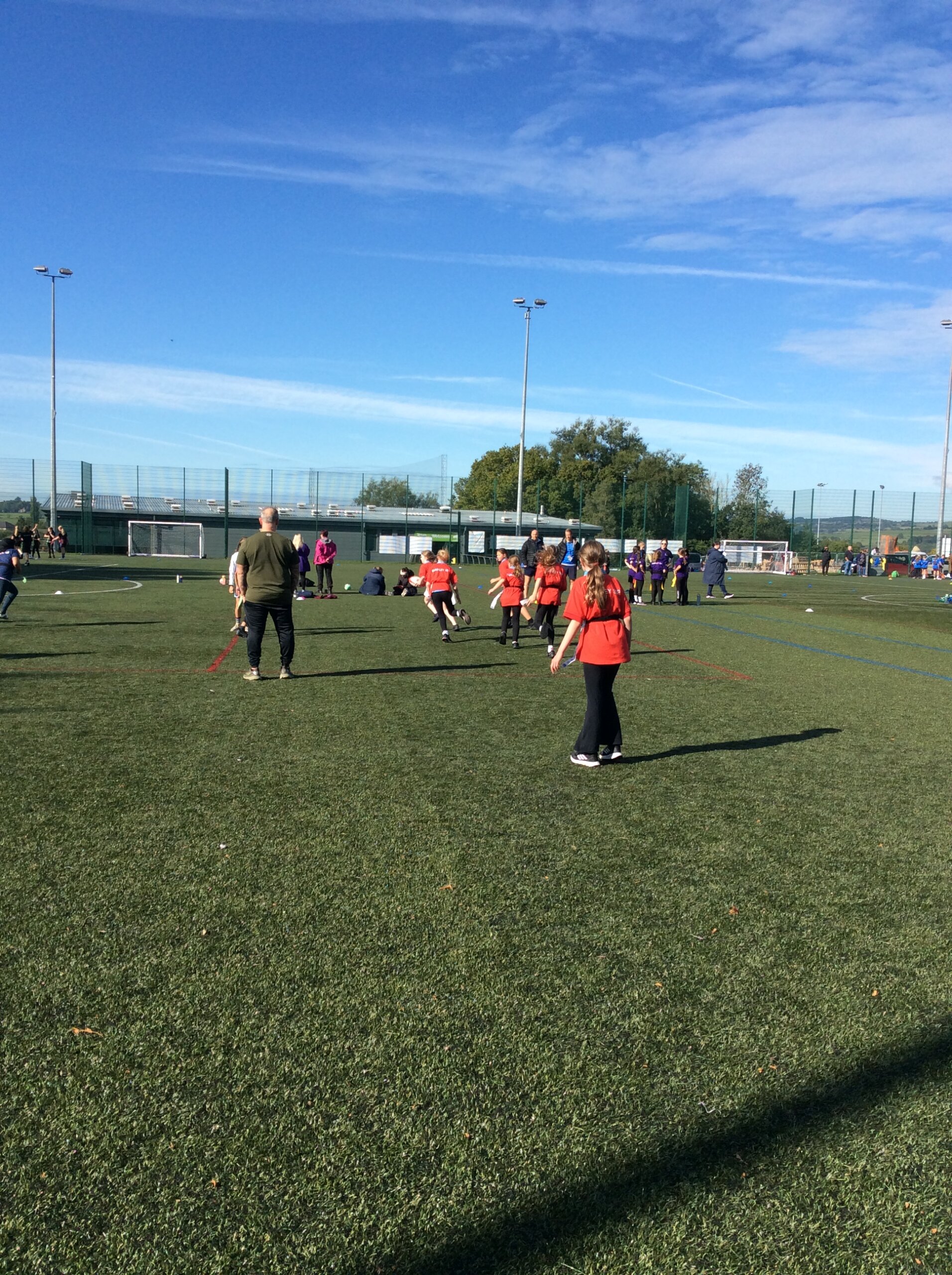
KS1 Fun Run
No Team Football Festival
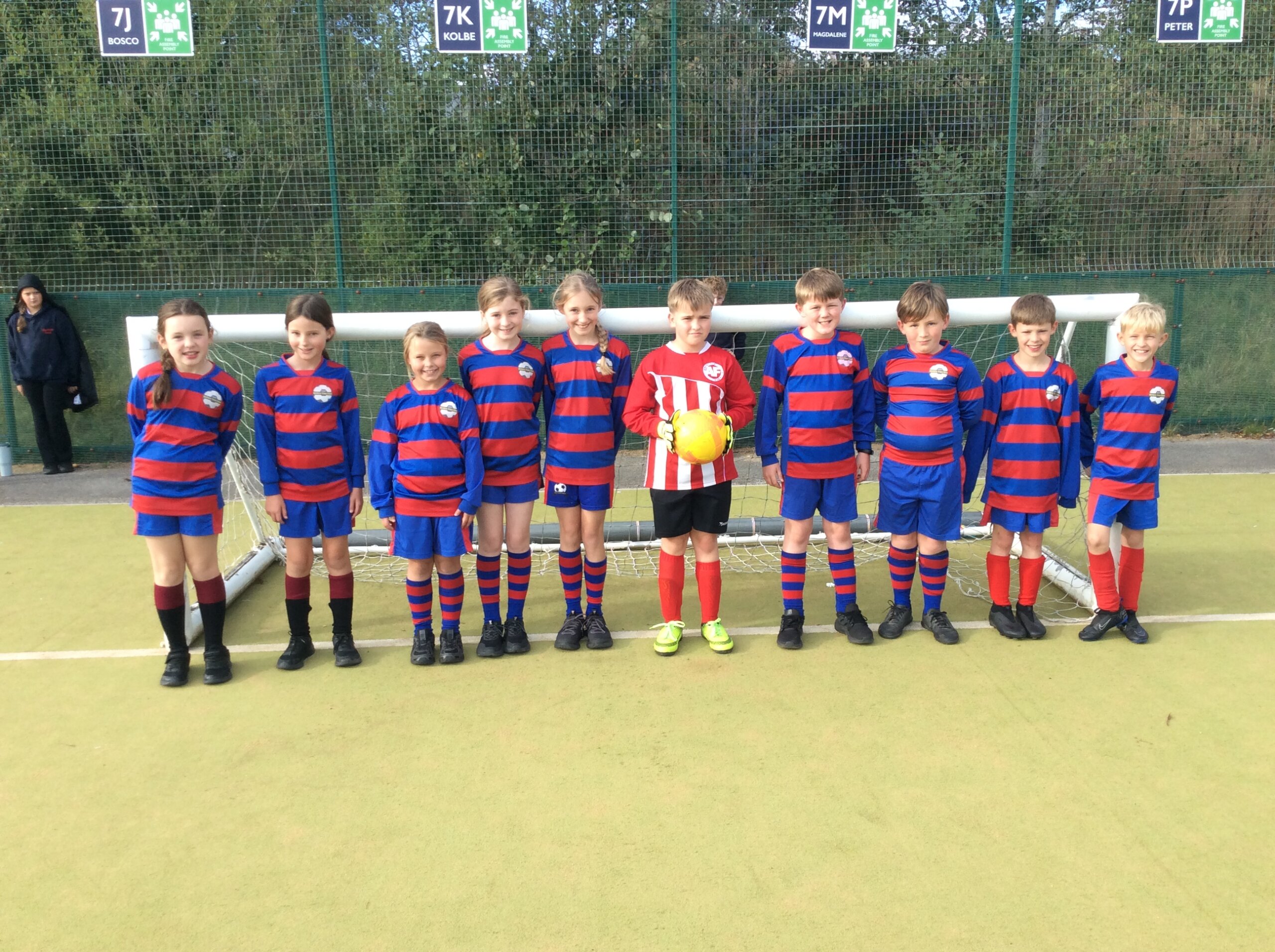
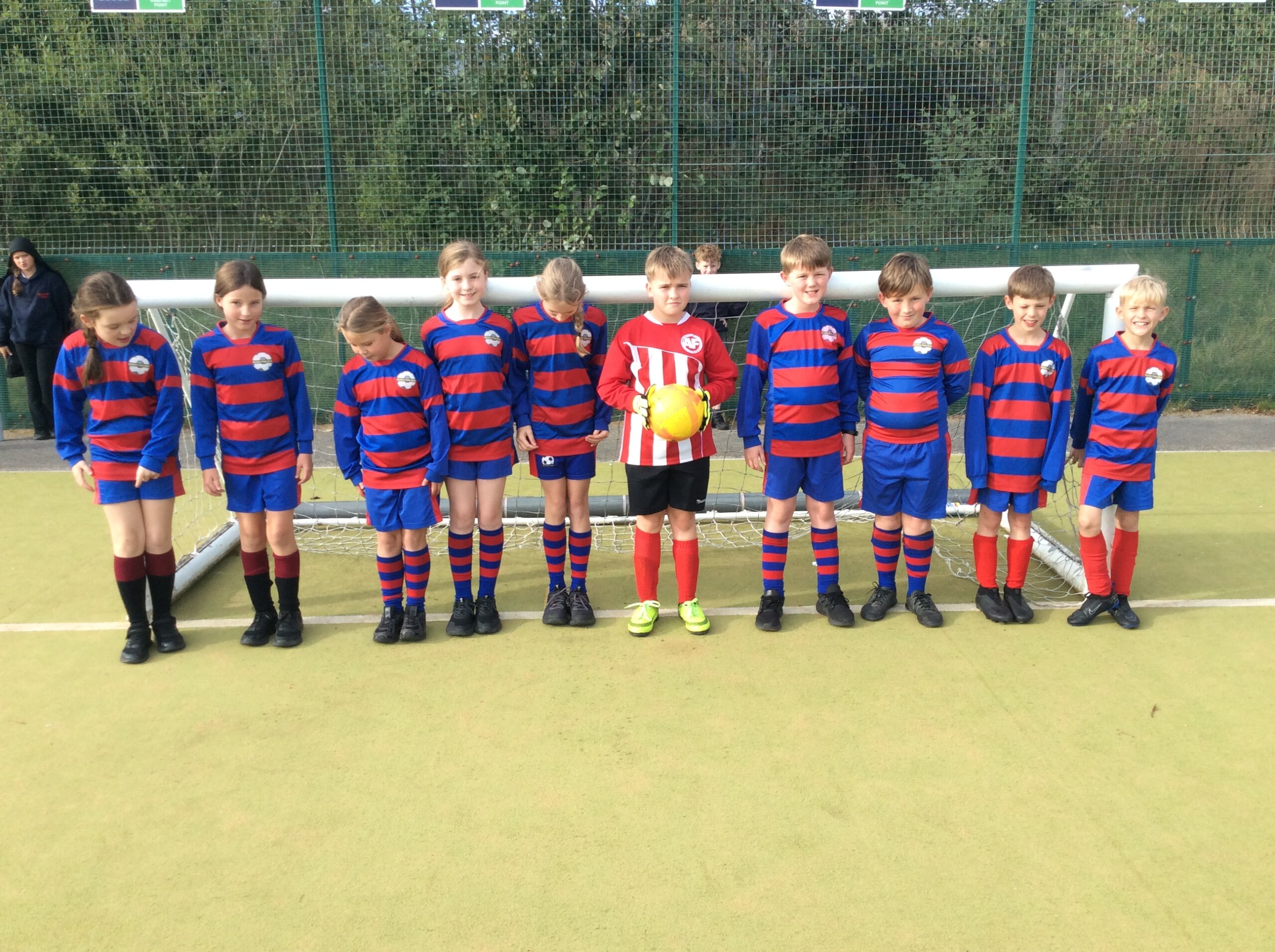
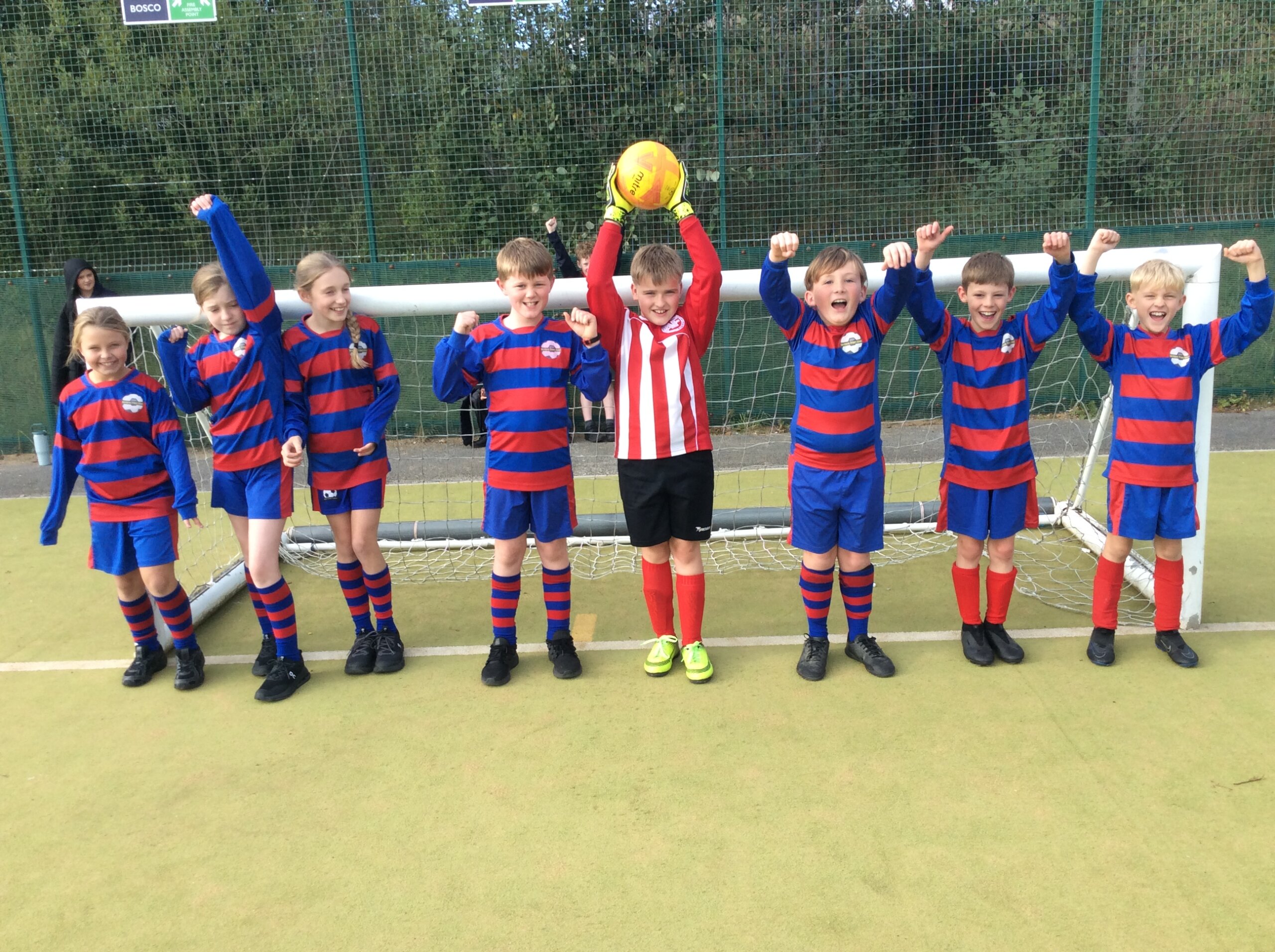
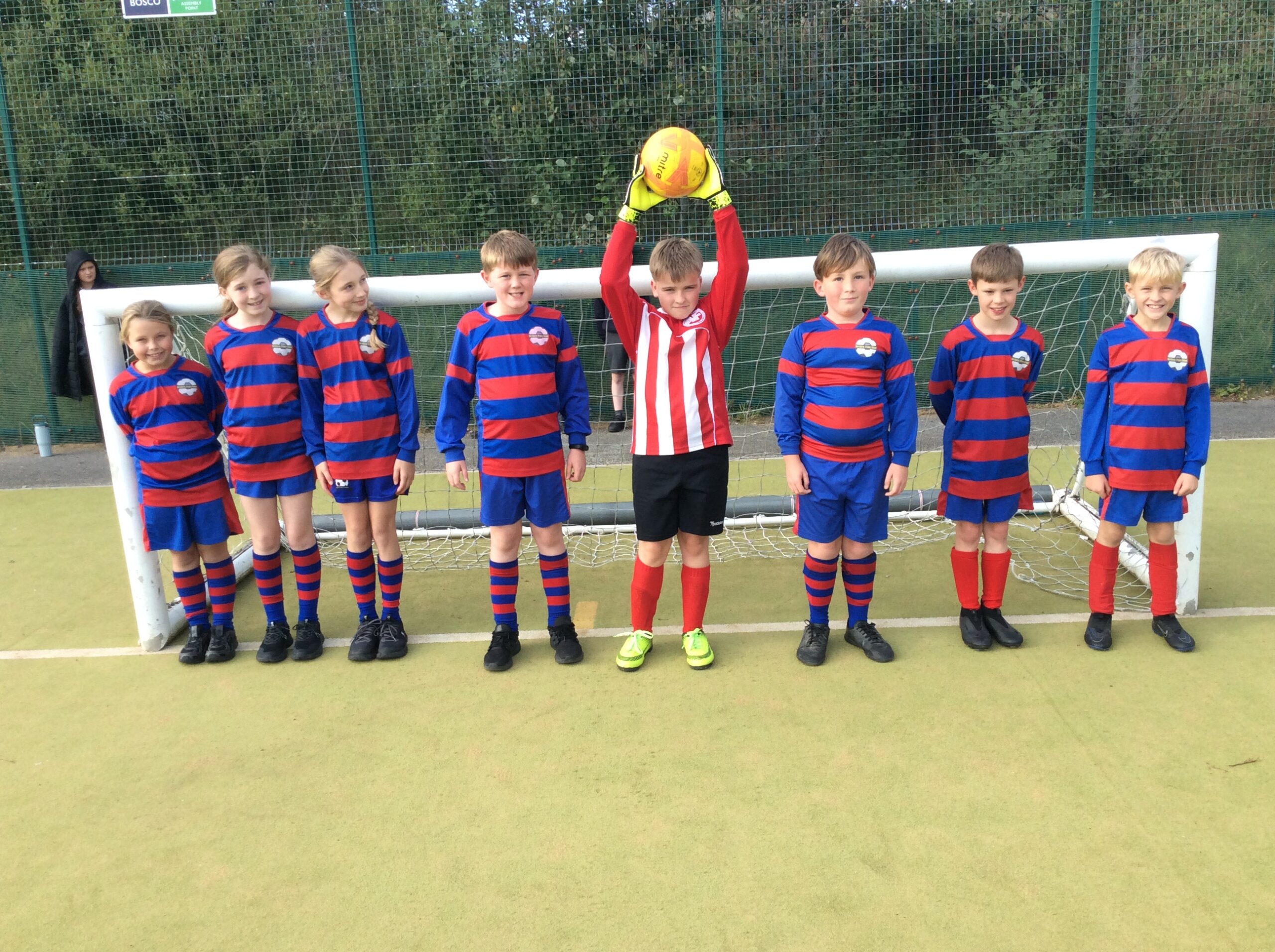
KS1 Animal Olympics
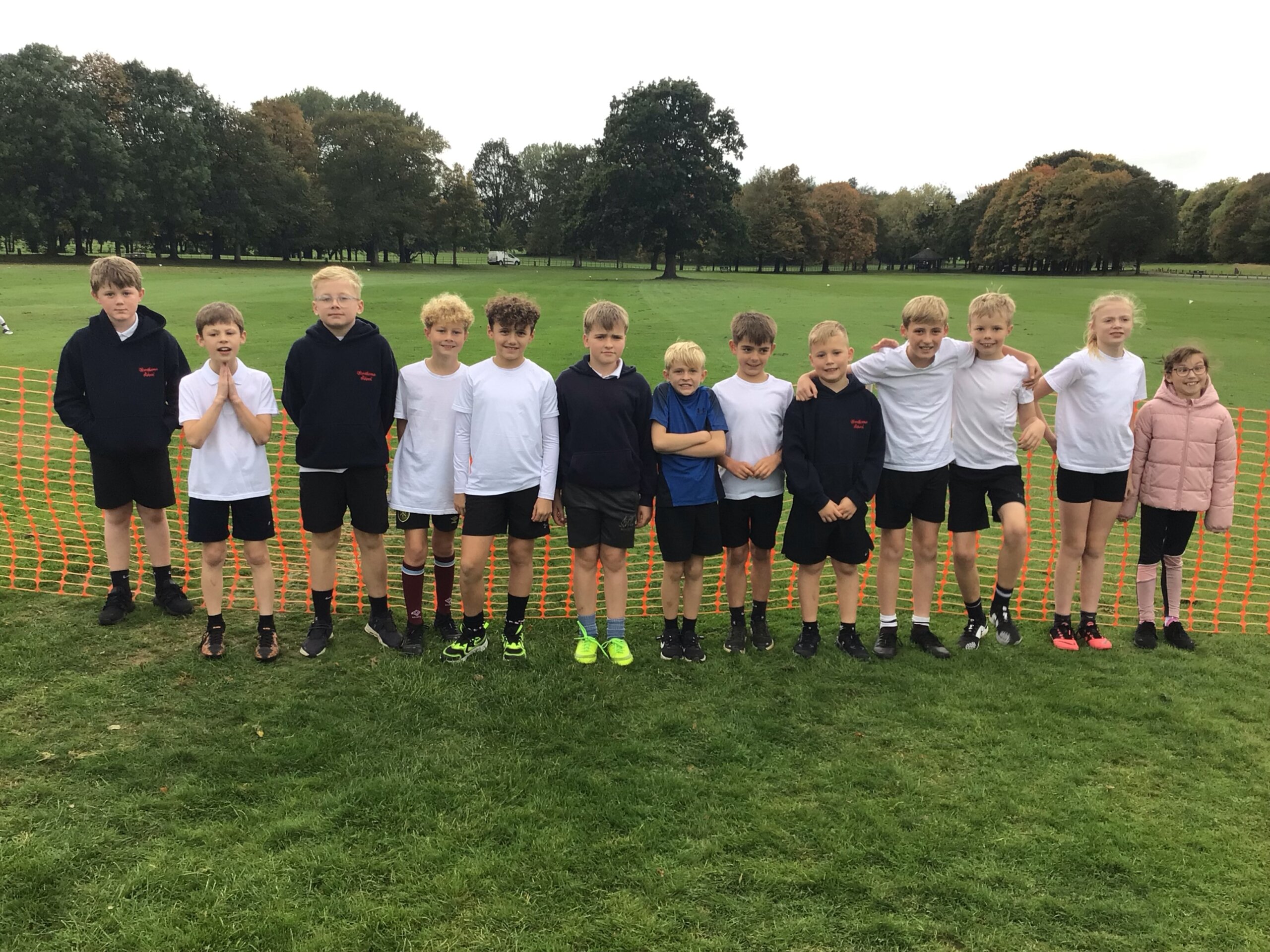
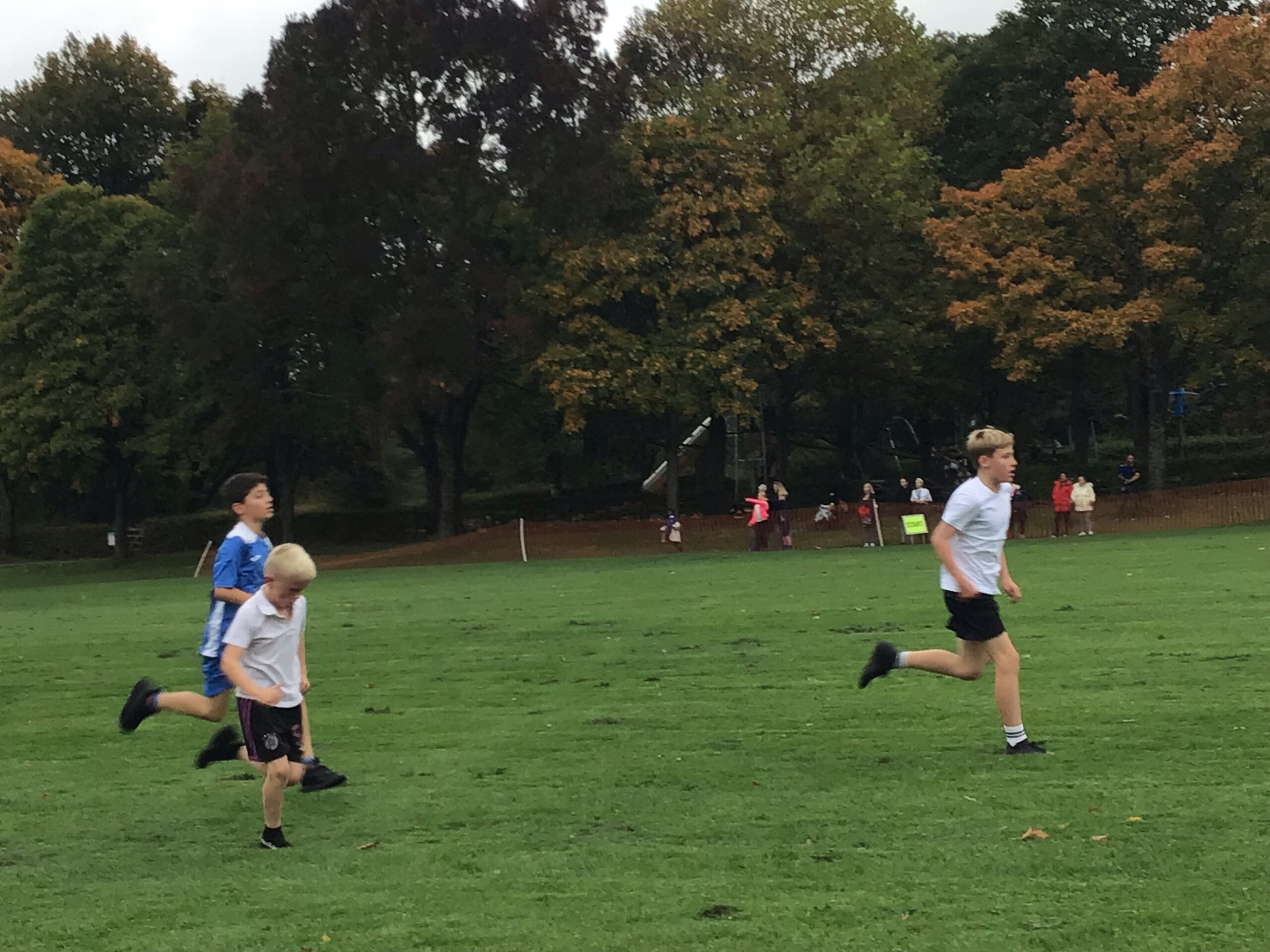
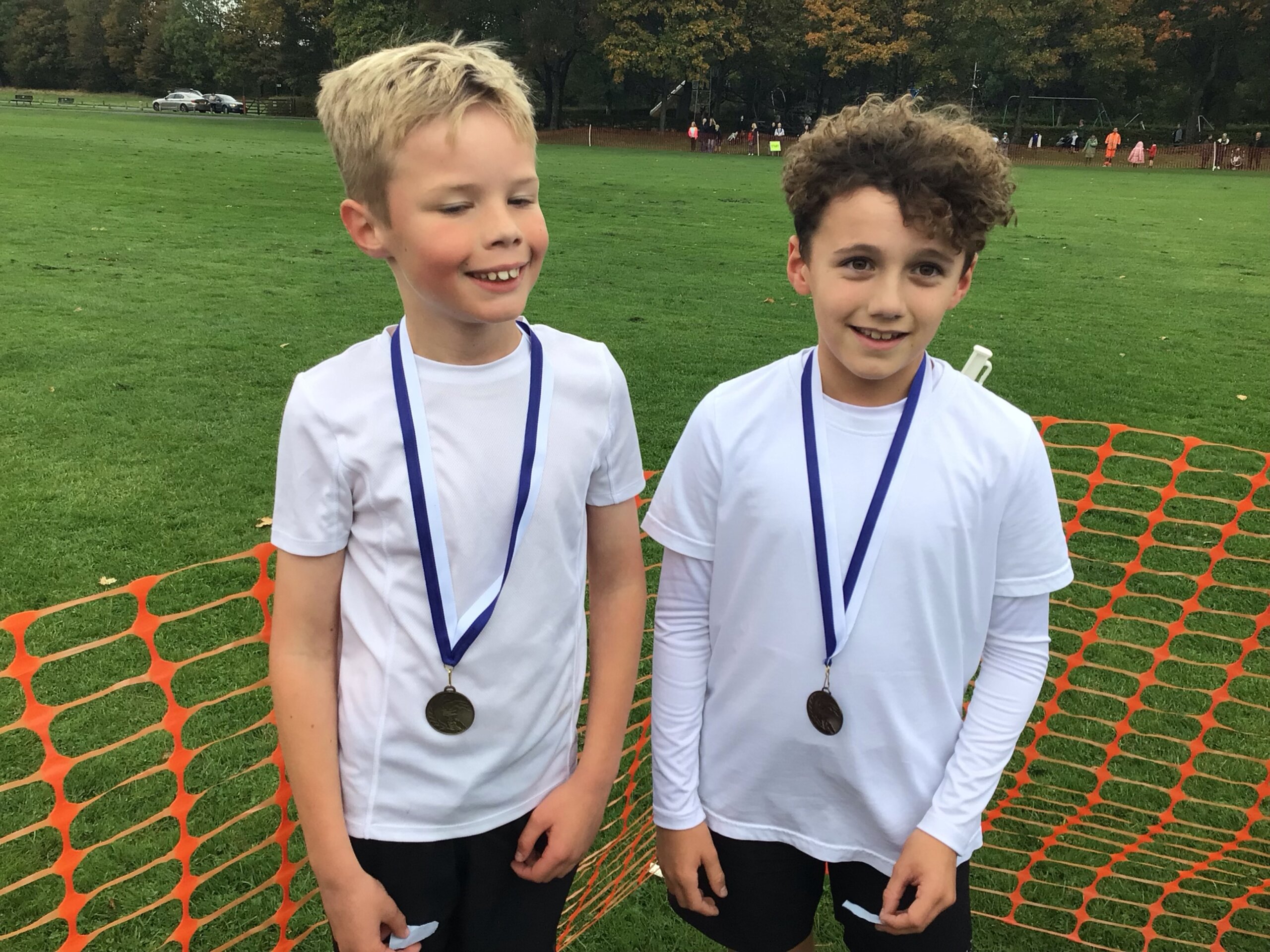
Y5 and Y6 Cross-country
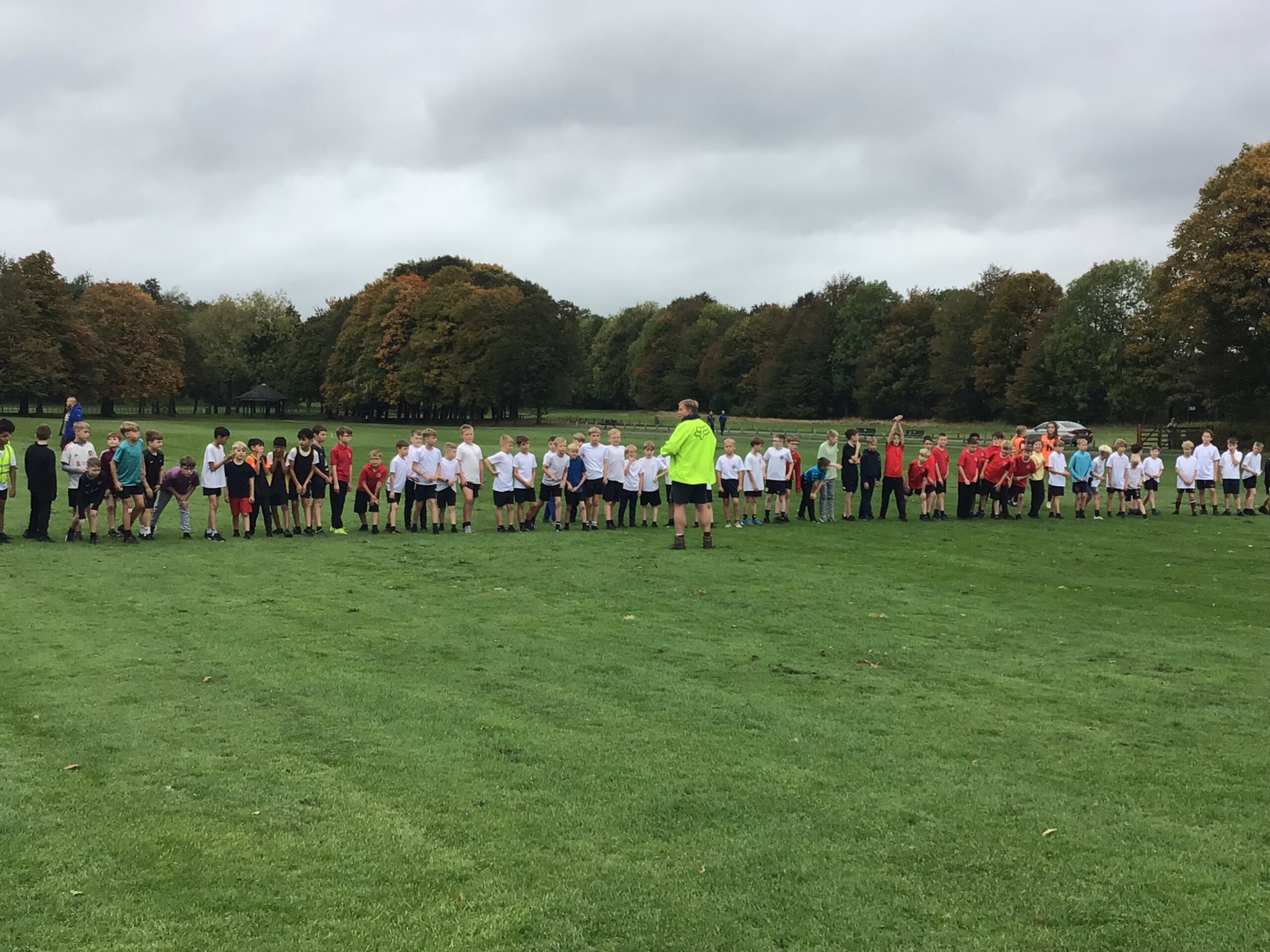
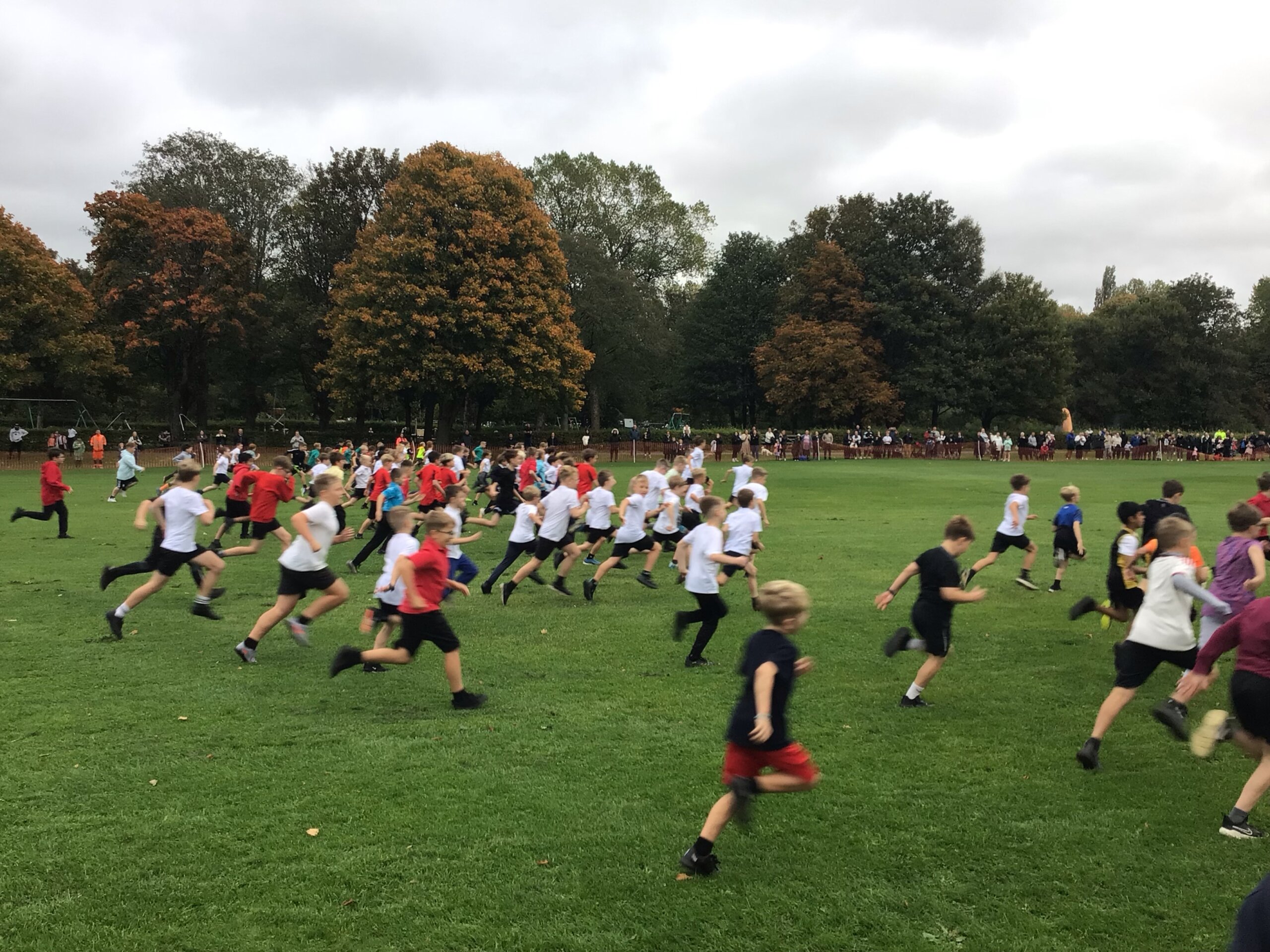
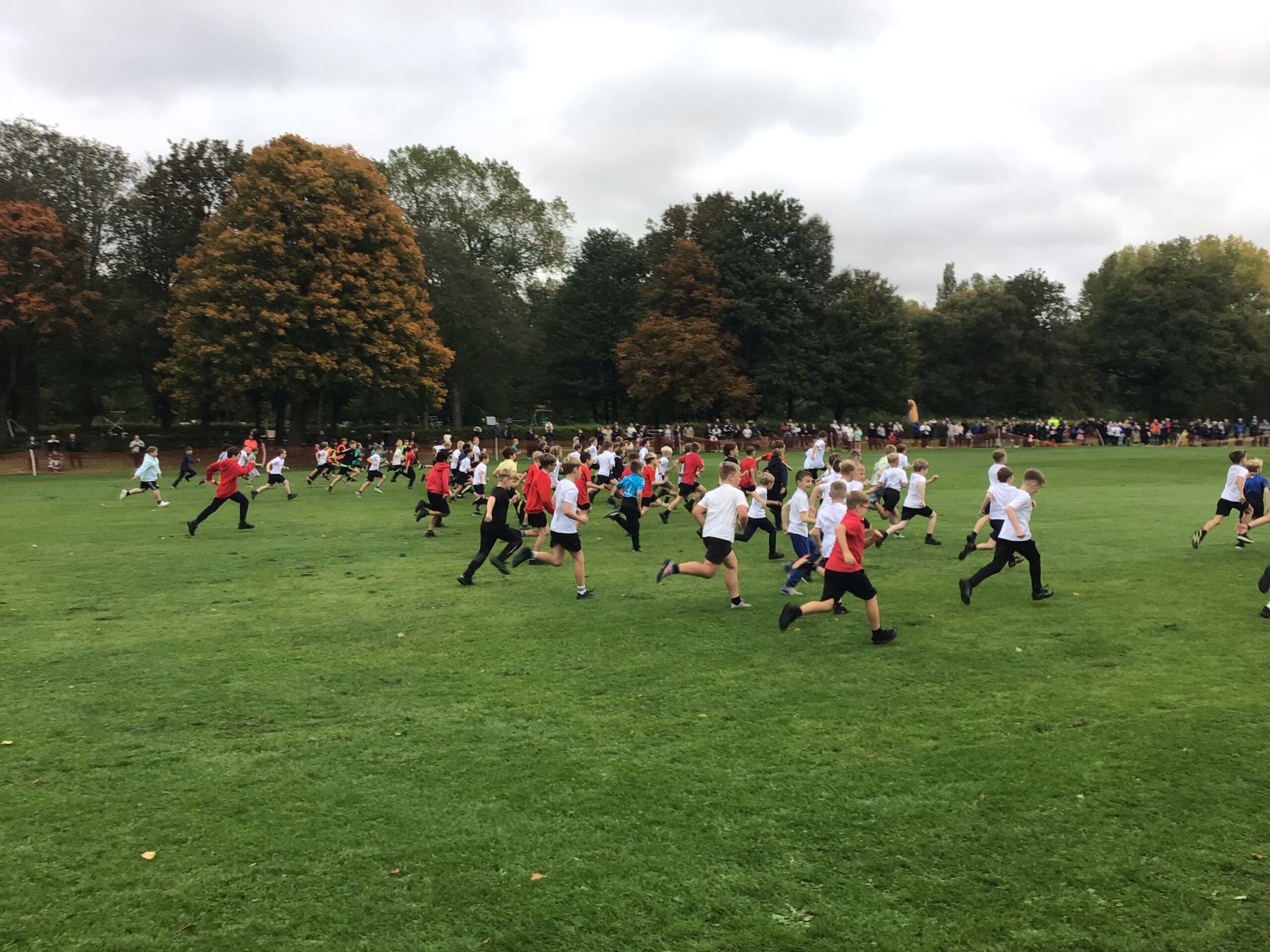
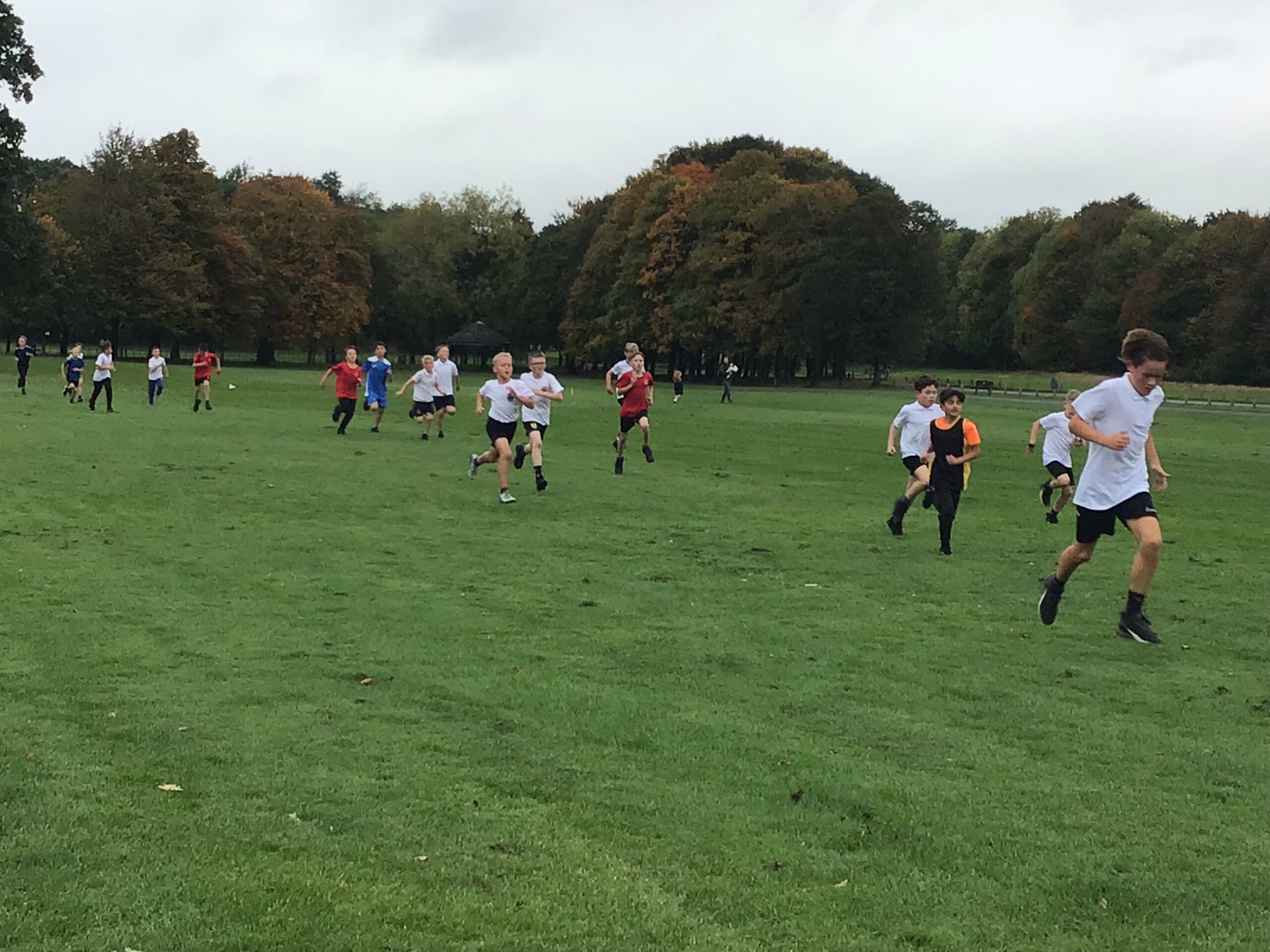
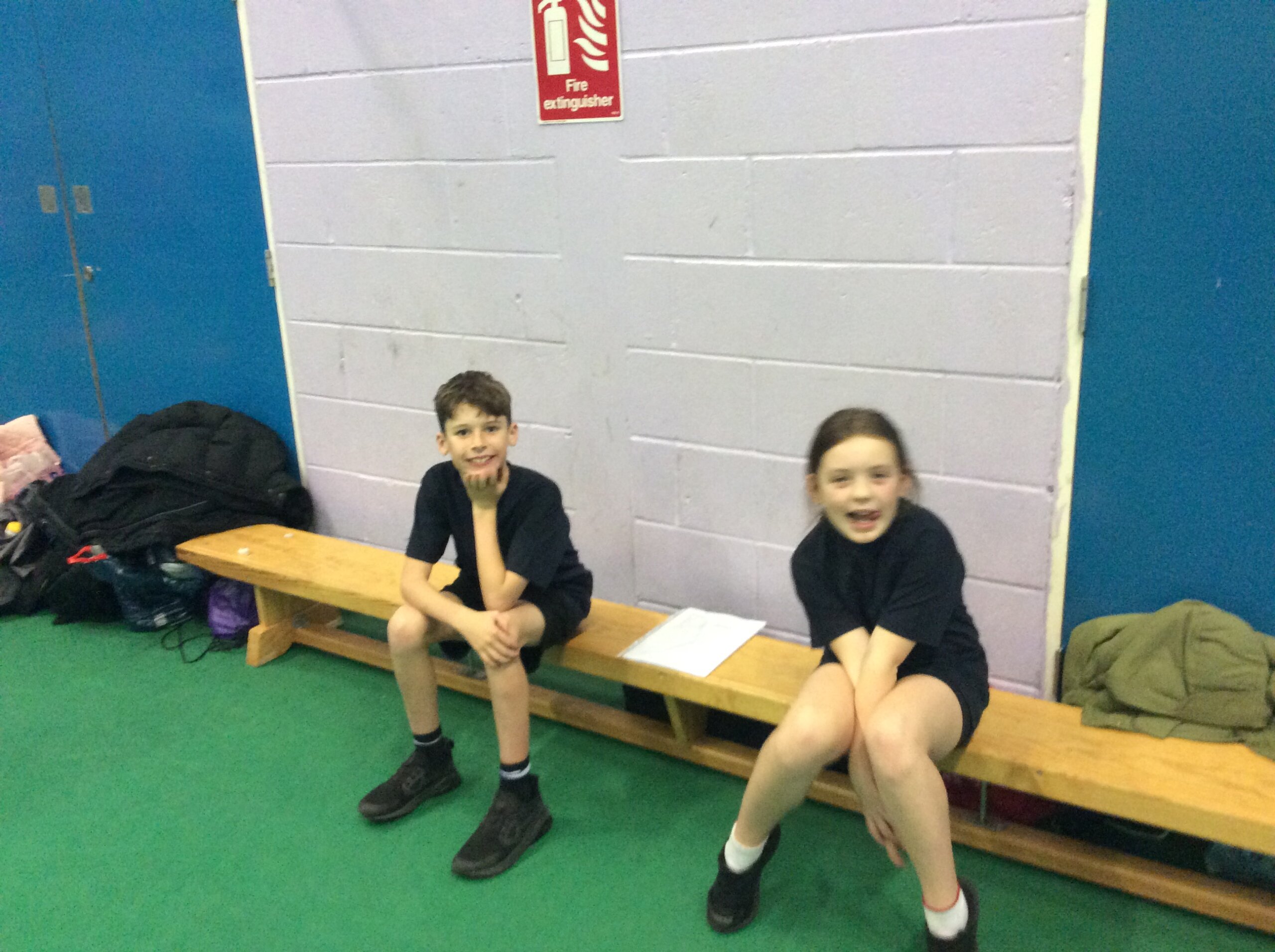
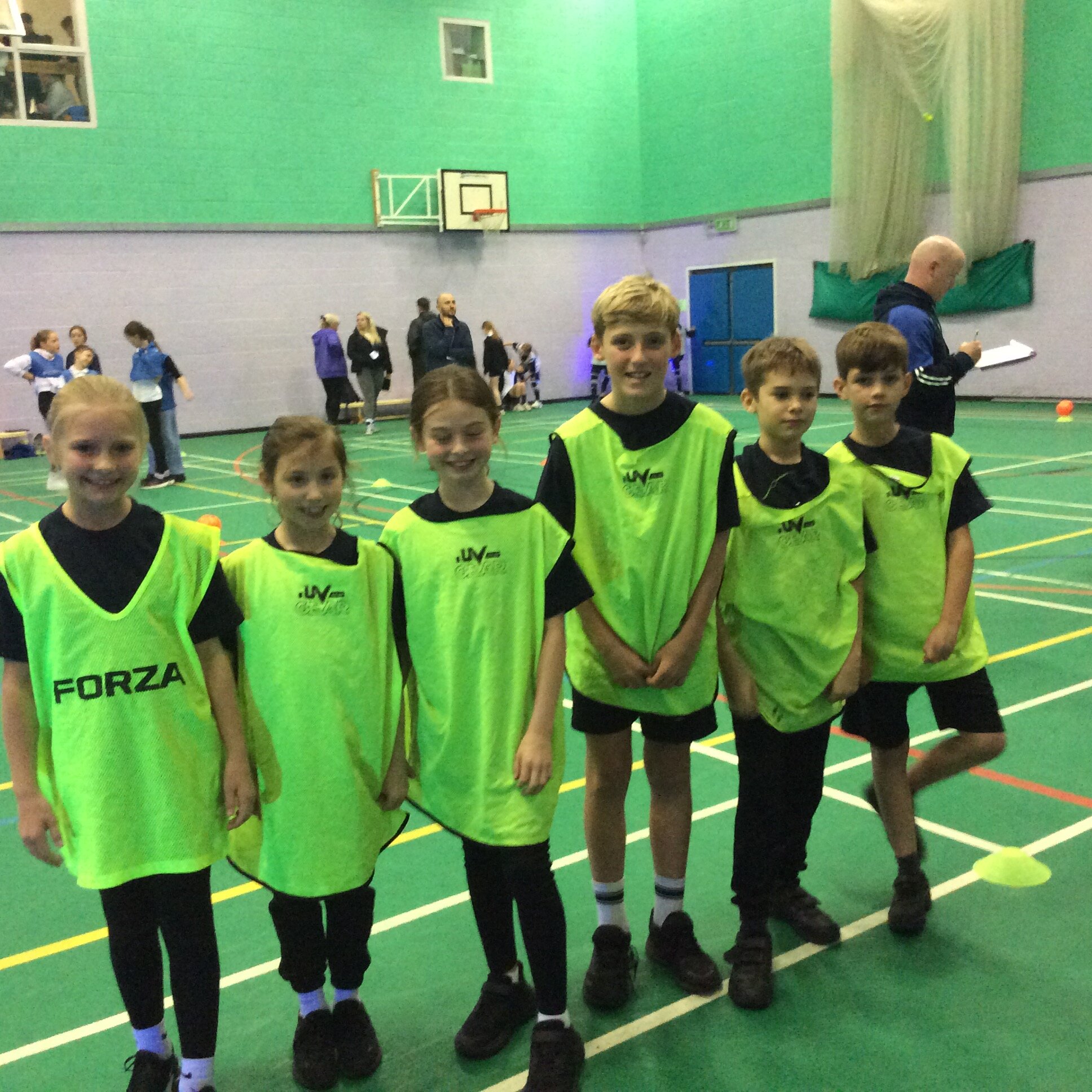
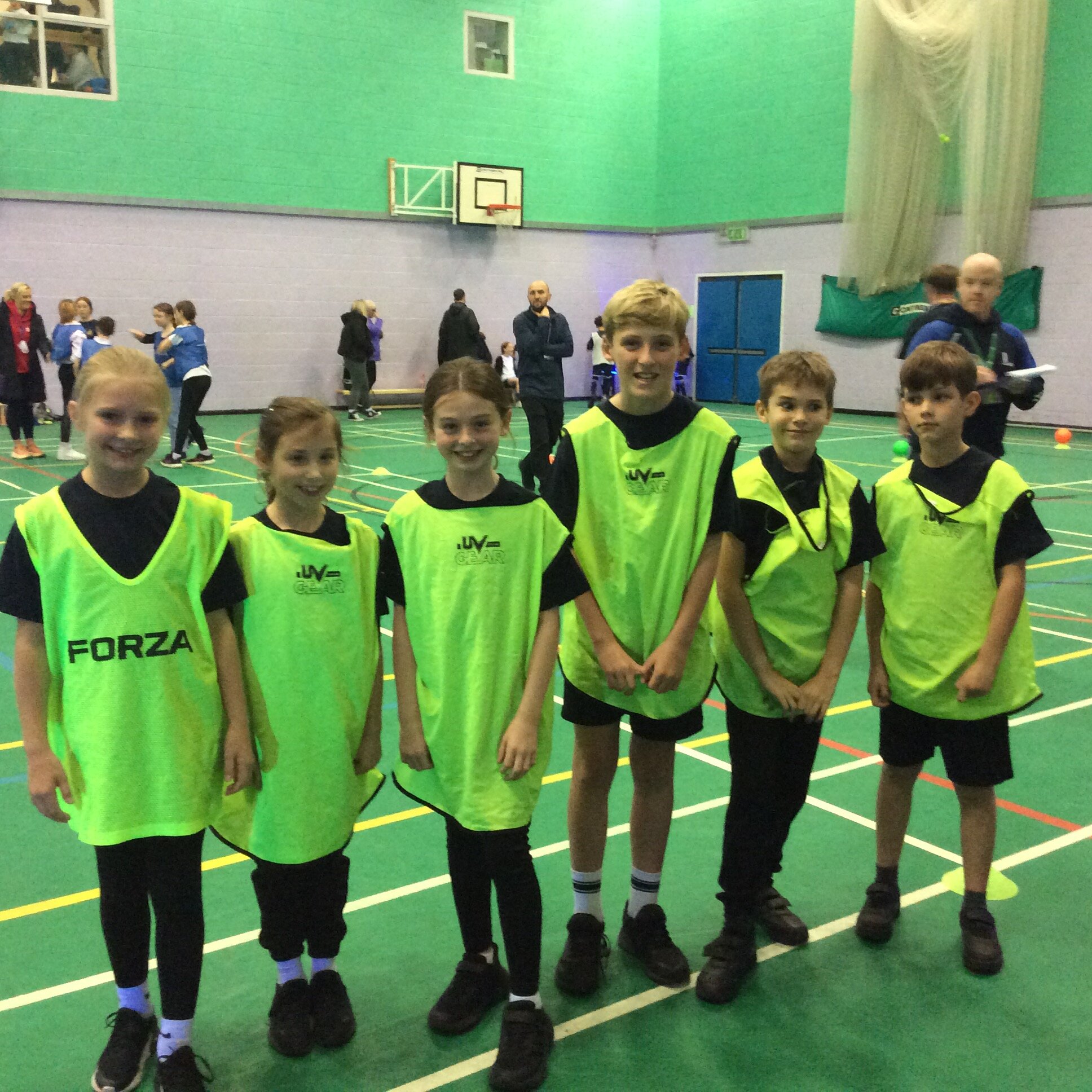
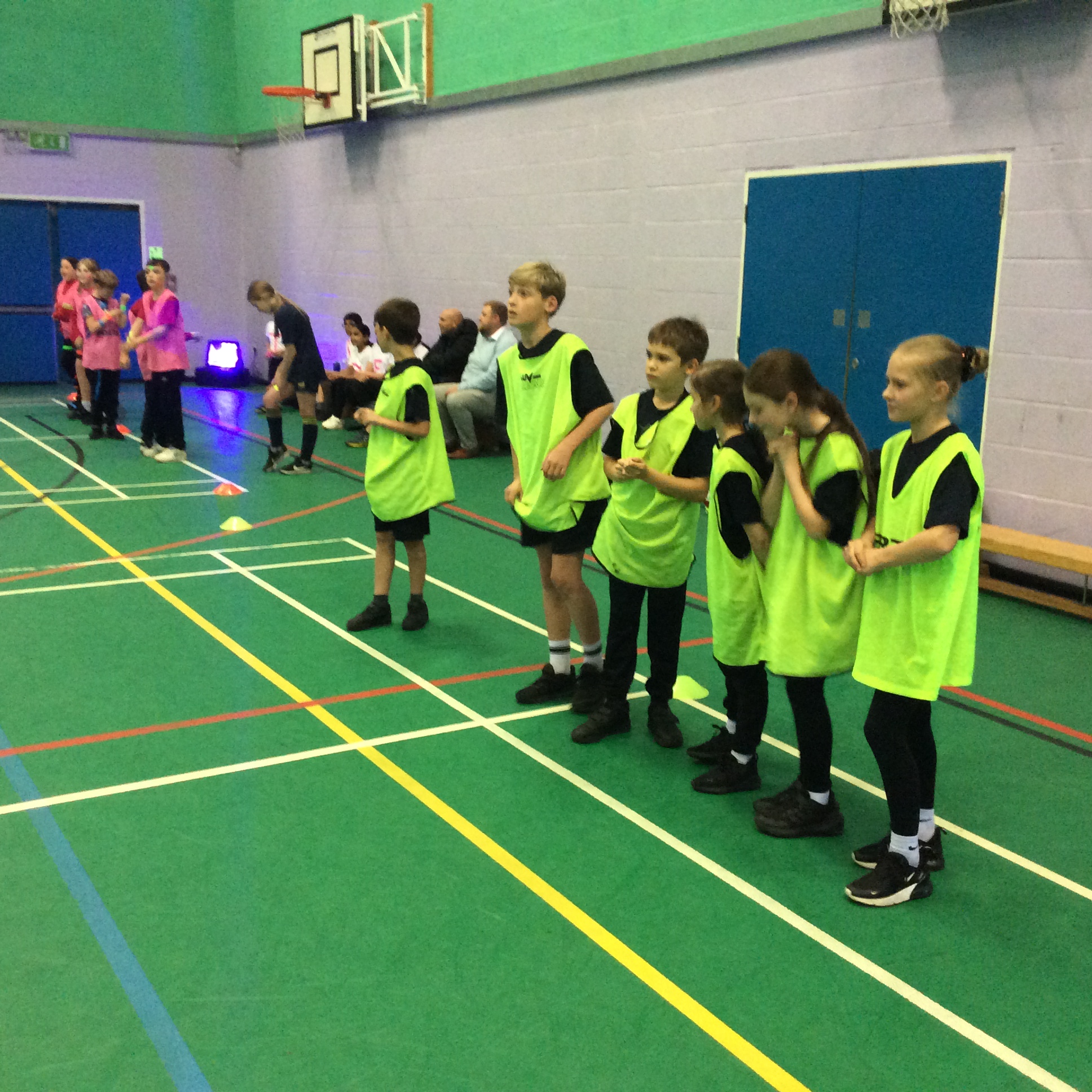
Y5 Glo-Dodgeball
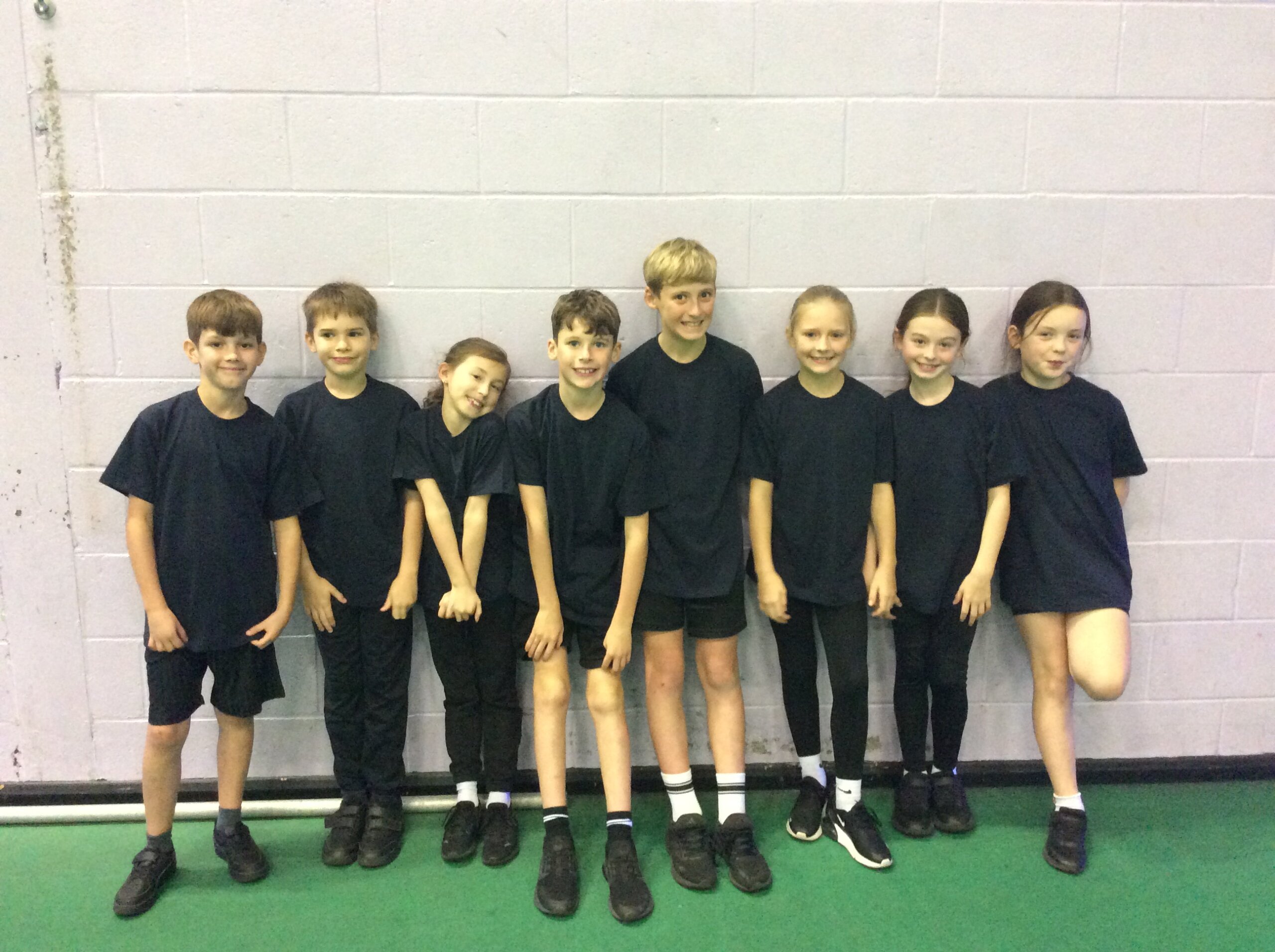
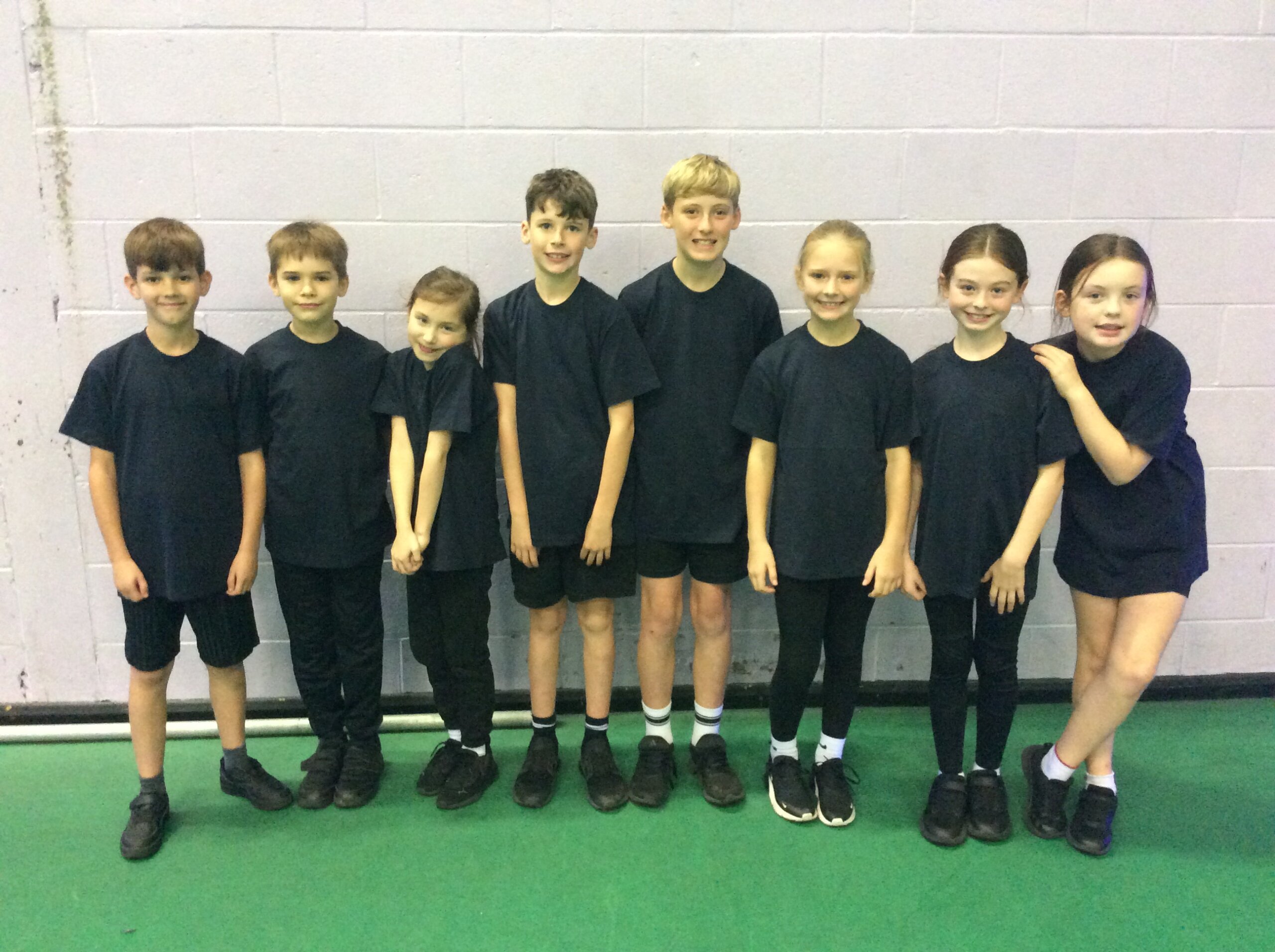
KS1 Target Festival
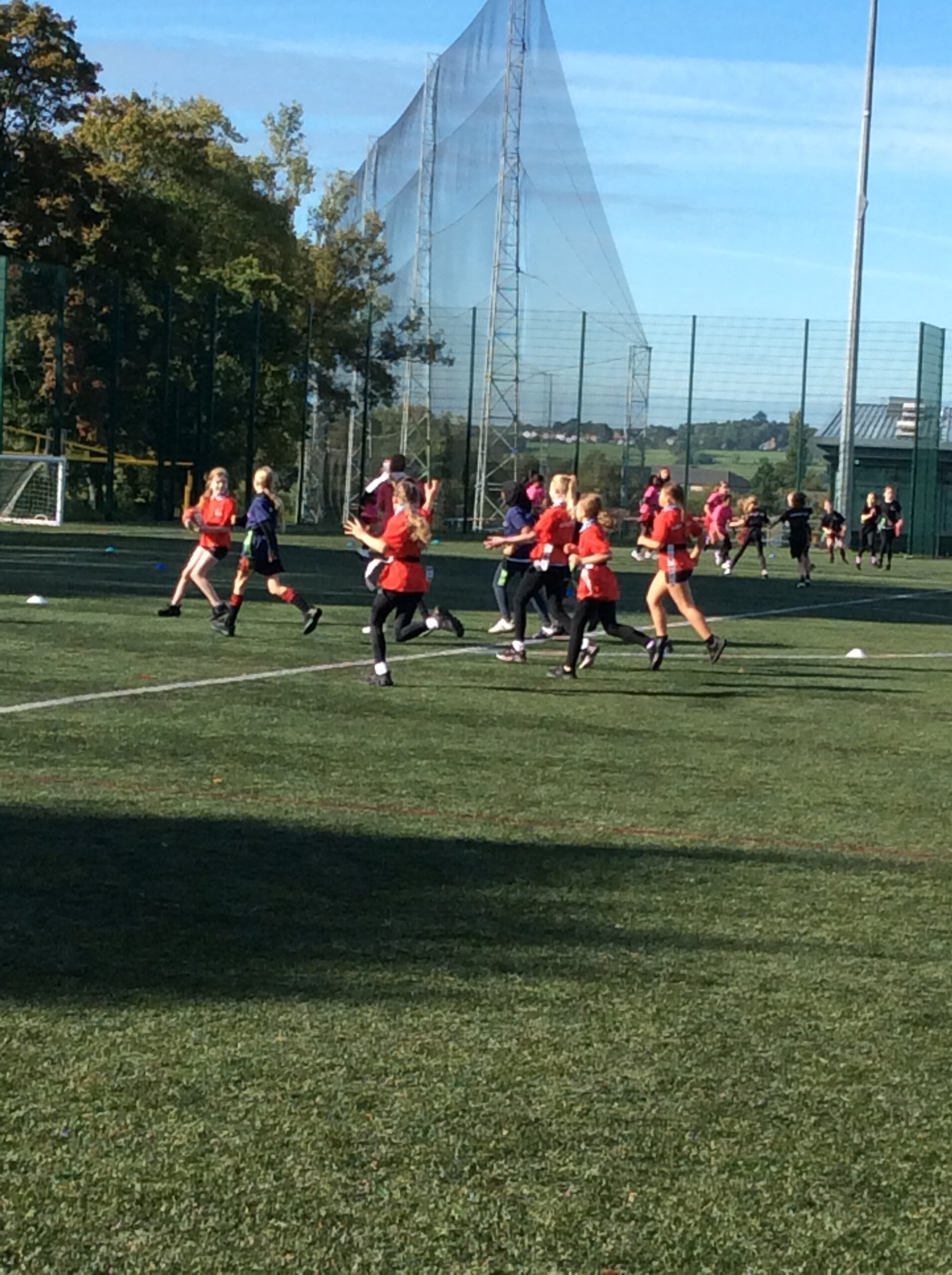
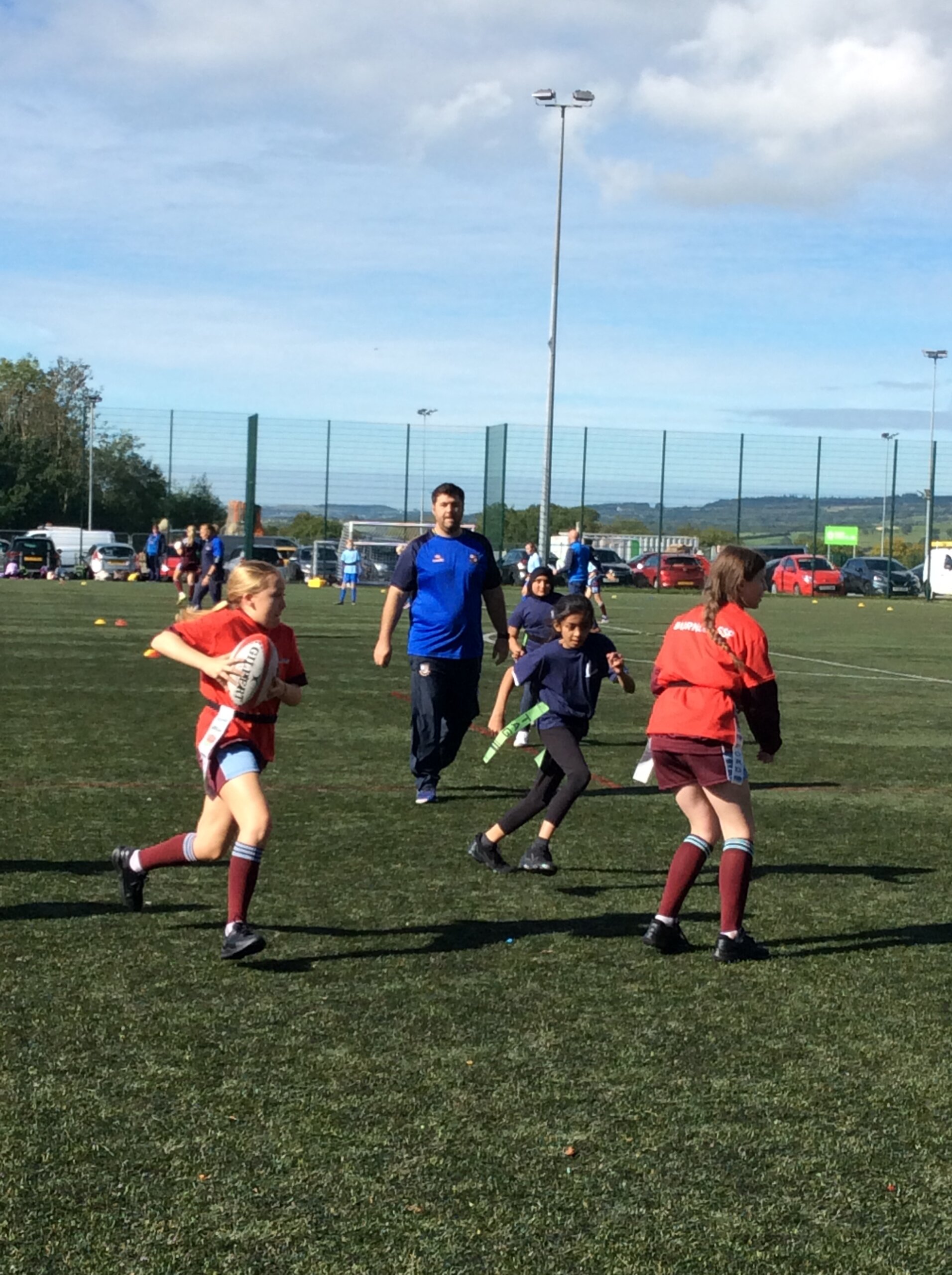
Year 6 Boys Touch Rugby
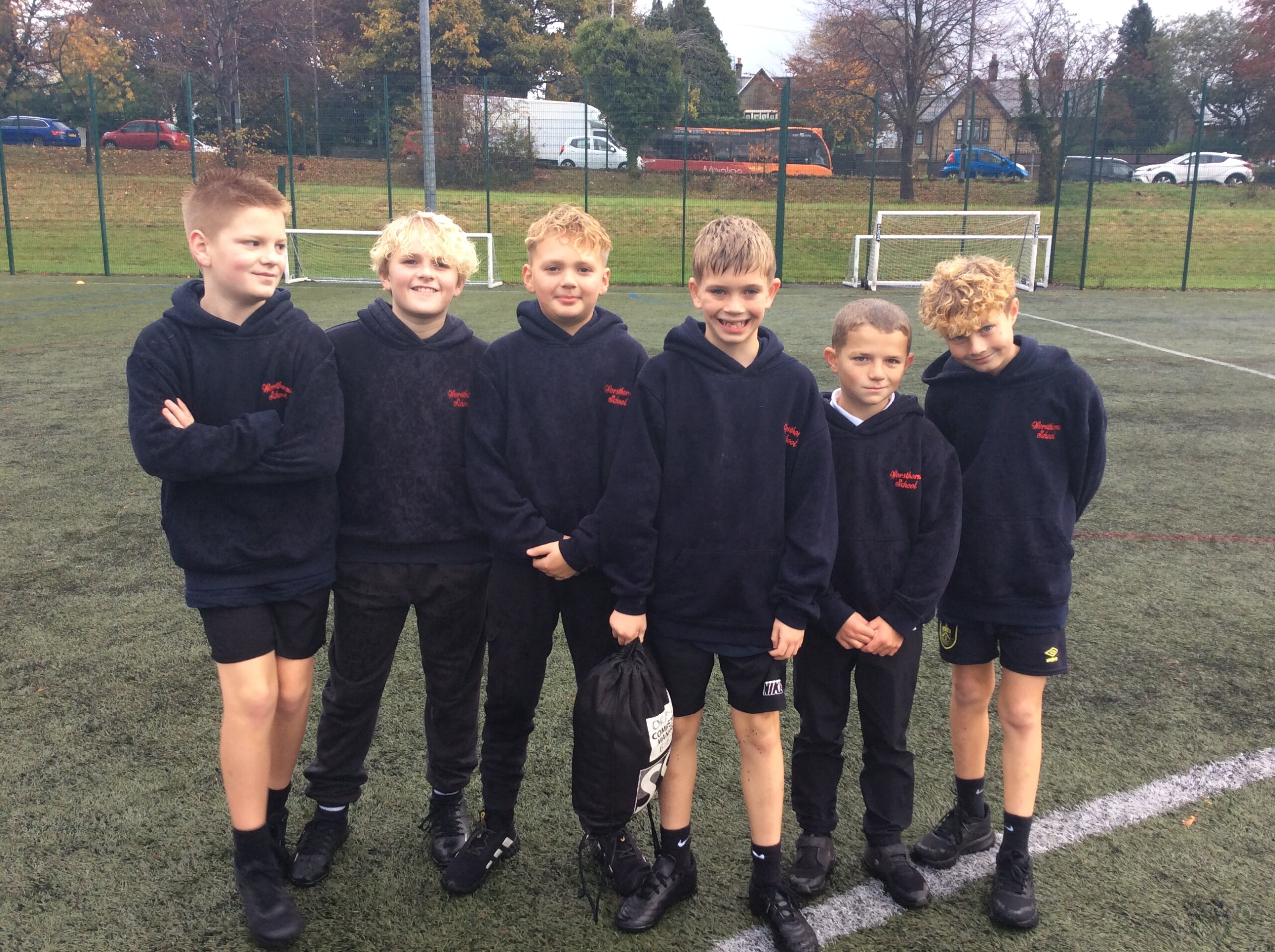
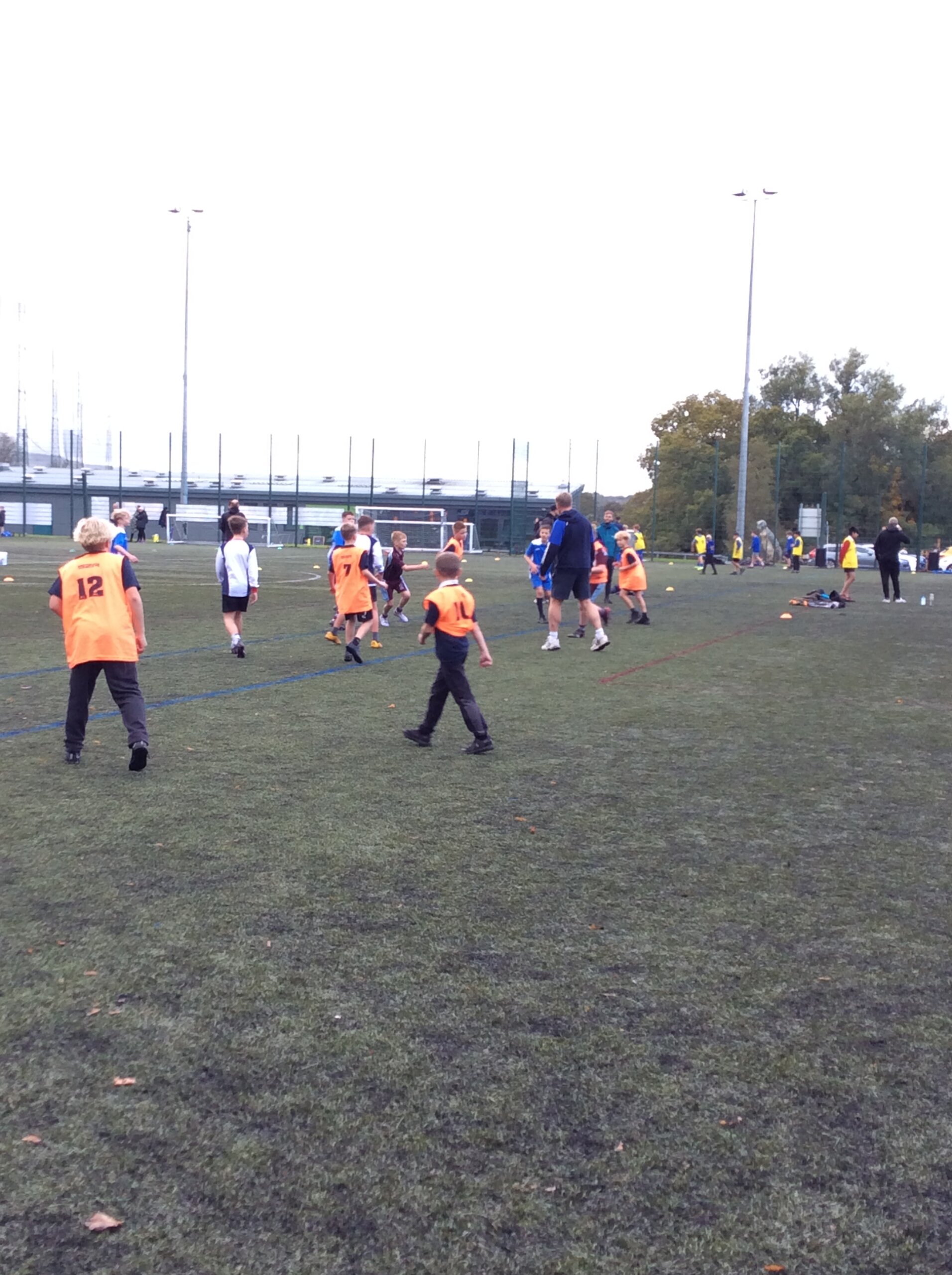
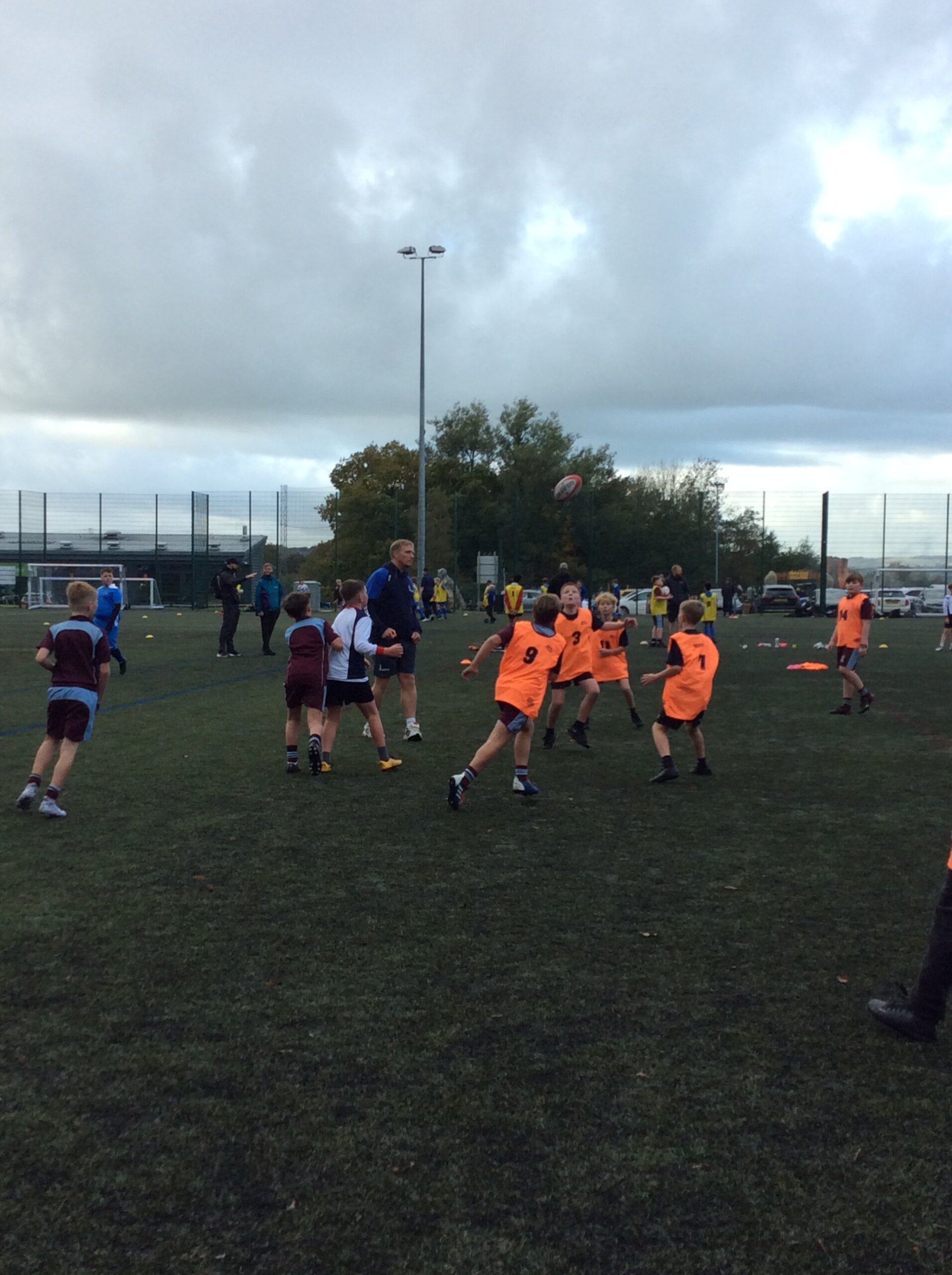
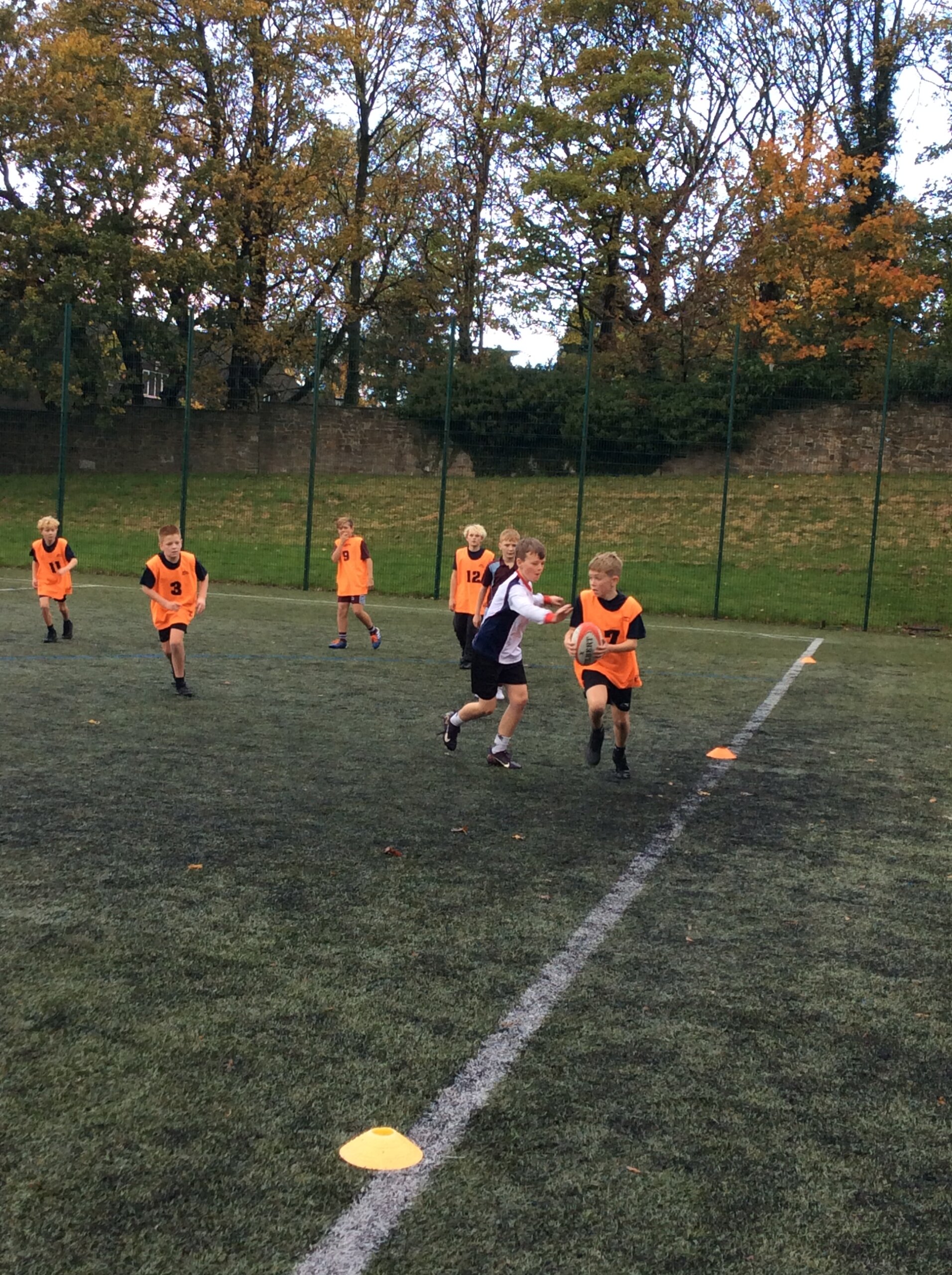
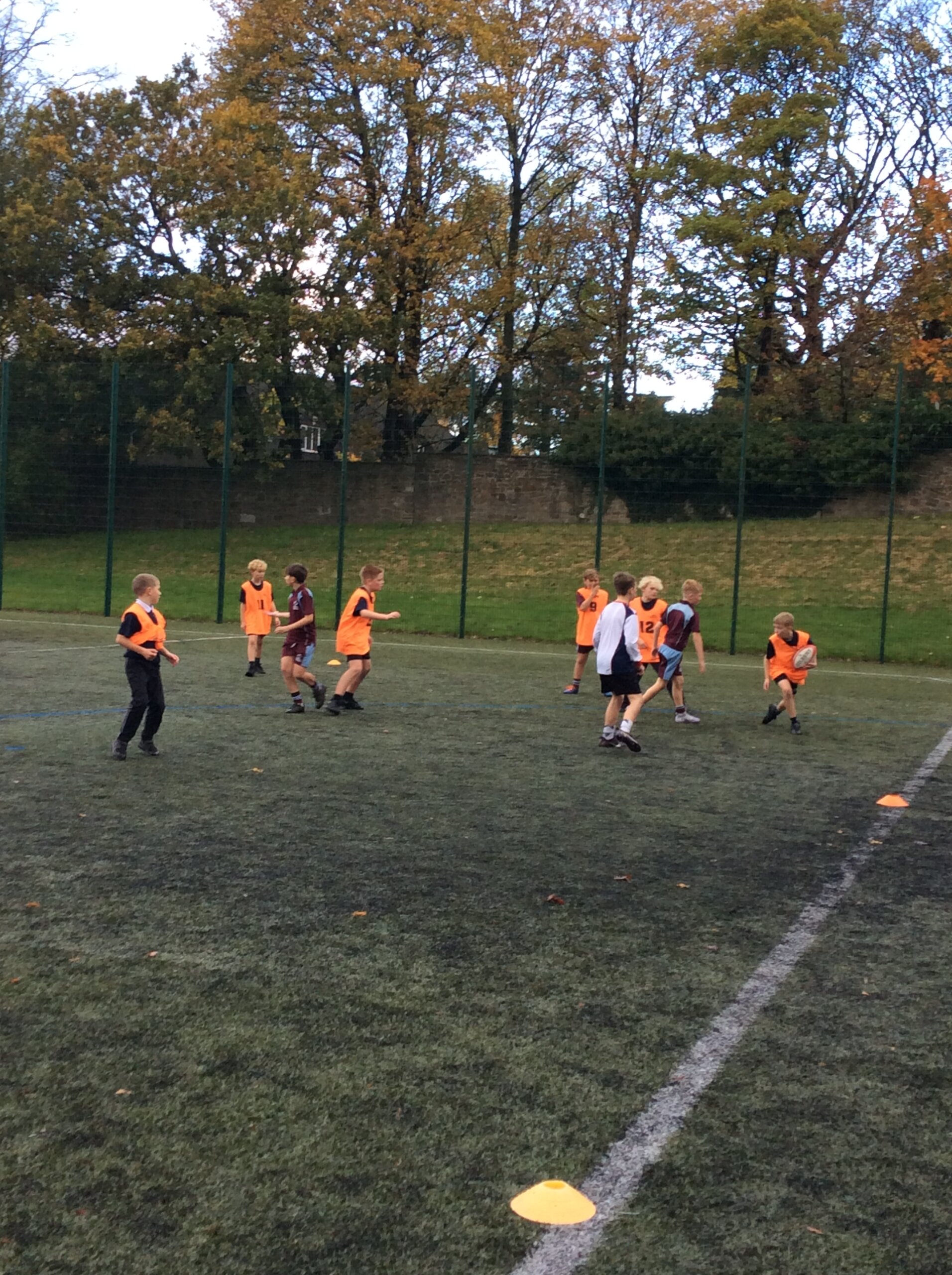
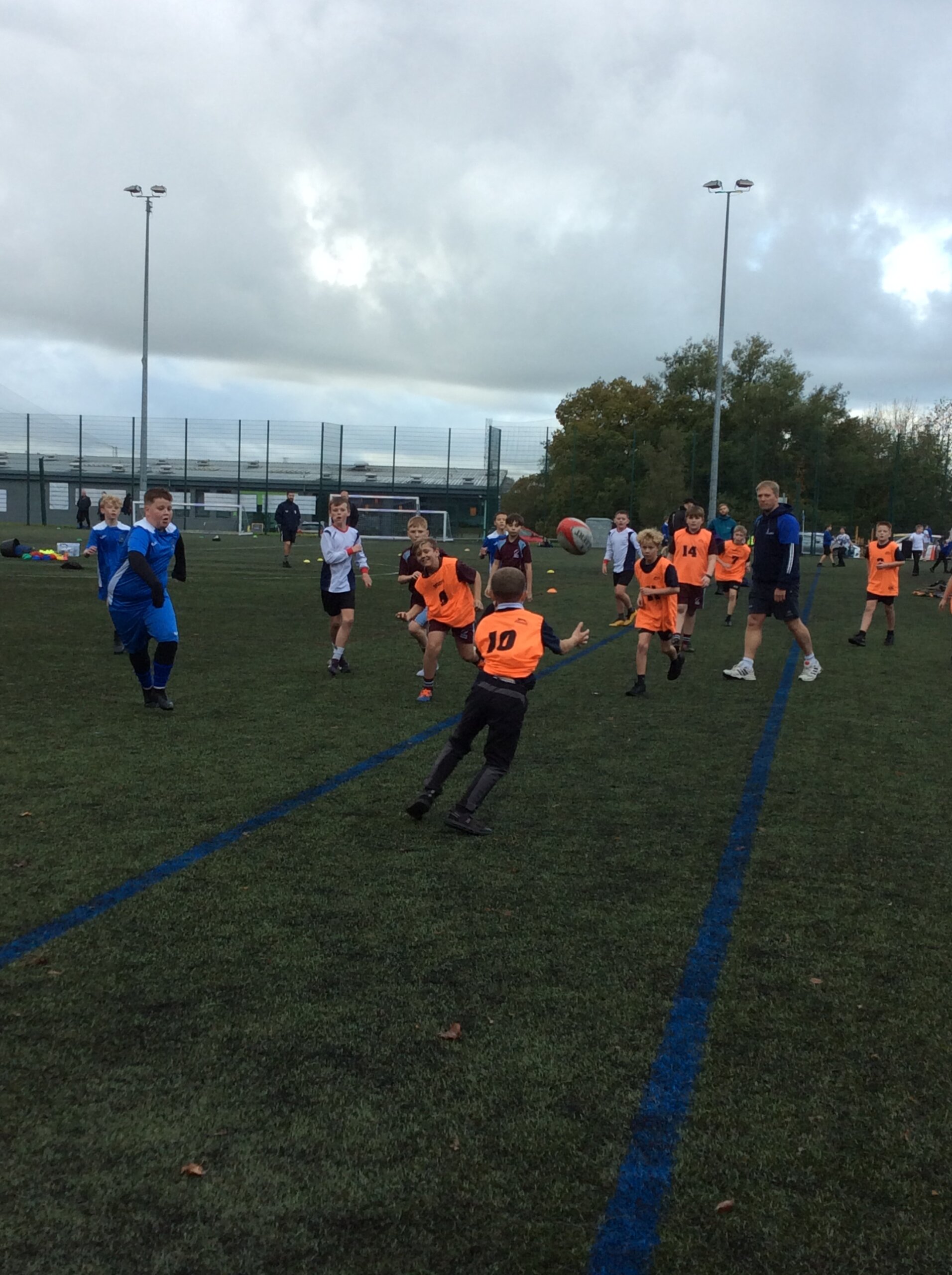
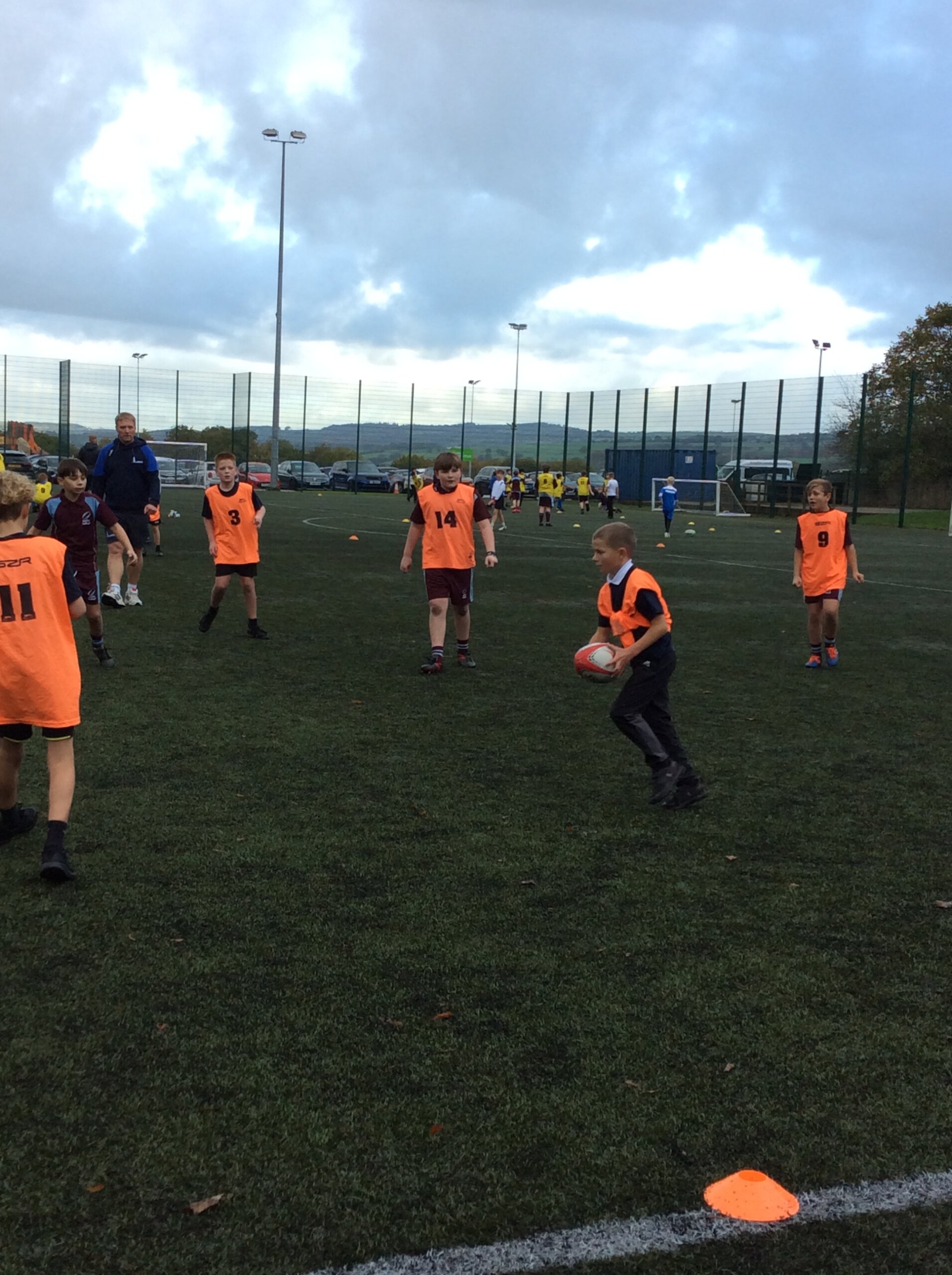
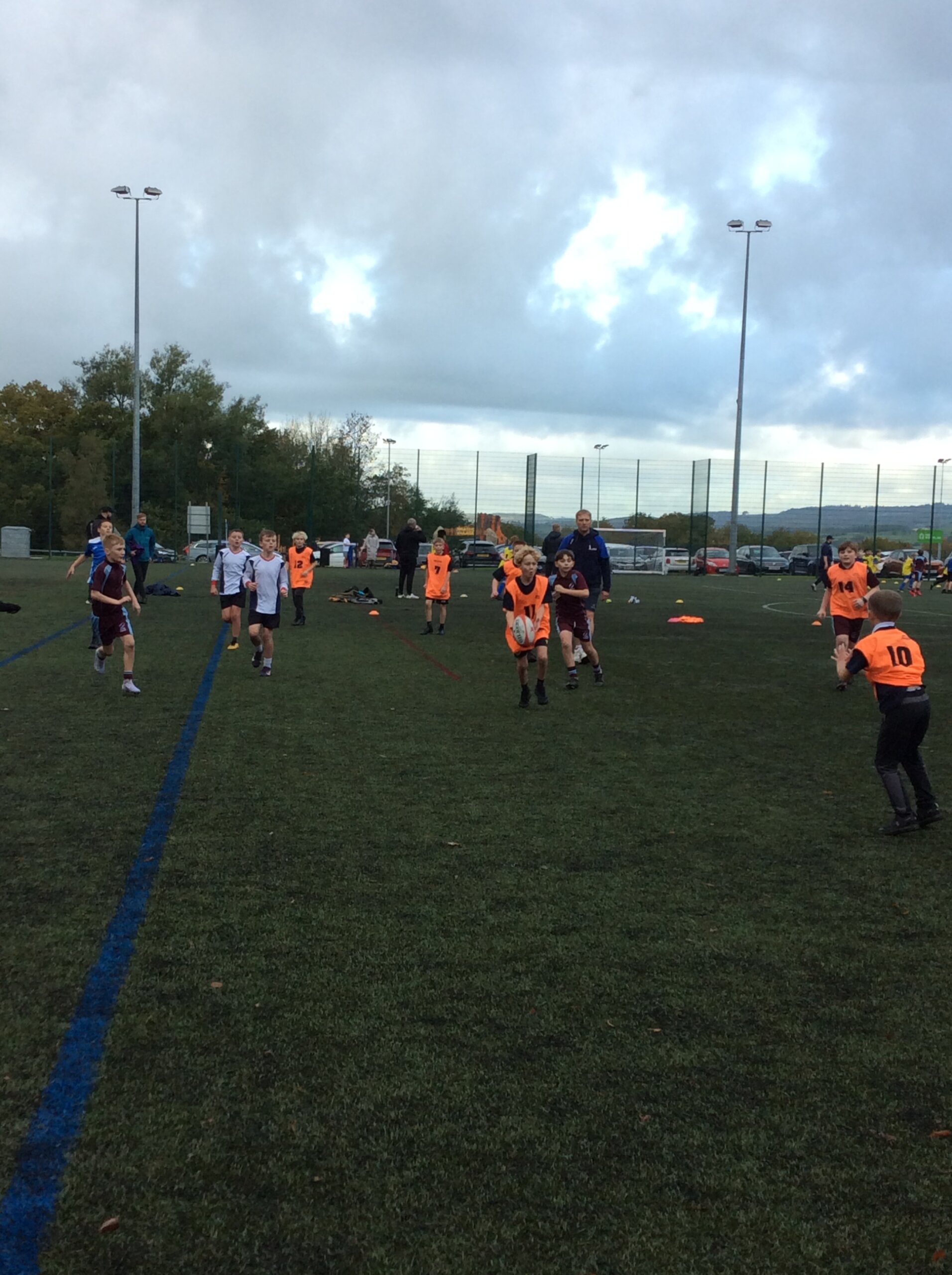
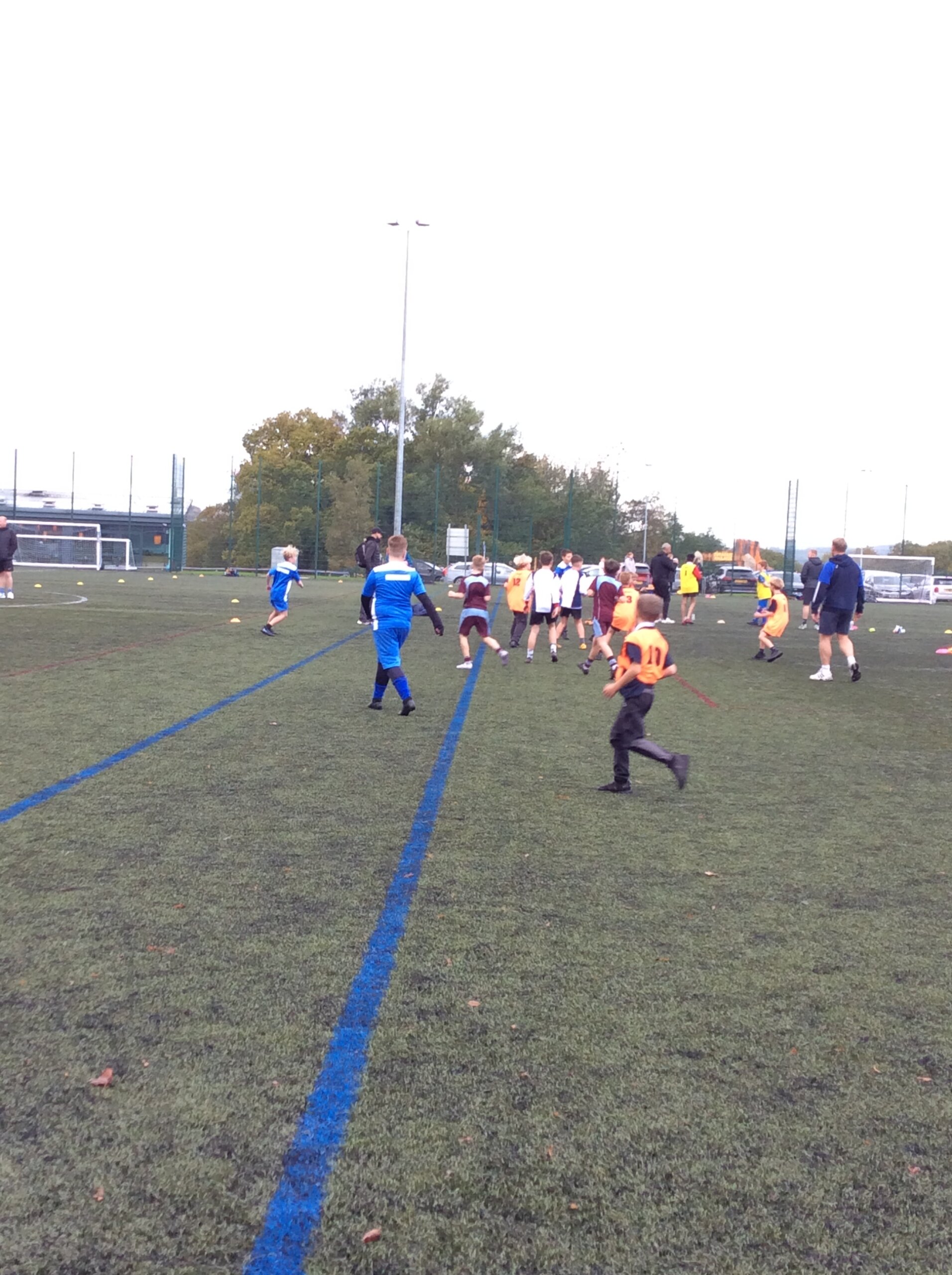
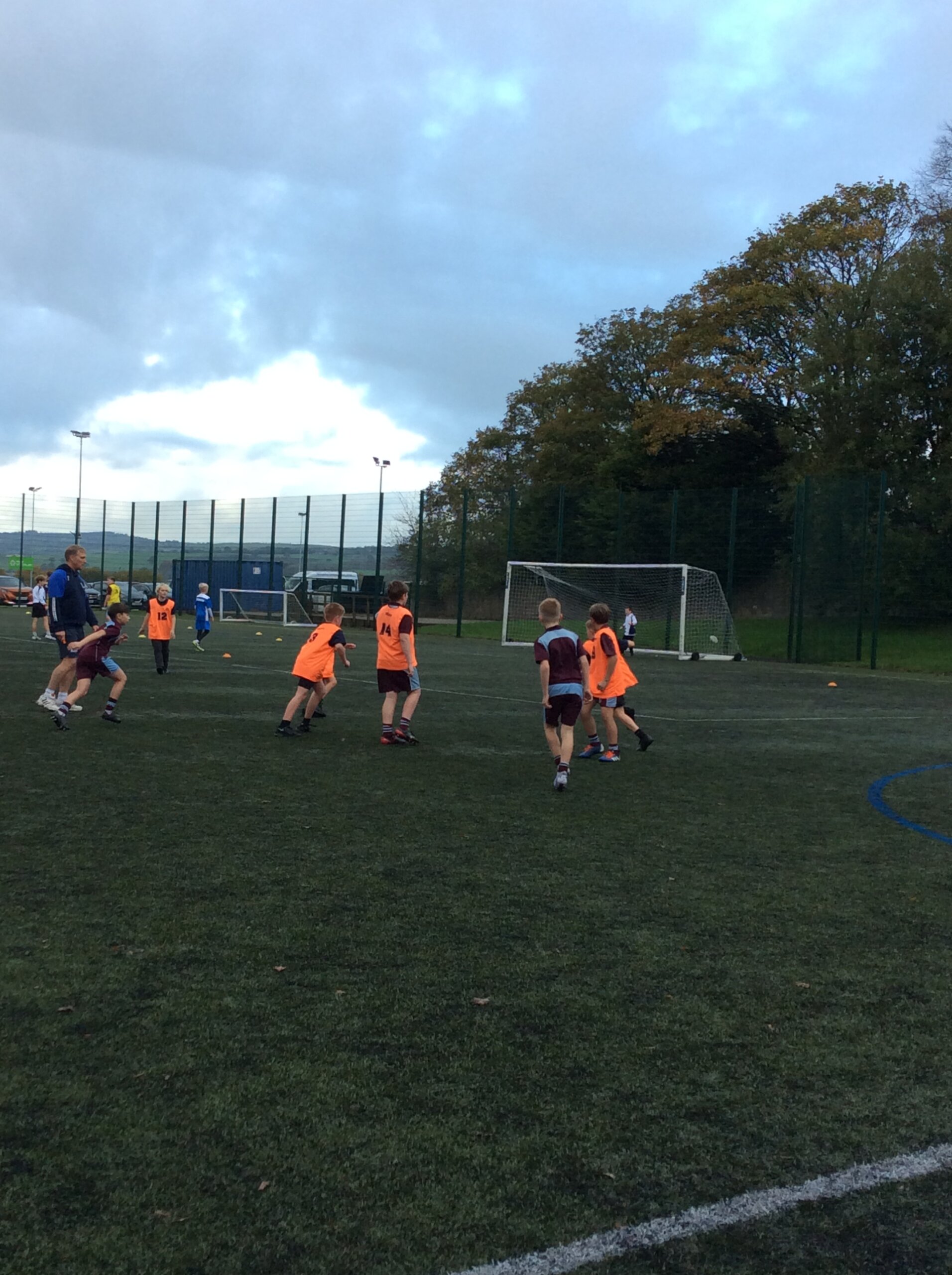
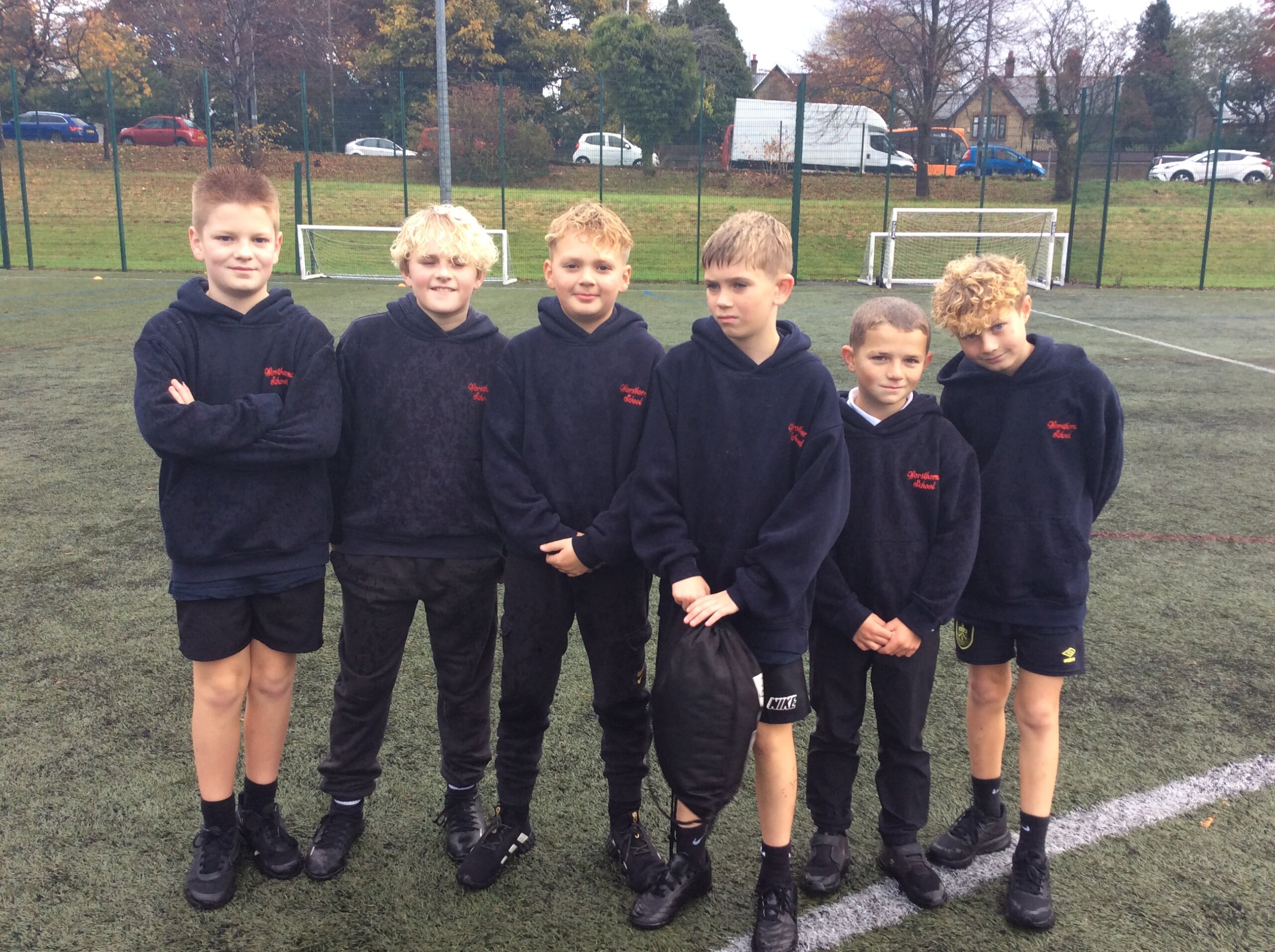
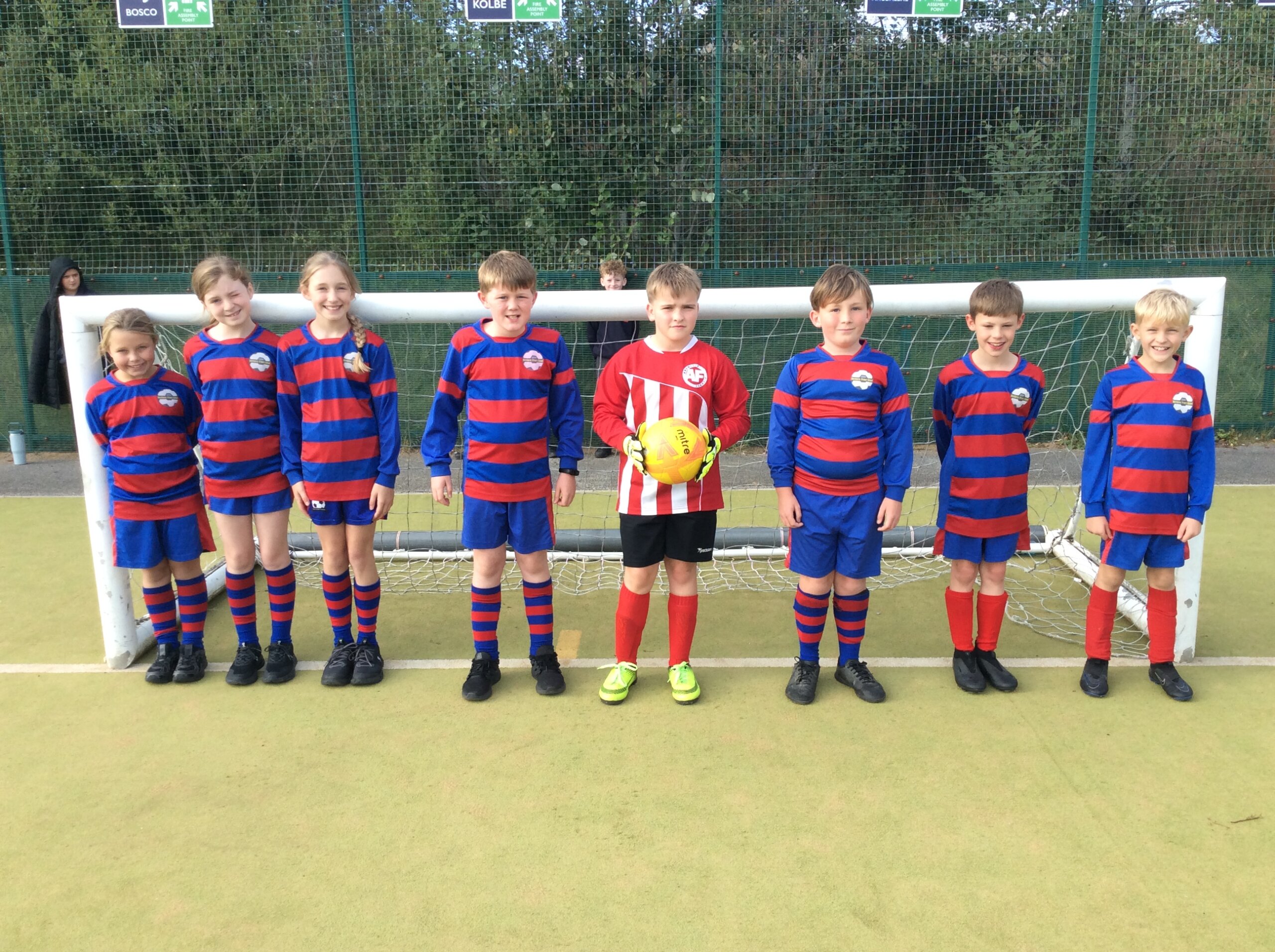
LSFA Under 11s Boys Football Tournament at Burnley College.
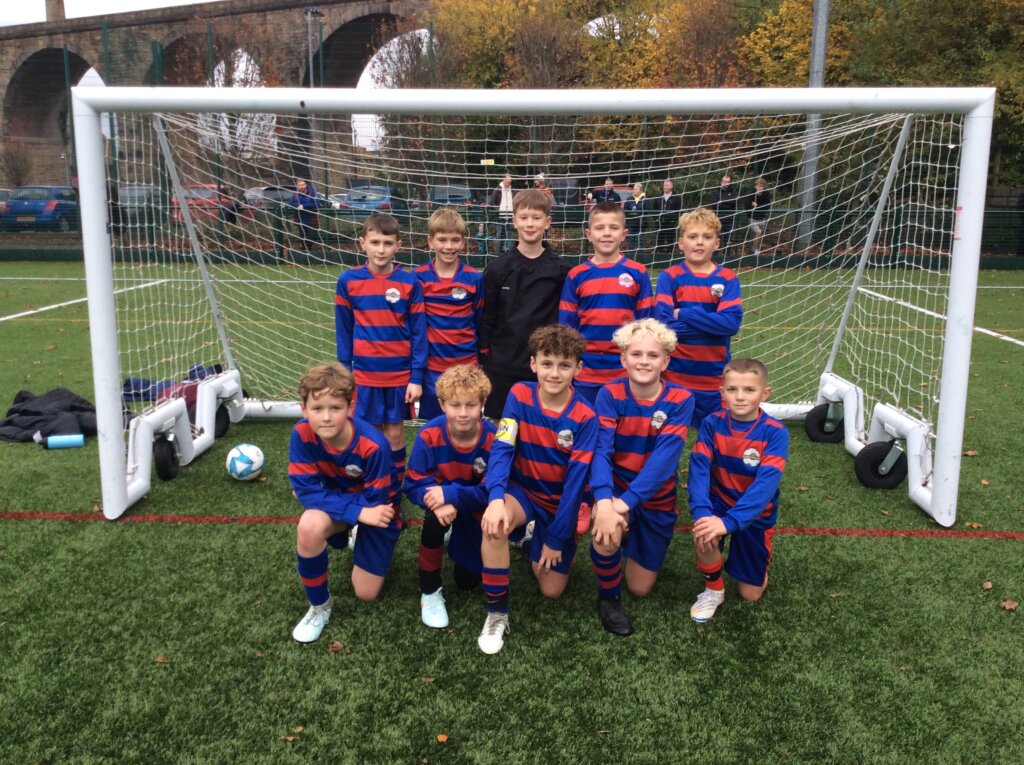
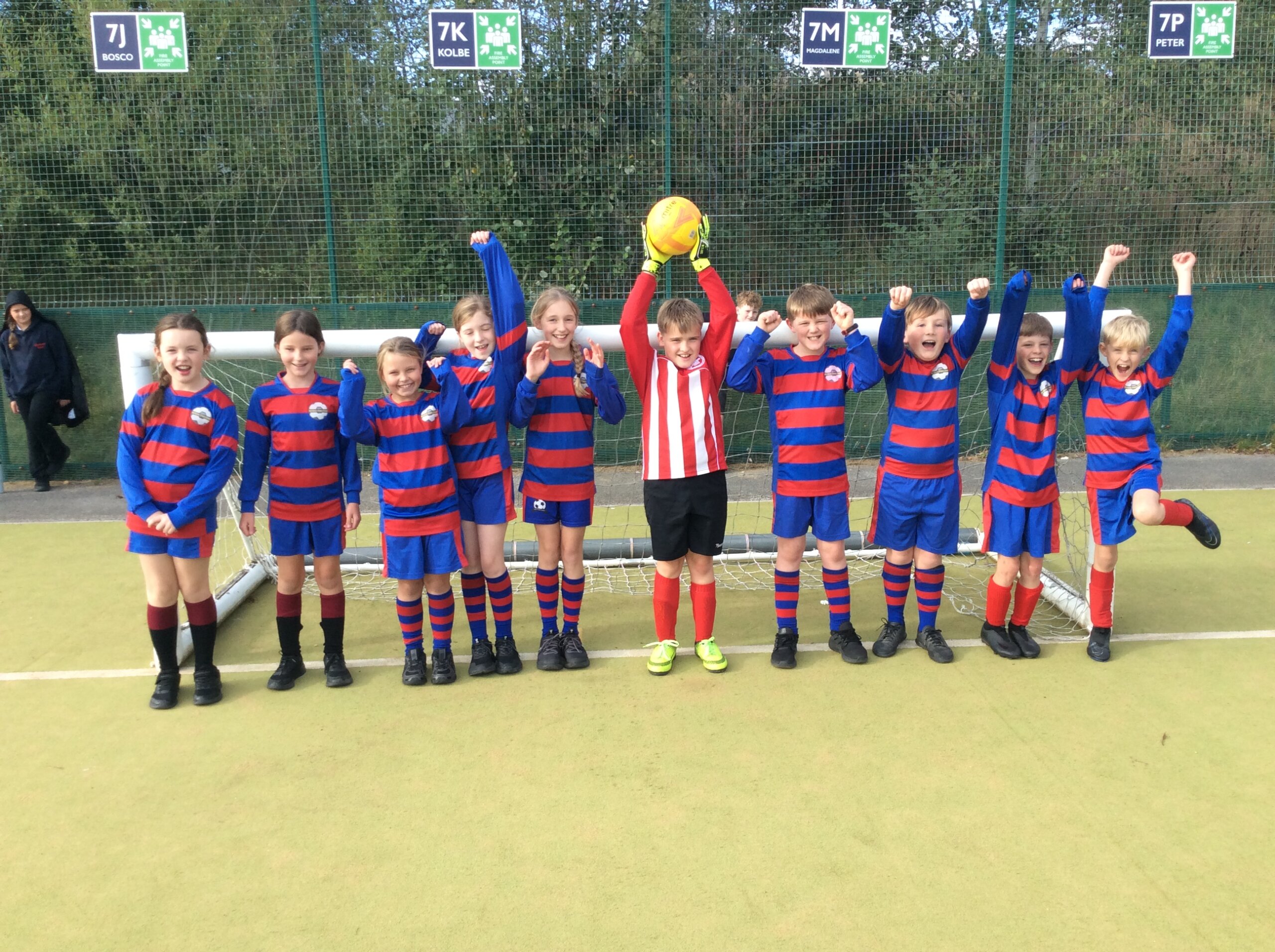
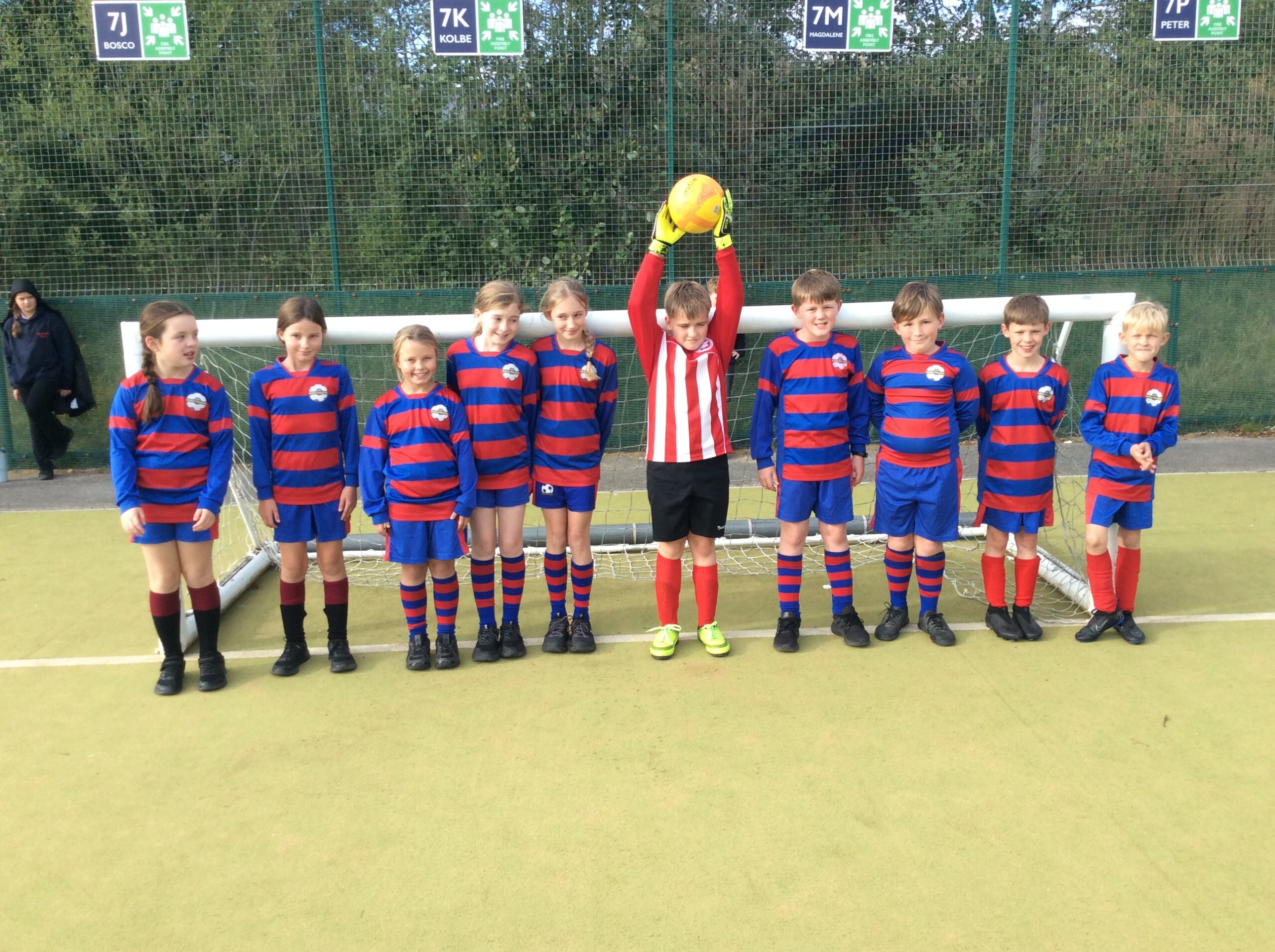
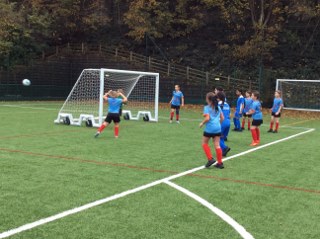
LSFA Under 11s Girls Football Tournament at Burnley College.
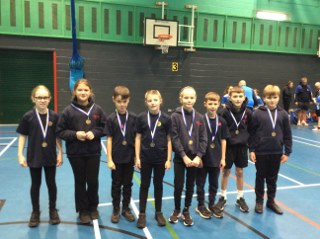
Y5 and Y6 Athletics at St Peters Centre
Hartley Cup – Worsthorne 5 Heasandford 1
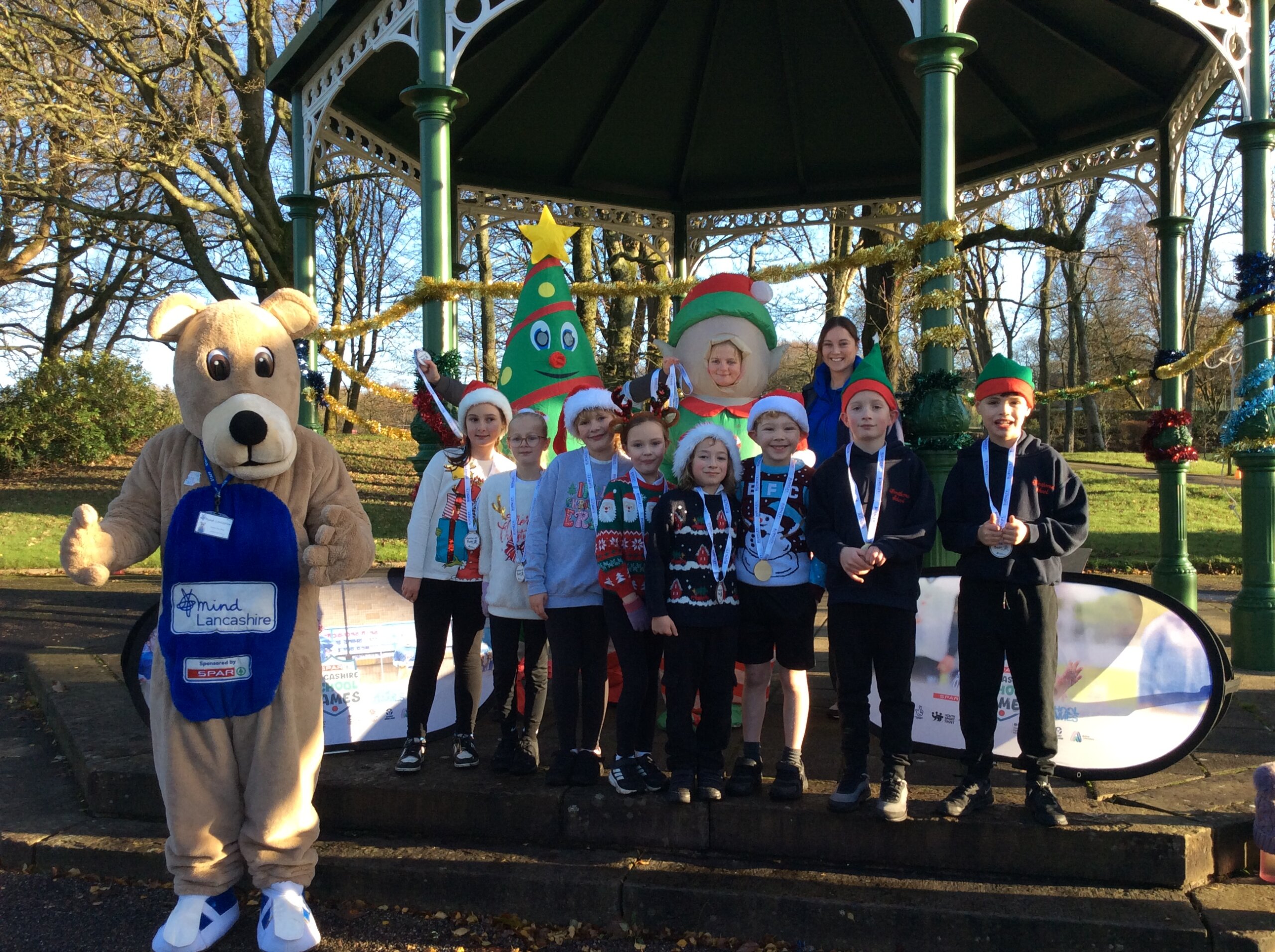
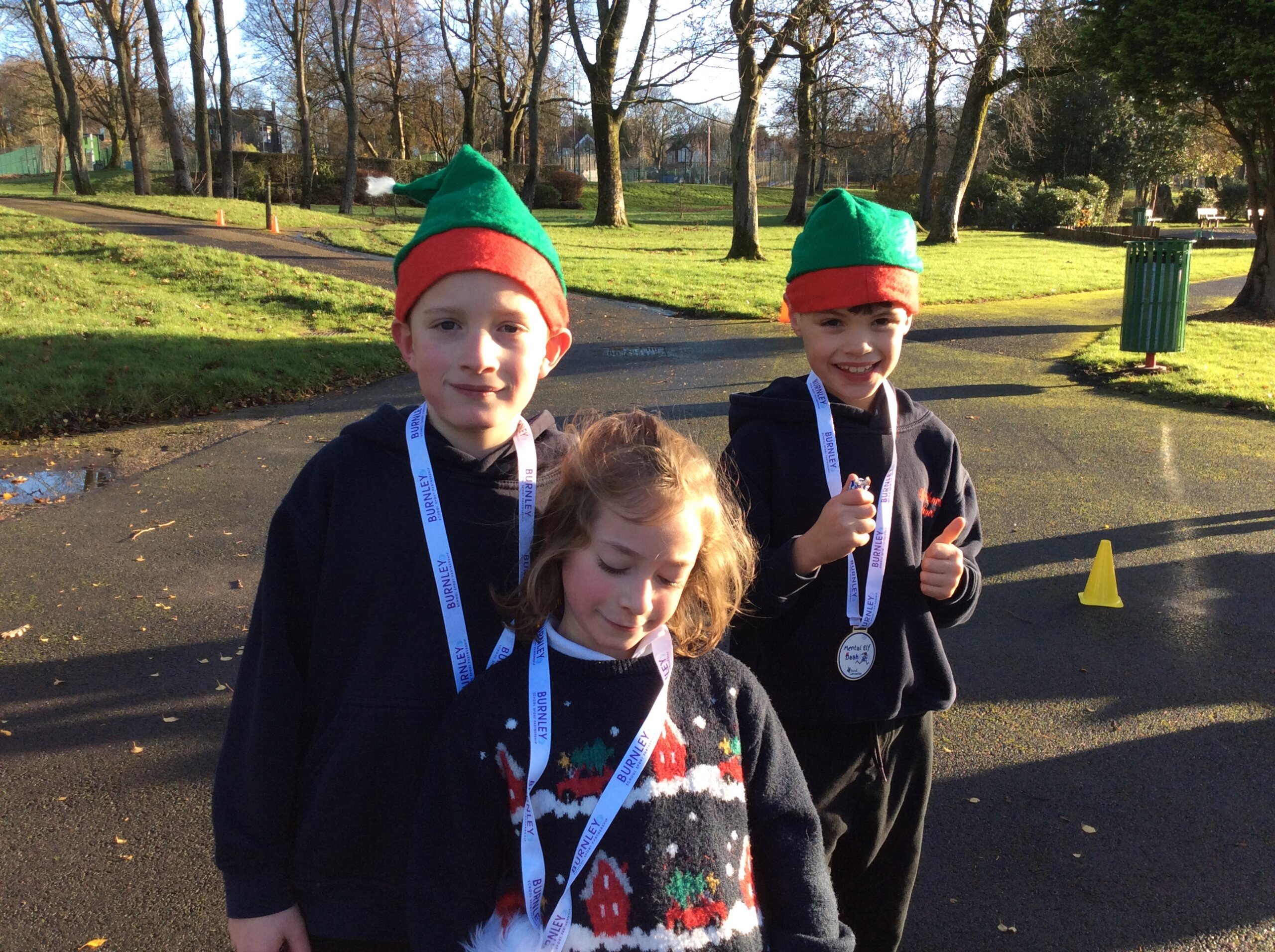
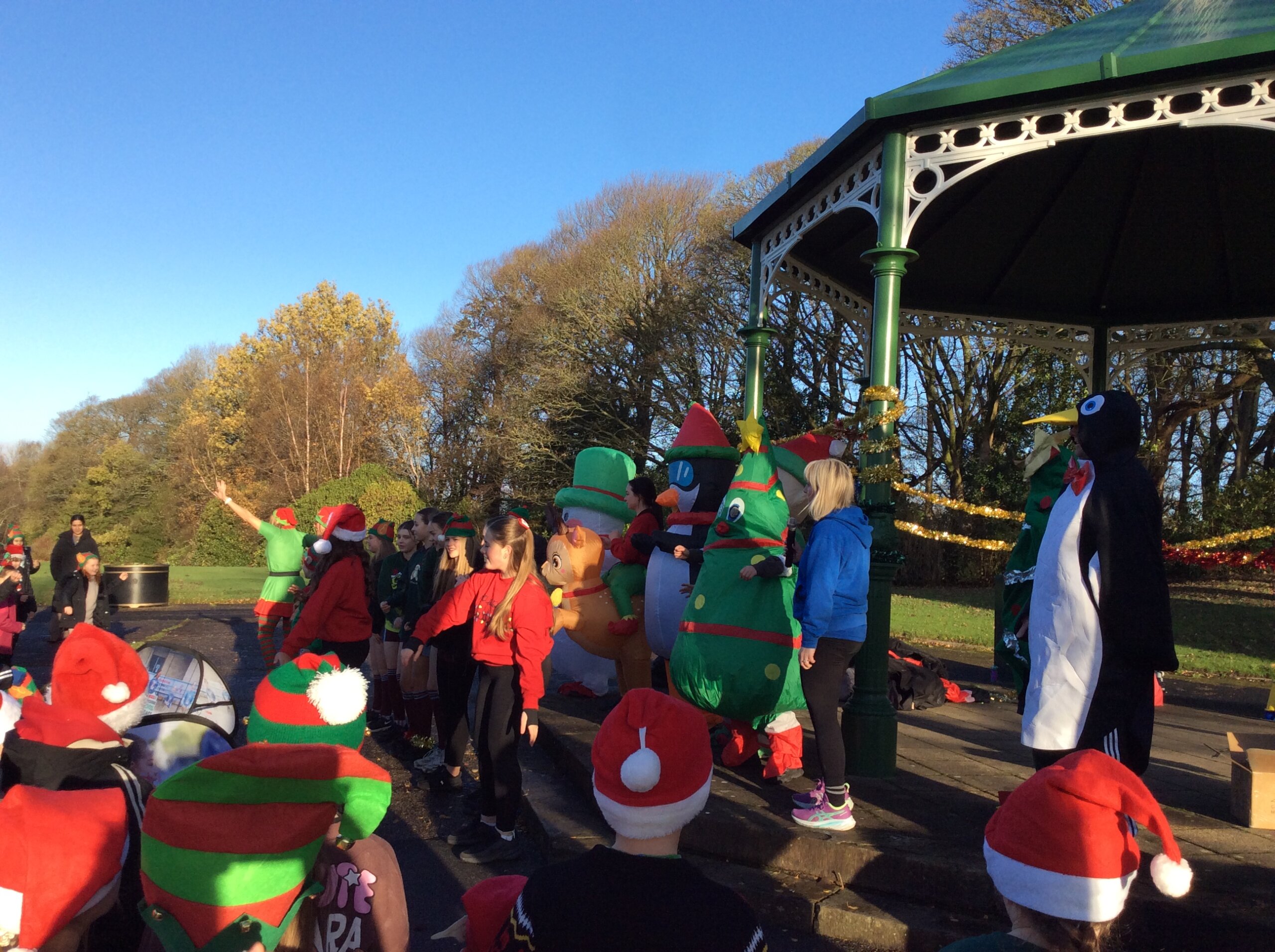
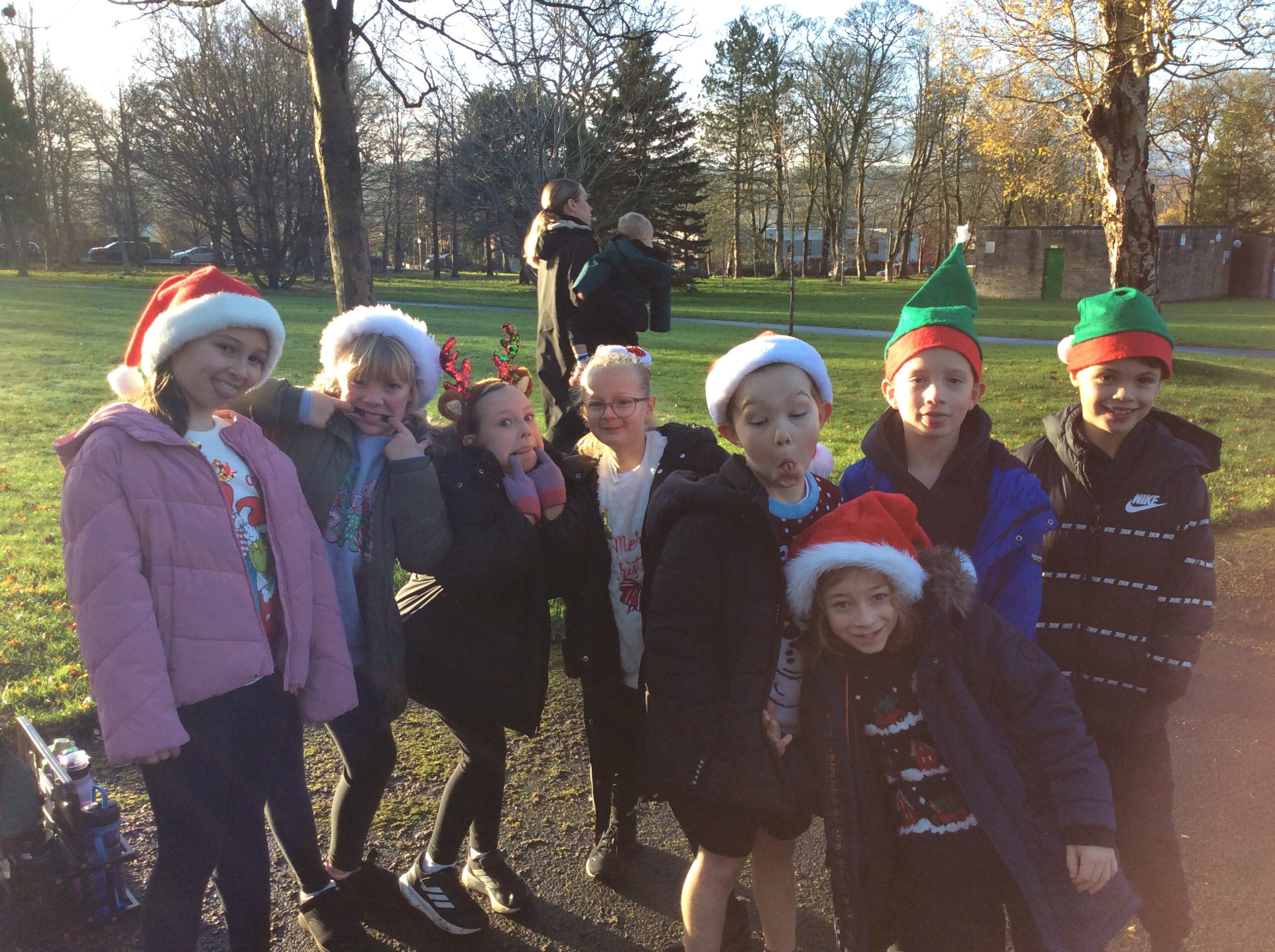
Elf Dash
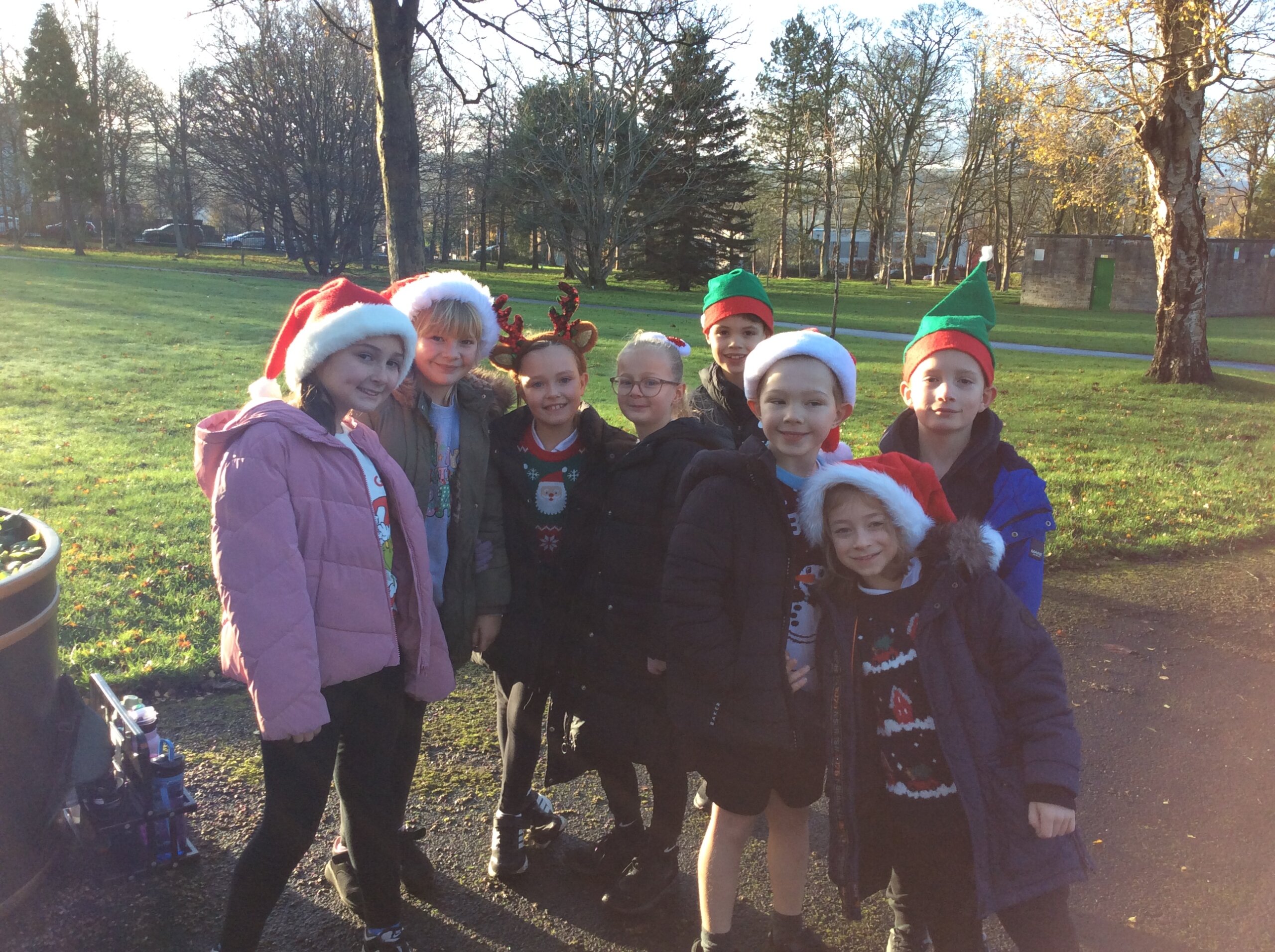
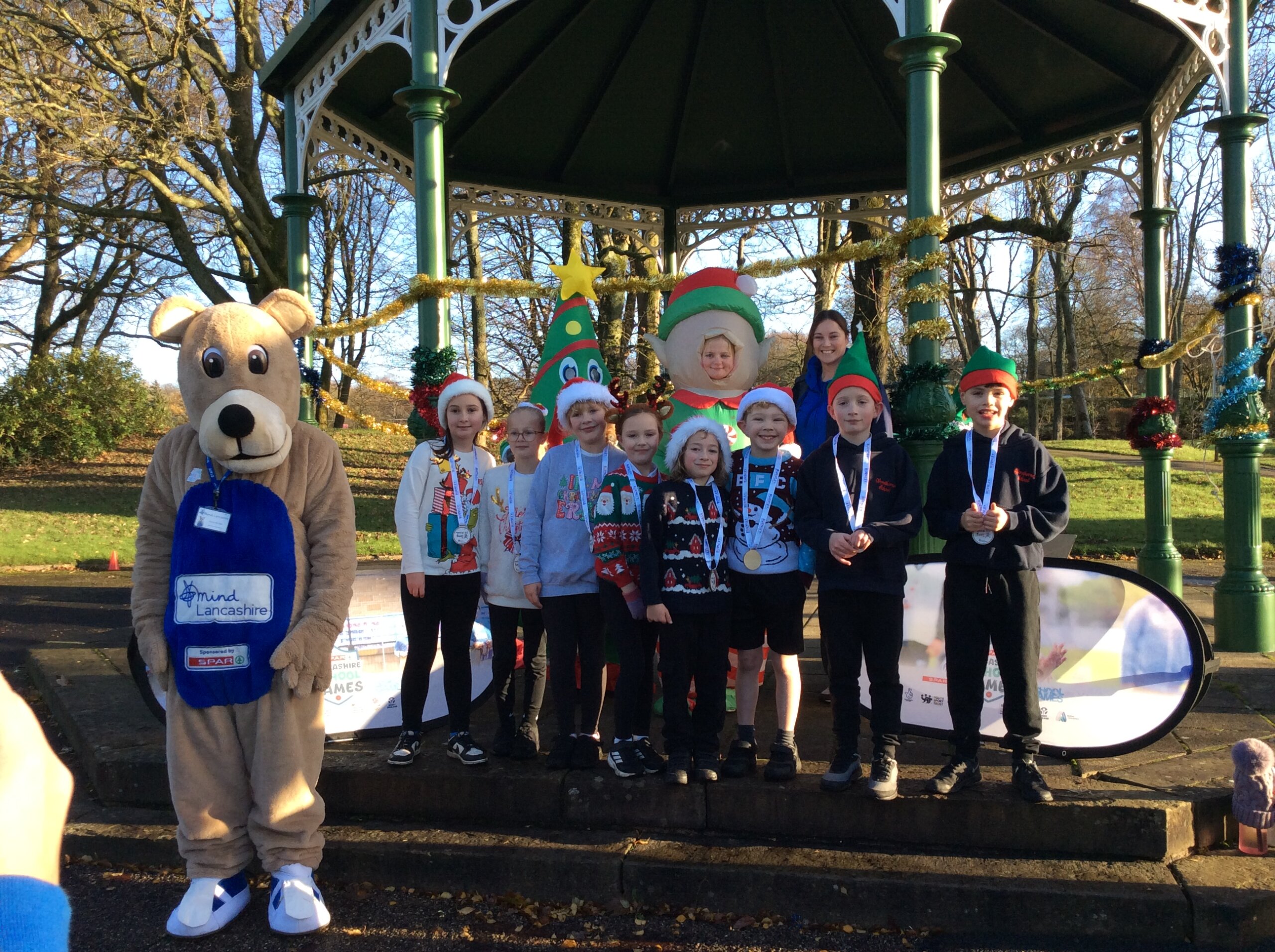
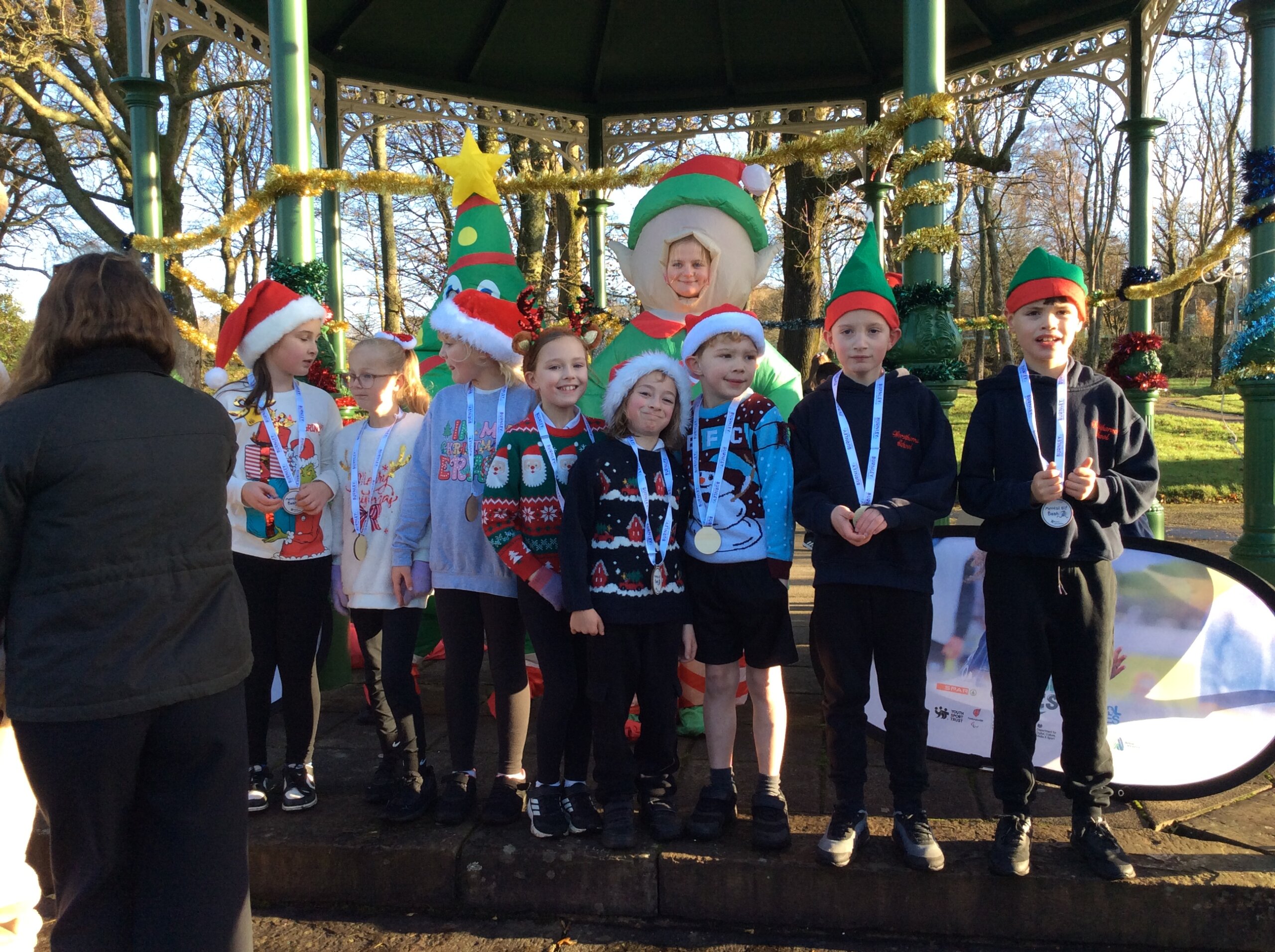
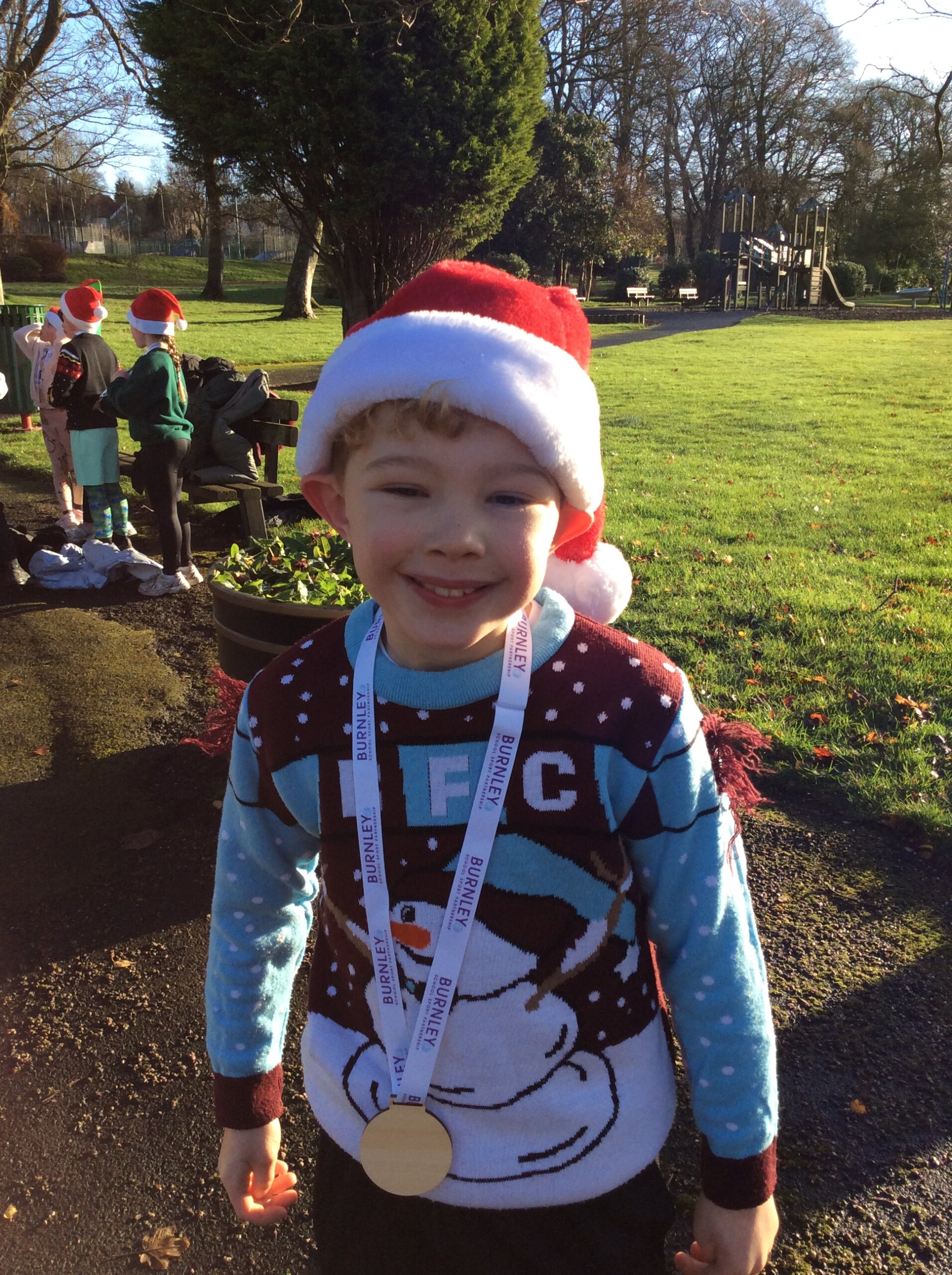
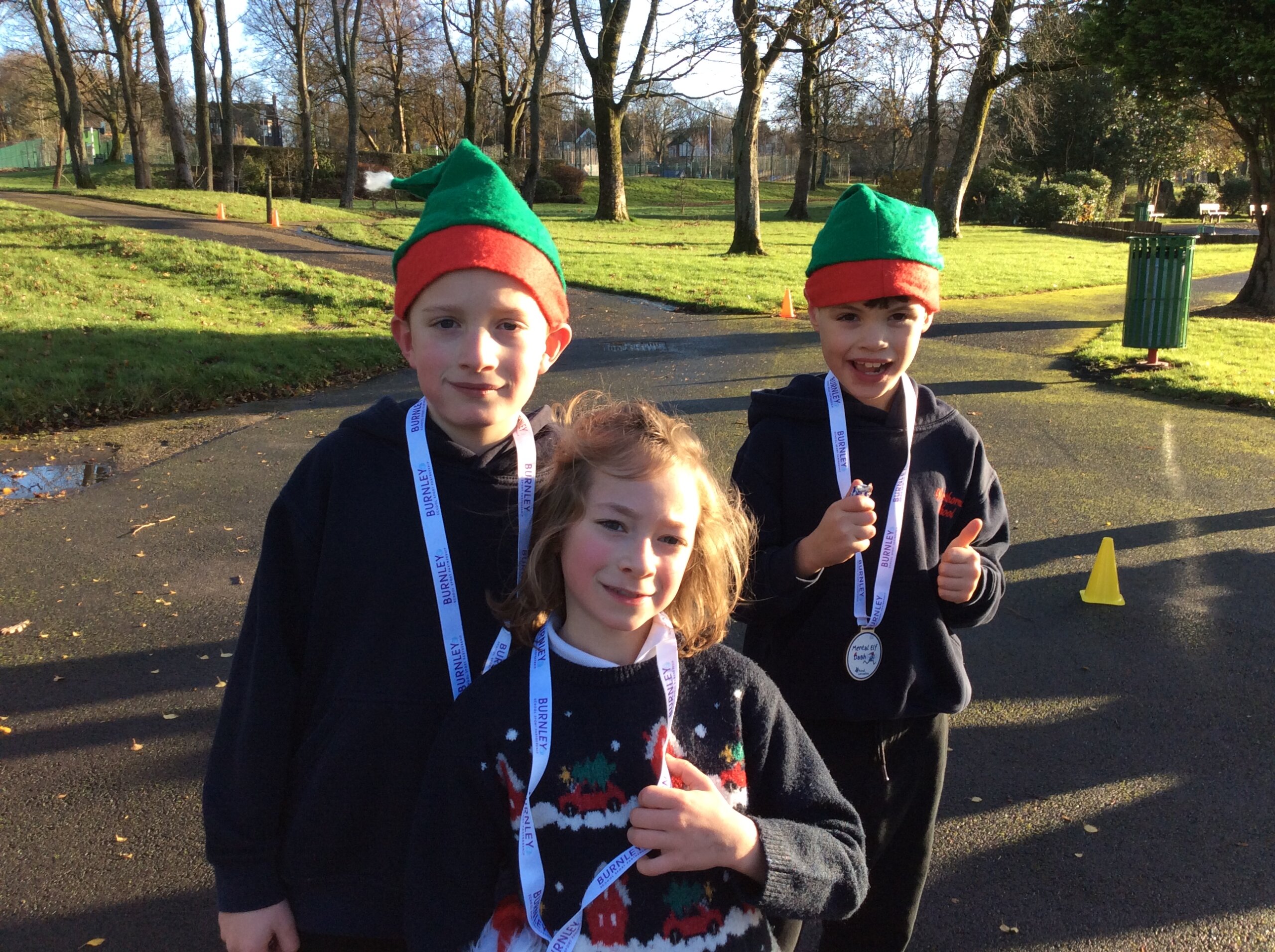
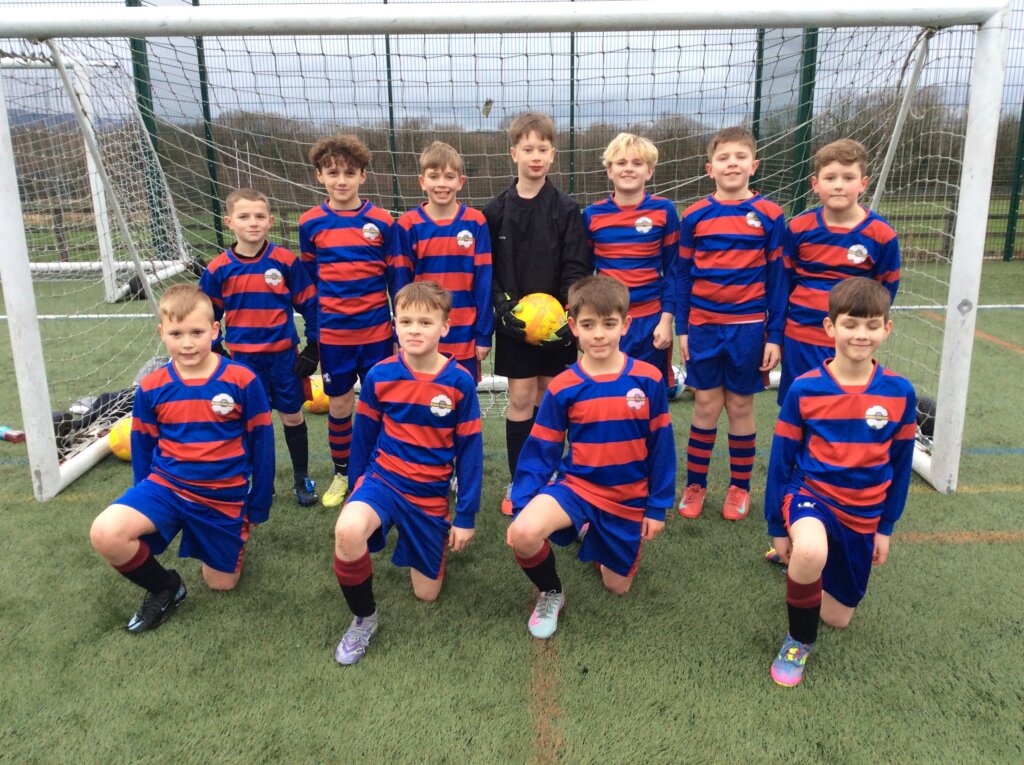
Hartley Cup – Worsthorne 9 Wellfield 1
Physical Development in the Early Years
Physical Development – Statutory Framework Programme of Study
‘Physical activity is vital in children’s all-round development, enabling them to pursue happy, healthy and active lives7. Gross and fine motor experiences develop incrementally throughout early childhood, starting with sensory explorations and the development of a child’s strength, co-ordination and positional awareness through tummy time, crawling and play movement with both objects and adults. By creating games and providing opportunities for play both indoors and outdoors, adults can support children to develop their core strength, stability, balance, spatial awareness, co-ordination and agility. Gross motor skills provide the foundation for developing healthy bodies and social and emotional well-being. Fine motor control and precision helps with hand-eye co-ordination, which is later linked to early literacy. Repeated and varied opportunities to explore and play with small world activities, puzzles, arts and crafts and the practice of using small tools, with feedback and support from adults, allow children to develop proficiency, control and confidence.’
Physical Development
ELG: Gross Motor Skills
Children at the expected level of development will:
– Negotiate space and obstacles safely, with consideration for themselves and
others;
– Demonstrate strength, balance and coordination when playing;
– Move energetically, such as running, jumping, dancing, hopping, skipping and
climbing.
ELG: Fine Motor Skills
Children at the expected level of development will:
– Hold a pencil effectively in preparation for fluent writing – using the tripod grip
in almost all cases;
– Use a range of small tools, including scissors, paint brushes and cutlery;
– Begin to show accuracy and care when drawing.